
Car Templates
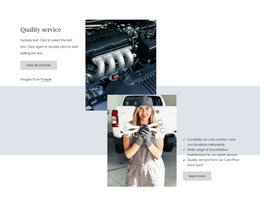
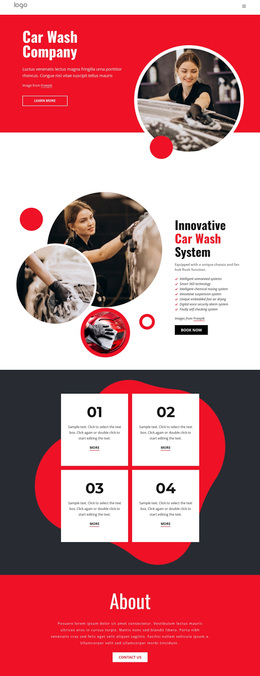
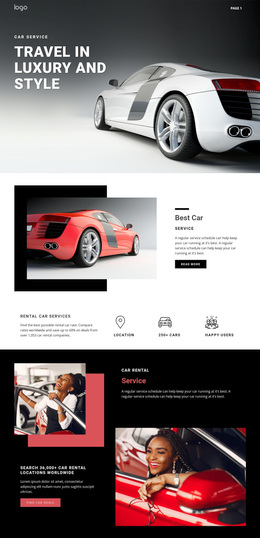
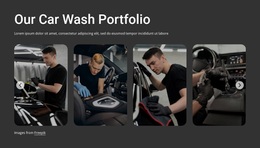
Dealers, rental fleets, workshops, and automotive specialists need different ways to present vehicles and services. This template collection helps compare layout directions, content emphasis, imagery, and customer paths before committing to one design foundation.














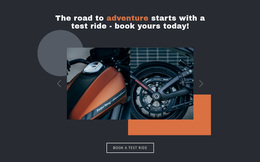
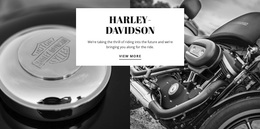
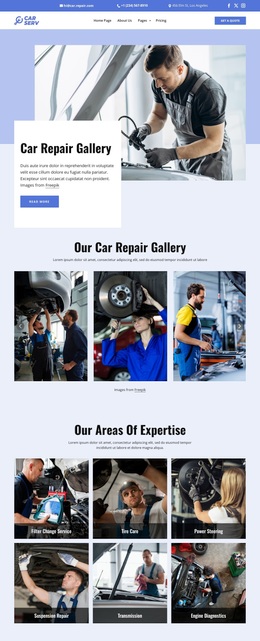

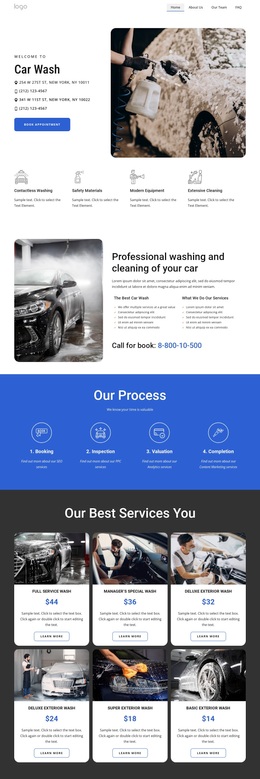



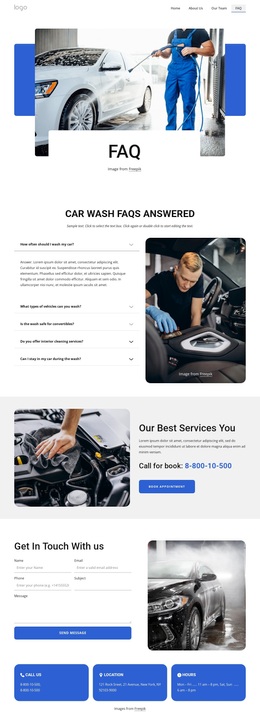
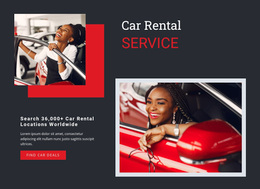
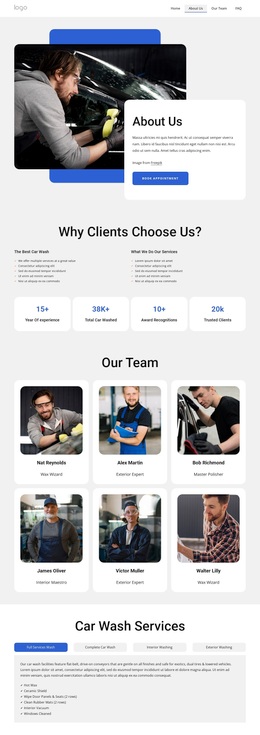
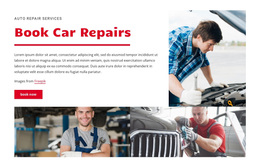













Other Cars & Transportation Templates
Flexible Car Templates for Different Automotive Projects
Before picking a layout, settle what the project actually is. A stock list that must stay legible with sixty cars in it needs a different starting point than a showroom presentation built around eight. Car templates cover several such directions, and choosing between them is a content decision long before it becomes a visual one.
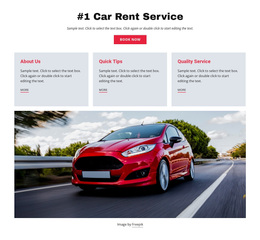
Retail, Rental, Repair, Restoration
Four automotive directions come up again and again, each pulling a template toward a different shape:
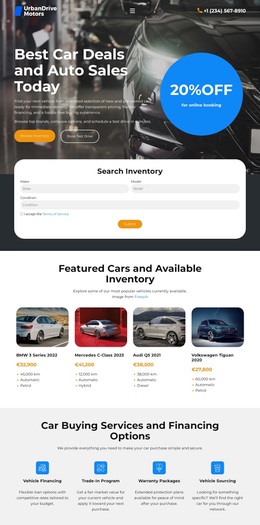
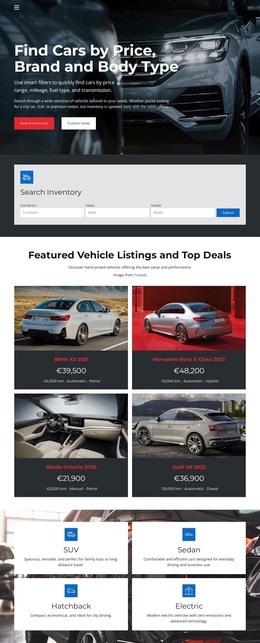
- Used-car retail leans on dense cards, with mileage, year, and price readable at a glance.
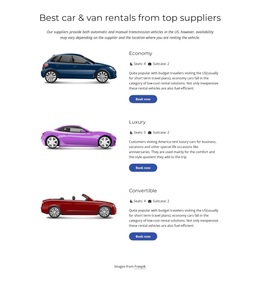
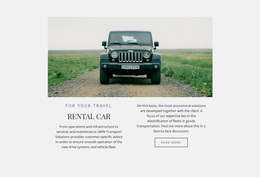
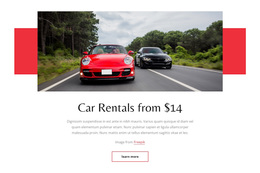
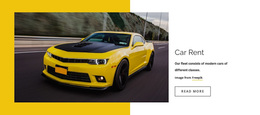
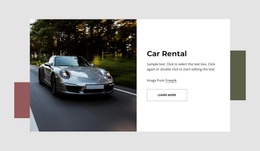
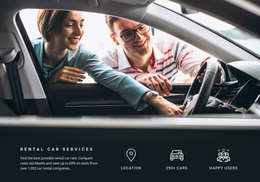
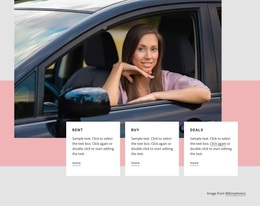
- Rental fleets put vehicle class, capacity, and the daily rate above everything else.
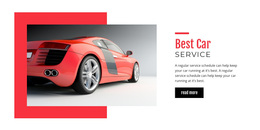
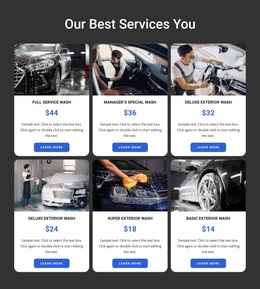
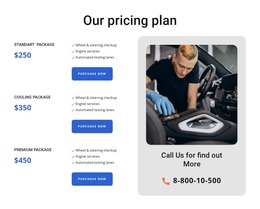
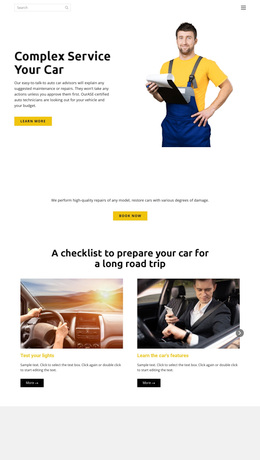
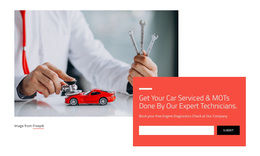
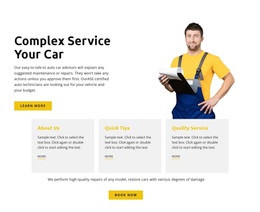
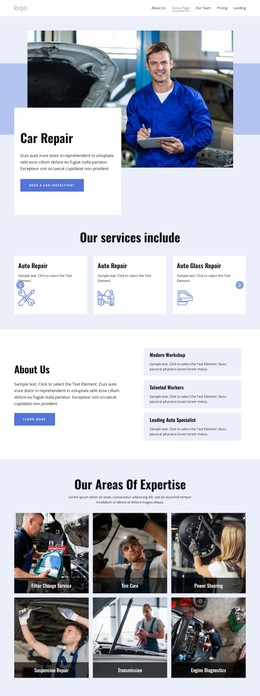
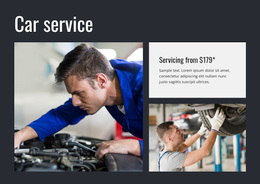
- Servicing and repair need a service list, honest prices and an obvious booking action.
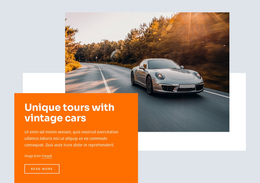
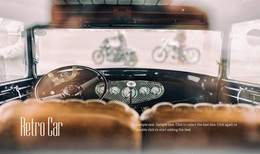
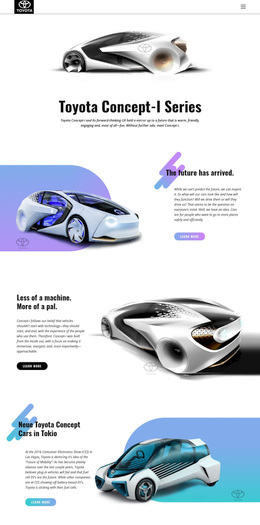
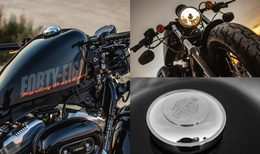
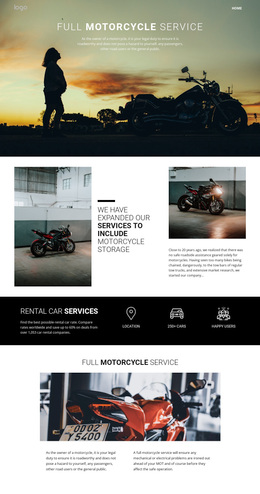
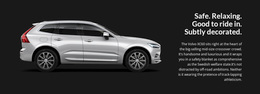
- Classics, tuning, and restoration ask for wide photography and room to build stories.
A car club or a driving school usually borrows from whichever direction sits closest and adjusts the wording as it goes.
Volume, Imagery, Detail Depth
Four signals separate two candidates faster than any preview can:
- Card density comes first, since one row of three cars suits a lot with steady turnover, while one car per row suits a specialist holding eight and a story for each.
- Imagery weight decides the next round, because a restoration workshop needs images large enough to show craftsmanship, while a rental fleet needs its rate visible without scrolling.
- Material depth follows, as a classic seller writes a history for every car, and a used-car lot needs six fields and a phone number.
- The primary action settles the rest because buying, booking a rental, and reserving a service slot are three different asks.
Update frequency belongs in the same calculation. A lot that turns over weekly wants a direction built for constant refreshing, while a showroom that changes twice a year can treat every car as a set piece.
Shortlist Two, Then Commit
Narrow the field to two candidates and load your own material into both. The stronger one usually announces itself within the hour: your longest model name fits, a grid of forty cars still reads cleanly, and the section you update weekly sits where you can reach it.
Nicepage keeps coordinated block and layout collections, so whichever direction wins can be extended later with sections that already share its typography and spacing. That counts for more than a dramatic preview, which never shows the car that arrived with three blurry photos and a one-line description.
Most buyers choose based on the mood of the preview and fix the mismatch afterward, an expensive order to work in. The right car template matches the material you have today and the amount you expect to add by next season.