
Road Website Templates
Road operators and service teams often need separate space for routes, safety information, assistance, and contacts. These website templates provide a structured multi-page base that keeps those resources easy to navigate.


















































































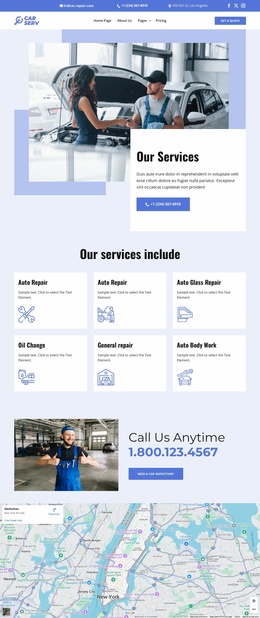


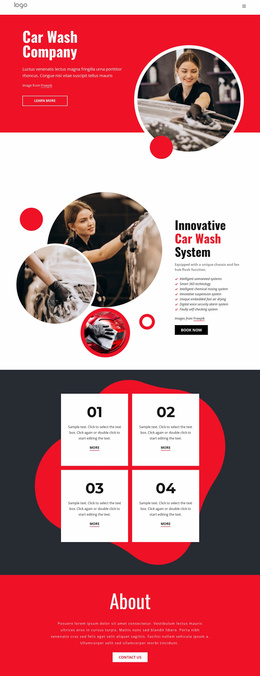



Other Cars & Transportation Website Templates
Responsive Road Website Templates for Paving Contractors and Roadside Services
People looking for road website templates usually run companies whose work happens on pavement. A paving contractor wants its driveway jobs in front of homeowners, while a highway resurfacing firm has to look credible to public agencies. A towing company mostly needs its phone number seen fast. A road website template gives each of them a ready design that can grow into a complete site, with one menu tying the pages together.
Pages Every Road Contractor Relies On
Most road businesses need the same core pages. Home and Services make the sales pitch, and Projects supplies the proof. About, Service Areas, and Contact answer what people ask before calling. Before comparing designs, sketch what the busiest pages will hold:
- a services page that gives asphalt paving, resurfacing, and drainage repair separate sections;
- a portfolio where each finished job shows its location, scope, and completion date;
- a service area page naming the towns, counties, or highway corridors your crews cover;
- an about page with equipment, certifications, and the safety record public clients check early.
New jobs and service areas keep arriving. Nicepage's Dashboard manages the site and its pages in one place, so a finished interchange or a newly served county becomes another page in the same design.
Getting Visitors From Service to Quote
Commercial clients rarely call after reading one page. A property manager comparing paving bids opens the matching service and looks for similar projects nearby. Once they see the company works in their town, the quote form comes next. Templates that link project cards to their service and keep a quote button in every header make that path short.
Portfolios need the most discipline, since one busy season can add dozens of finished jobs. Instead of treating every project card as a one-off layout, keep the photo, location, scope, and completion date together as a reusable content unit. Nicepage's Group Elements documentation explains how several elements can be combined and moved as one group, which is useful when project details need to stay together while cards are rearranged or duplicated across a contractor portfolio.
Which Setup Suits Your Business Model
The business model decides how deep the site should go. A residential paving crew does fine with a homepage, a gallery of finished driveways, and a quote form. A civil contractor chasing public bids needs separate pages for highway construction, bridge work, and drainage. Maintenance crews handling crack sealing and line striping fall somewhere in between.
Towing and roadside assistance companies sit at the other extreme. Someone stuck on a highway shoulder will not browse a portfolio, so the phone number and coverage area belong at the top of every page.
A template whose page set already matches how your company wins work needs far less rearranging once real content goes in.