
Sea CSS Templates
Image-heavy sea websites must keep route cards, dive offers, vessel details, and ocean photography readable across screens. CSS-focused templates provide a visual base for responsive grids, spacing, typography, and targeted style rules.


























Other Nature CSS Templates
Simple Sea CSS Templates
Colors, spacing, and type set the mood of a sea layout long before anyone reads a trip description. Sea CSS templates arrive with those decisions made, including a palette that works against blue water and a spacing scale that keeps photo-heavy sections from feeling cramped. Most of the work comes down to adjusting these rules, and every matching component picks up the change.
Ready Styles Around Vessel Cards
A lot of sea content ends up in cards, and a good template styles them around the actual details:
- vessel cards, where capacity, route, and trip length need compact type that still reads at a glance;
- dive site cards with level badges, so beginner and advanced dives look different before anyone clicks;
- tour tiles whose buttons show clear hover and focus states next to the price;
- gallery captions that stay legible under dark underwater shots and bright coastline photos alike.
Because cards of the same kind share classes and spacing rules, changing a corner radius or a badge color updates all of them. State colors deserve an early look, because a "Fully booked" badge in the same cheerful turquoise as "Available" sends a mixed message.
Water Photography and Breakpoints
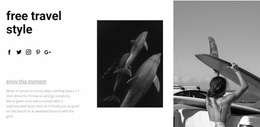
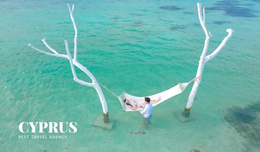
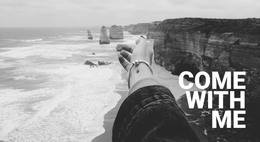
Sea imagery is harder on text than most photos. Sunlit water throws bright highlights across a hero, the sky above a sailboat often turns almost white, and underwater scenes go dark and blue. Overlay opacity, text shadow, and font weight decide whether a headline stays readable on top of them. A demo using both bright and dark marine images shows early whether the overlays hold up.
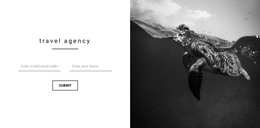
Crops need the same care. A boat against the horizon calls for a wide frame, while a turtle or a coral close-up looks better in a squarer frame. On smaller screens, a trip grid has to drop columns, and the gaps, card widths, and type sizes should shrink accordingly.
Custom Rules When Defaults Fall Short
Visual controls handle most adjustments, but sea projects tend to collect small exceptions. Last-minute charter offers might call for a separate badge state. Underwater gallery captions sometimes need wider spacing, and a route label laid over a busy photo can need stronger contrast.
Nicepage documents Custom CSS at element, page, and site level. A rule for one dive card belongs at element level, a seafood specials page can get its own page-level styles, and the main accent color is a site-level choice. When most cards, badges, and captions already look right in the demo, the custom layer stays small and easy to maintain.