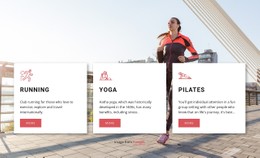
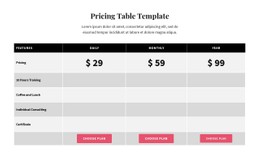
360 Medicine & Science CSS Templates
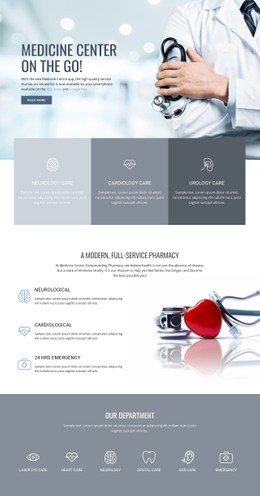

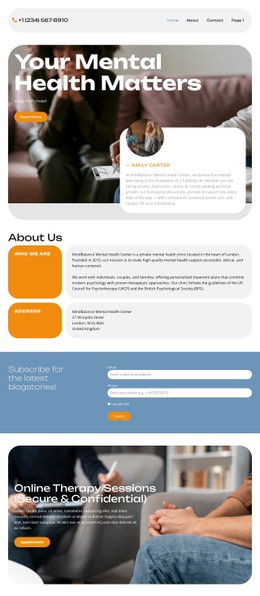
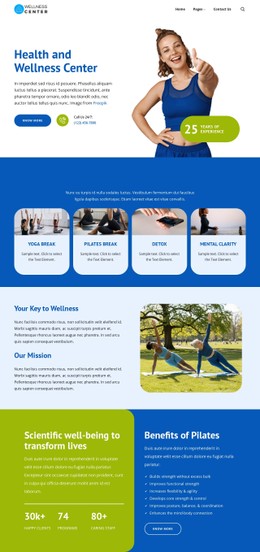



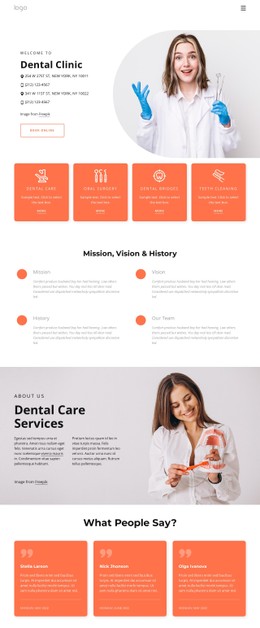
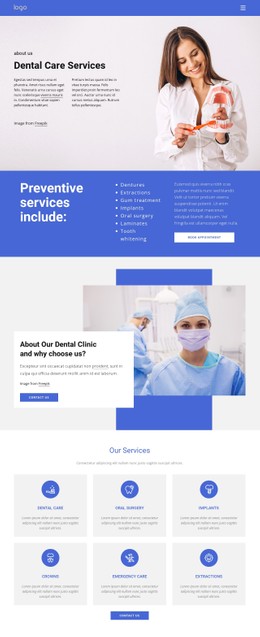

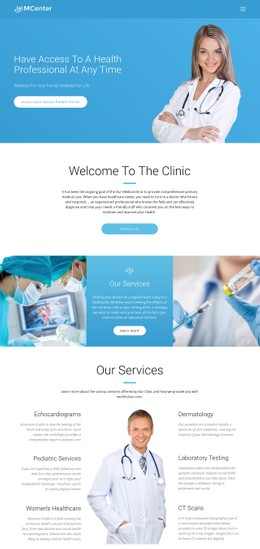
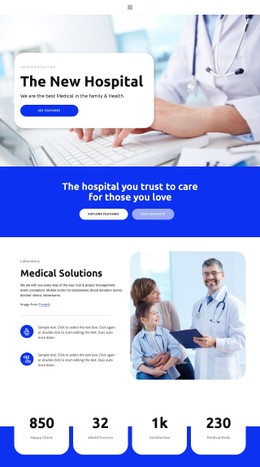
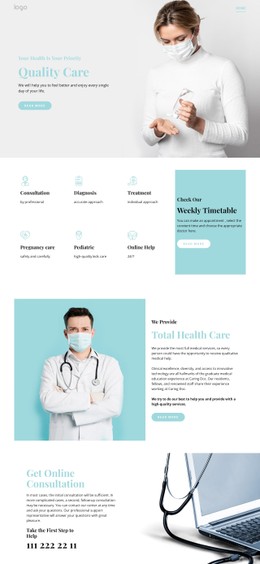
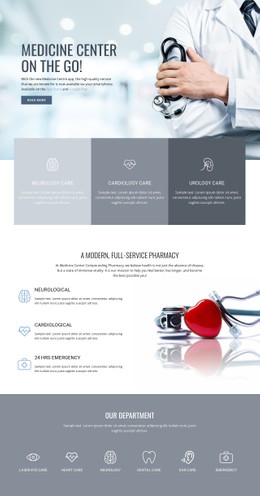
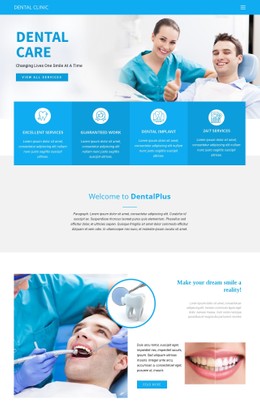

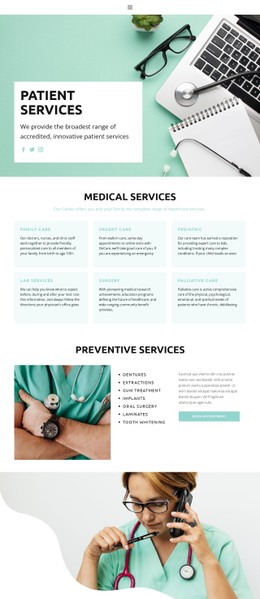
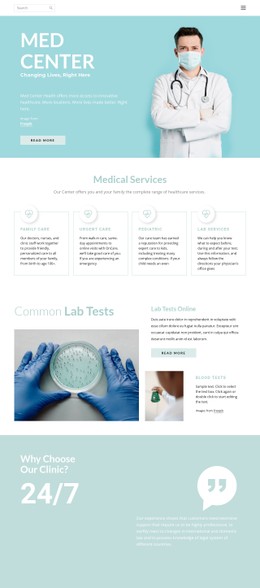


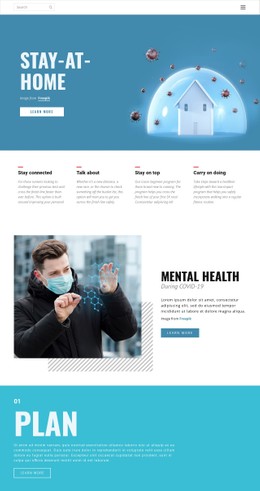


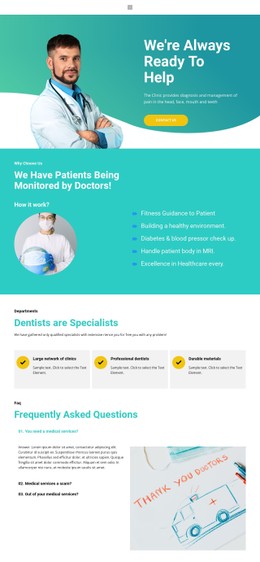



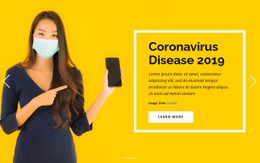









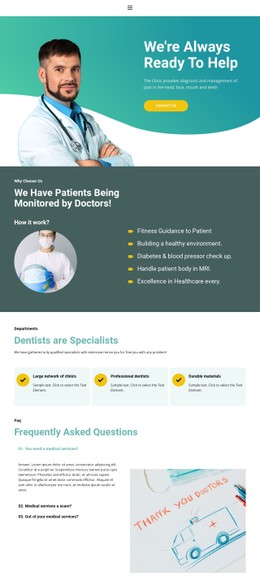
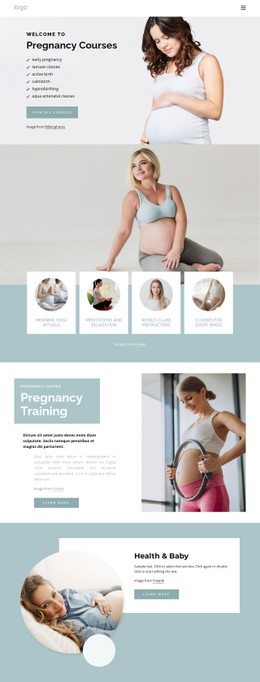

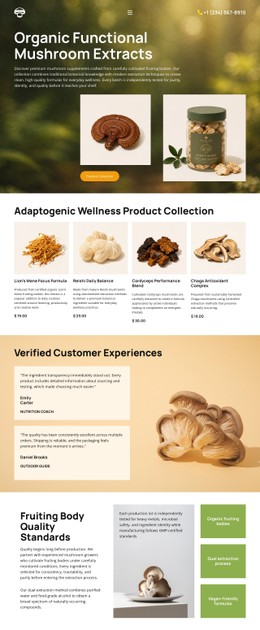




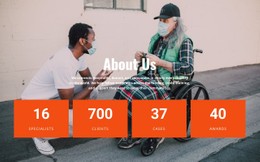




















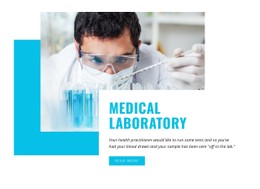










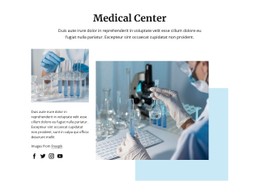

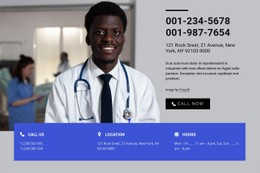









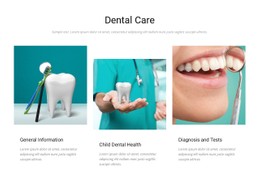


Flexible Medicine & Science CSS Templates
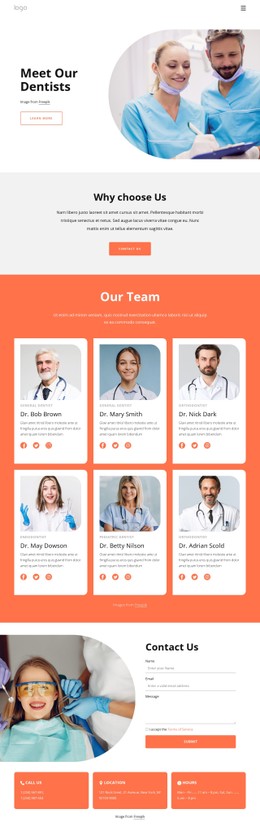
For clinic teams, patient editors, pharmaceutical practices, and scientific groups, medicine & science CSS templates offer a controlled way to keep visual rules consistent across services, medicine information, research notes, and contact sections. A shared design system supports clear brand presentation without identical page compositions.
How to Create a Creative Medicine & Science CSS Site?
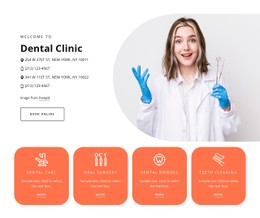
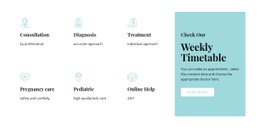
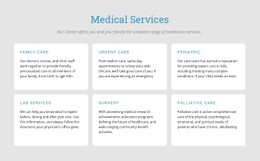
Clinics: establish readable service cards and clear patient routes. Prescription medicine pages: separate product or dosage information from supporting content. Research teams: a science CSS site can use a stable grid, responsive behavior, and shared color rules to keep dense scientific material easy to scan.
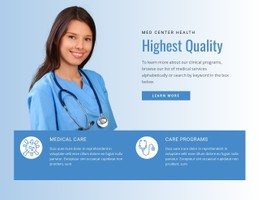
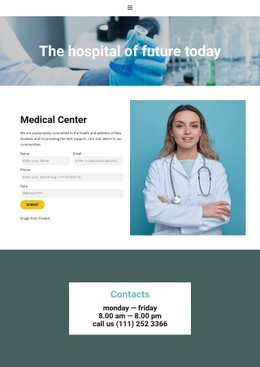
A medical CSS template should make hierarchy obvious. Clinic website ideas can help define how departments, treatment areas, specialists, and contact information need to differ visually.
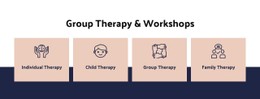
Nicepage Grid elements organize content into rows and columns and adapt cells for smaller screens. The Grid Element suits treatment cards, patient resources, or laboratory topics that need a clear structural layout.
High-performance CSS Features for Clinical and Science Pages
Theme Colors: set a shared palette across the project; the Site Colors settings apply the selected Color Scheme across site pages. Grid Element: structure services, medicine categories, or research content in responsive cells. Responsive Modes: refine layout behavior for desktop, laptop, tablet, and phone views.
Export Minimal CSS Per Page: output a page-specific CSS file with only the styles required for that page when enabled. Custom CSS: add targeted rules at element, page, or site level when the visual controls do not cover a specific requirement. Font Scheme: keep heading and body typography coordinated.
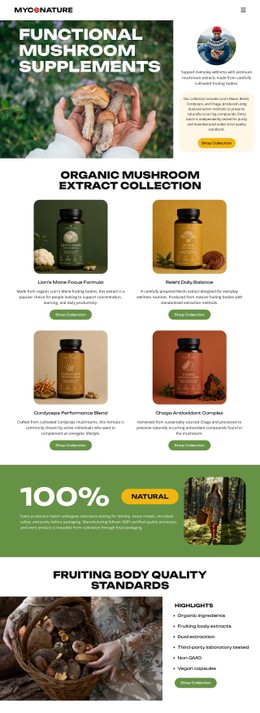
For a prescription-focused medical CSS template, prescription medicine website concepts can guide how product information and precautions fit the visual system. On a science CSS site, Flexbox/Grid layouts, spacing, color, type scale, and responsive design should support comprehension. After export, review the final output against W3C standards.
Patient website ideas can help frame educational content and care routes before custom CSS rules refine the presentation. This keeps visual styling flexible while the content remains editable in the Nicepage visual design canvas.
Customizable Medicine & Science CSS Questions
Can a clinic turn an image into a full-width background without custom CSS?
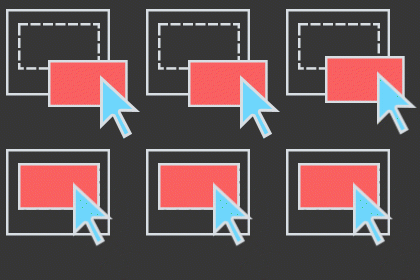
Yes. The Expand Image feature can turn an image into a background with a single action and return it to a standard image element.
How can I keep a footer at the bottom of a short medical page?
Use the Stick Footer Down option when the page does not have enough content to naturally push the Footer to the bottom.
Do I need a developer to adjust the design of a medicine and science website?
For most projects, Nicepage lets you create advanced layouts and effects without coding. Developer help is mainly relevant for complex non-standard logic or individual requirements.
Can I add a CSS rule for one unusual patient or medicine section?
Yes. Nicepage supports Custom CSS for an individual element, a page, or the whole website, so a targeted rule can extend the visual controls when required.
Mobile-friendly CSS Workflow for Medicine & Science
Choose a clinical or scientific design direction, open it in the Online Builder or Desktop App, and shape the page with the visual page editor. Refine grids, colors, typography, responsive views, and only the custom rules the project needs. Start for free, review the visual system across devices, then publish online or export the appropriate website output.