
Desert CSS Templates
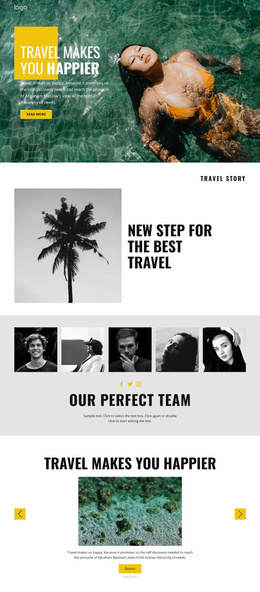
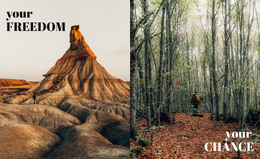
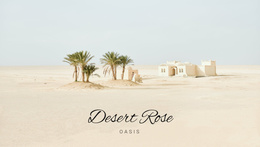
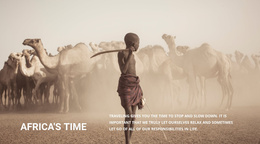
Wide landscapes, image overlays, tour cards, and route details need predictable styling as desert pages change across devices. CSS templates focus on the presentation layer, from reusable spacing and grid rules to breakpoints and page-specific refinements.
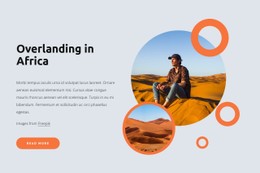
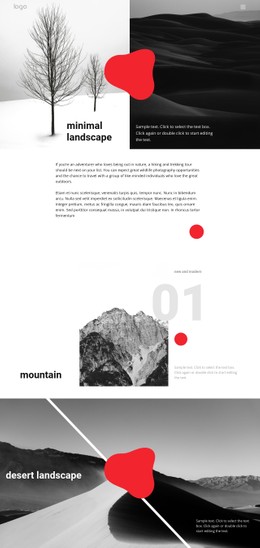

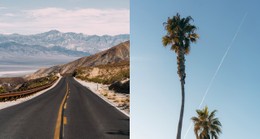
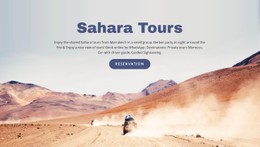
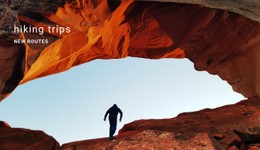

More Website & HTML Templates for Desert
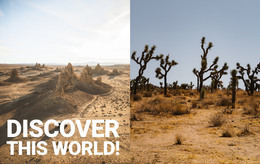

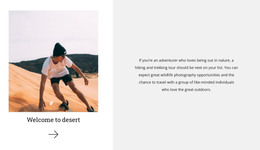


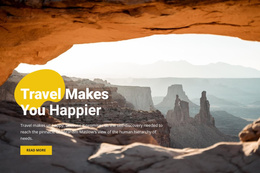

More CSS Templates from Nature Category






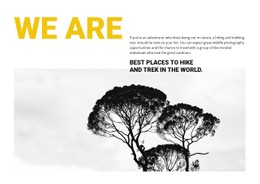
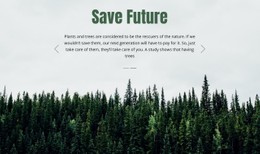


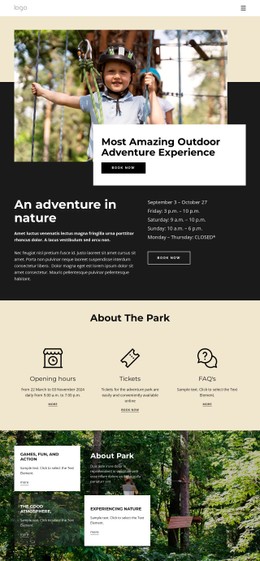
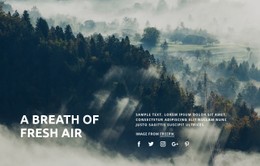



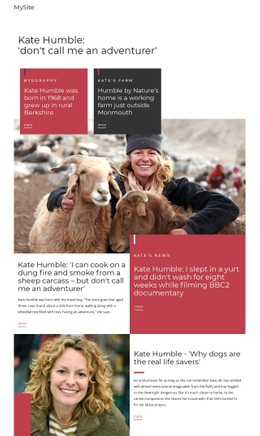
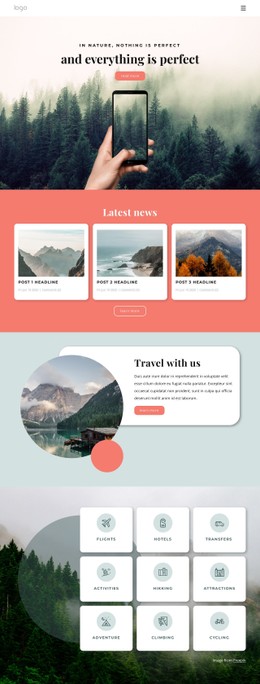

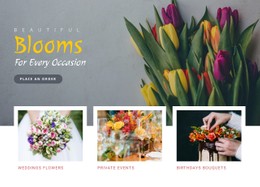
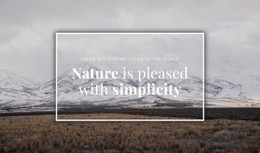
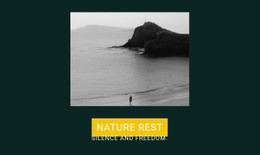

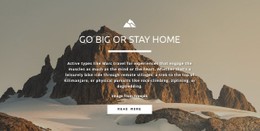


Other Nature CSS Templates
Modifiable Desert CSS Templates
A desert CSS template arrives as a finished design, with the colors, typography, and spacing already set, so the remaining work is fitting it to your own photographs and trip names. The demo blocks are the real deliverable: a hero, a card row, and a gallery that already work together. Most of what you judge is how they behave once real desert material goes in, because sunlit panoramas and short trip titles put pressure on different parts of a layout.
Where Bright Landscapes Break Layouts
Desert photography is bright, wide, and full of texture. Check a demo against these three moments:
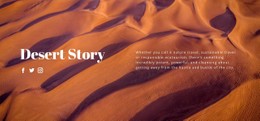
- hero text over a sunlit dune, where the heading needs an overlay or a panel to stay readable
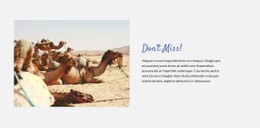
- a gallery grid, where photos of different proportions should crop predictably instead of stretching
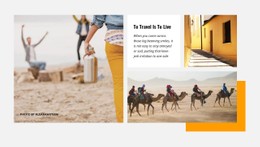
- a row of tour cards, where one long trip name should not make a card taller than its neighbors
Those moments cover most desert projects, since a site like this is mostly photographs with short text overlaid. Responsive behavior belongs in the same check. Four tour cards that become two on a tablet and one on a phone should keep their captions and buttons intact, without a trip name wrapping into four lines.
What You Can Change Yourself
Before committing, look at how much of the look is adjustable in one place:
- palette and type styles, applied across the whole site at once
- header and footer, which set the tone of everything below them
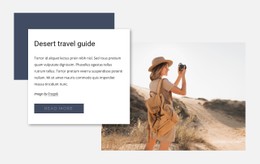
- card and gallery blocks, where image ratio and spacing decide the rhythm
- hover states and buttons, the smallest part that still signals quality
A template that keeps these under global controls survives a rebrand. One that pins them to individual pages turns a color change into a long hunt. Accent color deserves separate attention here, since desert designs run on warm neutrals and a button in the same sand tone as its background disappears the moment a photograph sits behind it.
Small Overrides Without Rebuilding
Occasionally, one component needs something the template never planned for, a darker caption strip under sunset photos or a wider gap between camp blocks. Nicepage covers those cases with Custom CSS, which applies at the element, page, or site level, so a single exception leaves the rest of the design alone.
A desert template earns its place when bright photographs remain readable, cards maintain the same height even with trip names of different lengths, and everything collapses into one clean column on a phone.