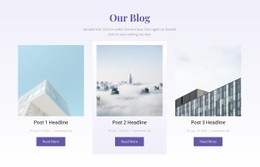
480 Food & Restaurant CSS Templates
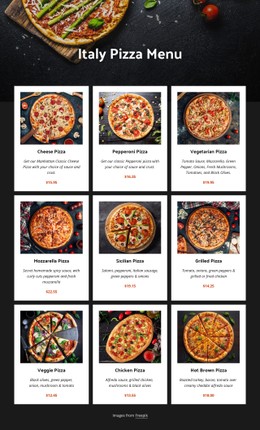
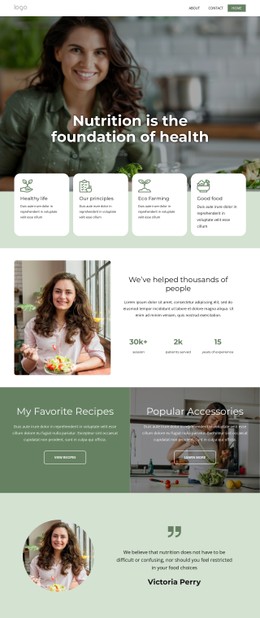
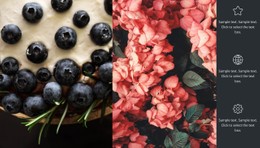
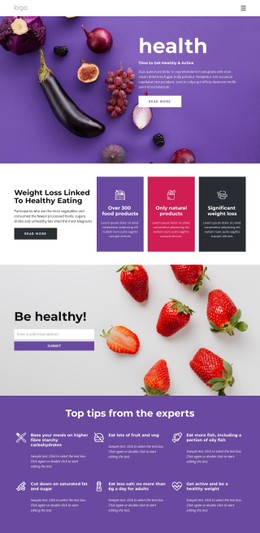
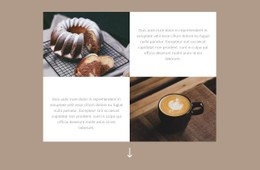
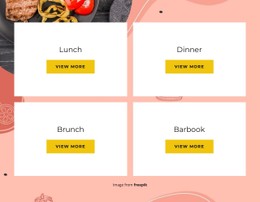

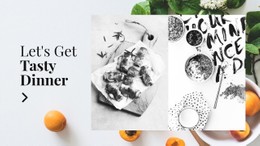
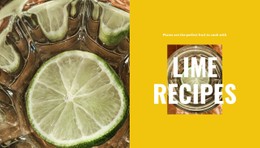
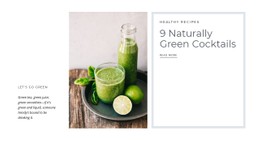
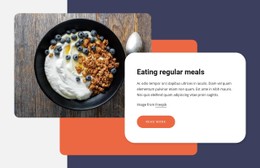
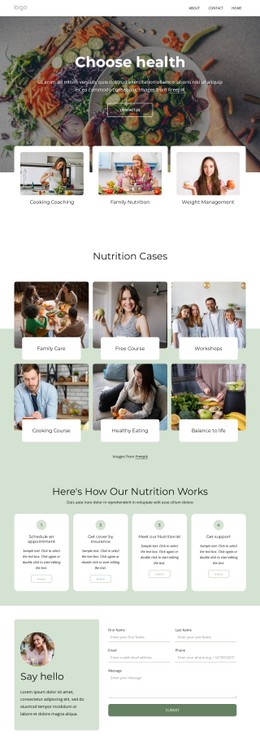

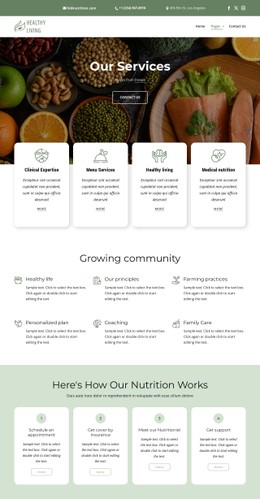
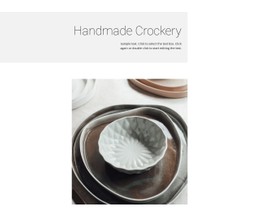

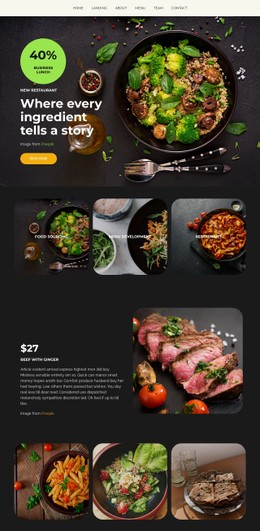

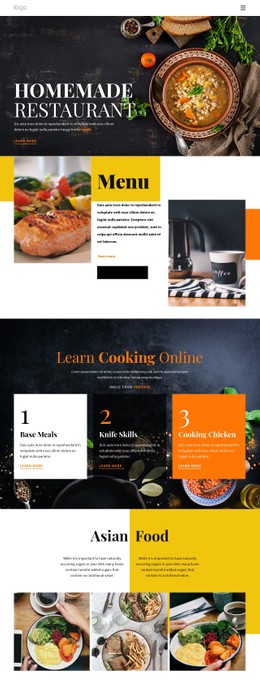
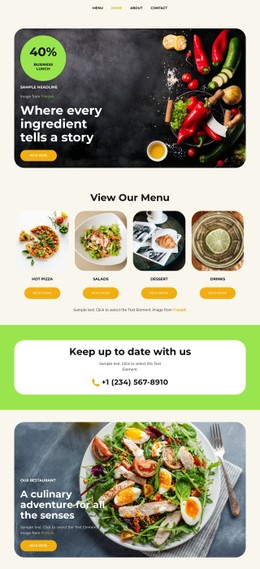
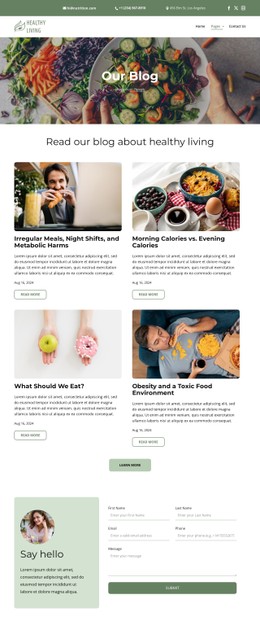
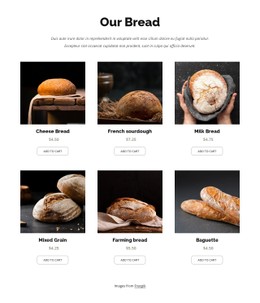
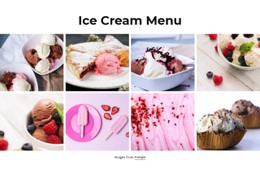
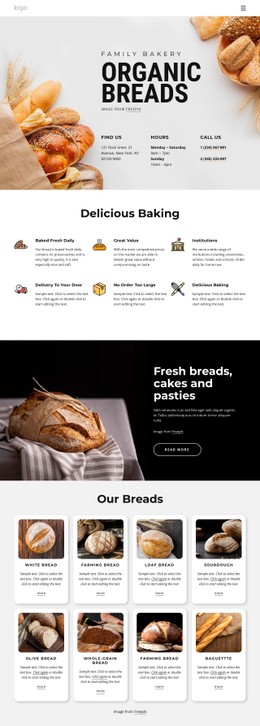
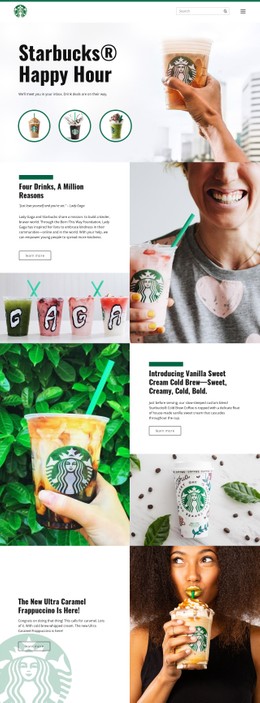
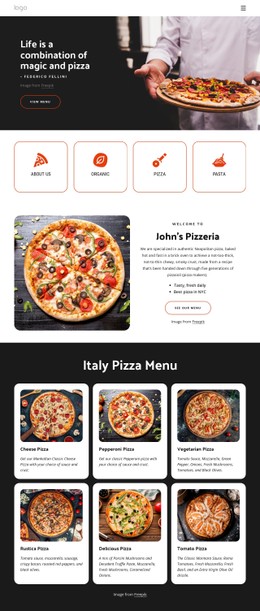
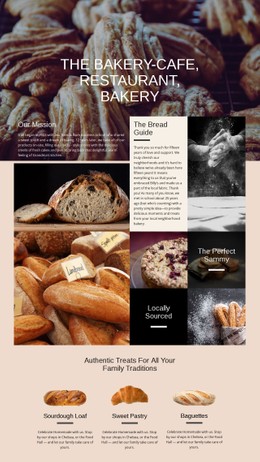
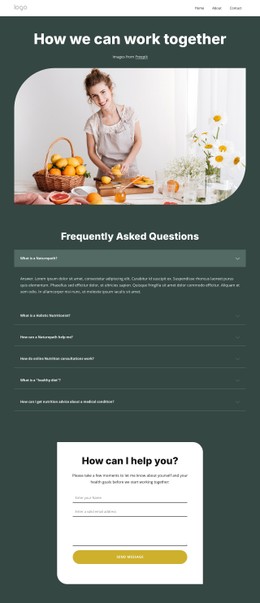
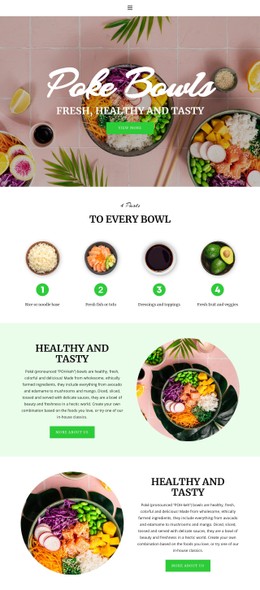
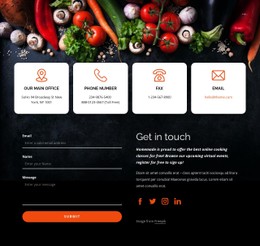
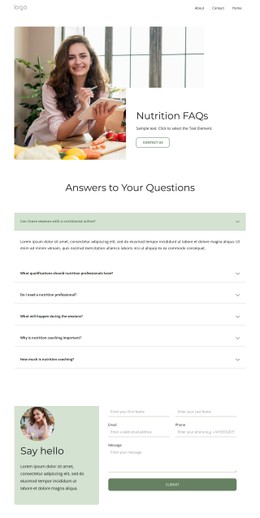
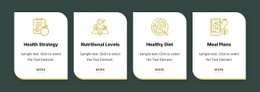
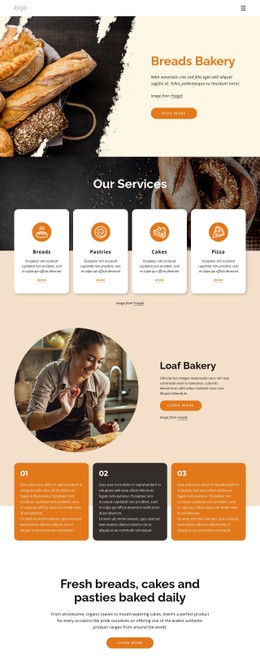
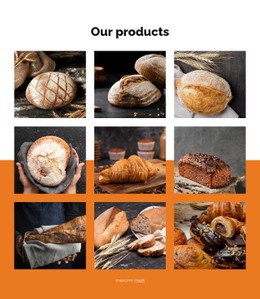
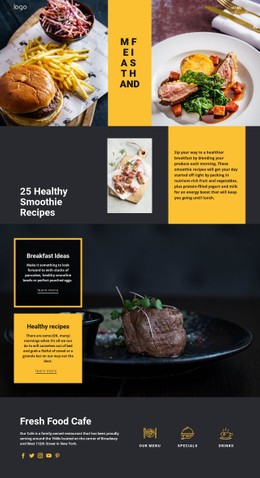
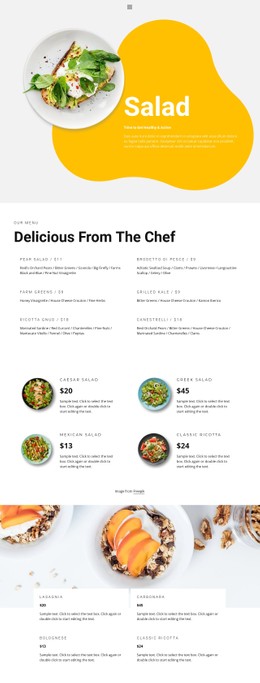
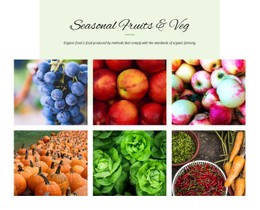
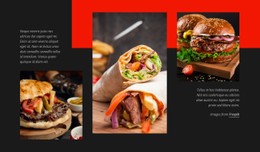
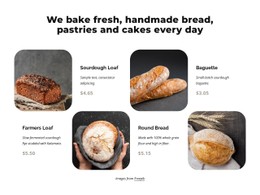
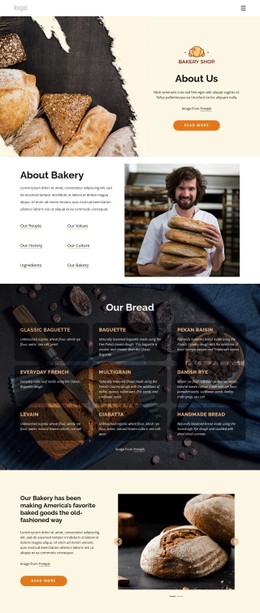
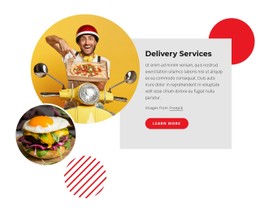
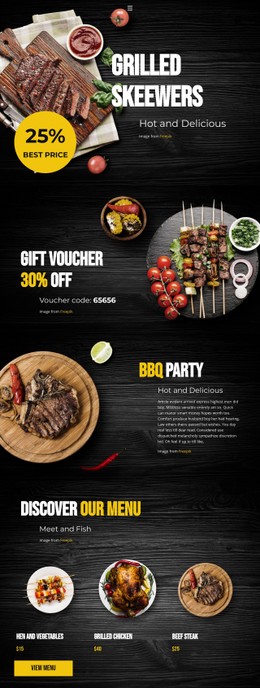
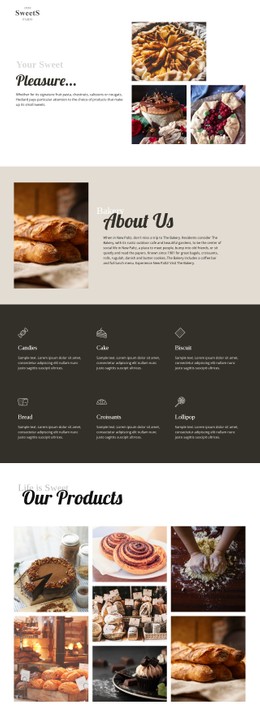
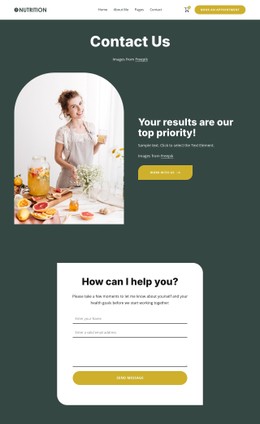
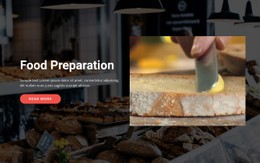
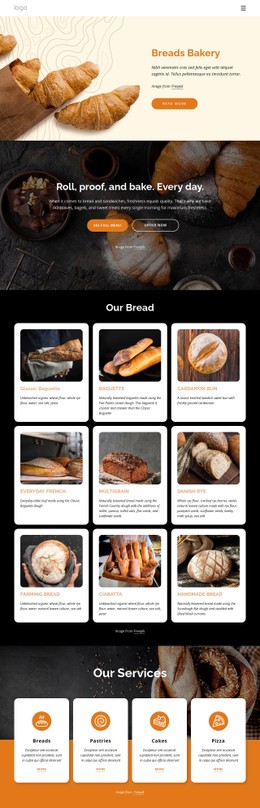

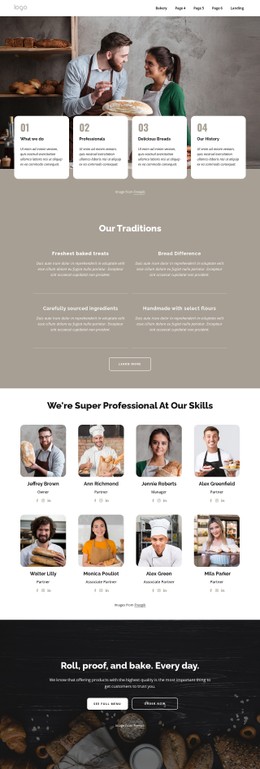
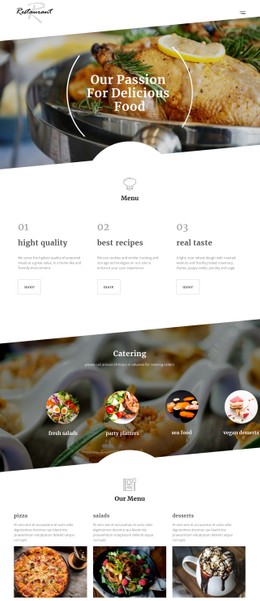
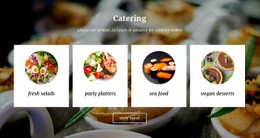
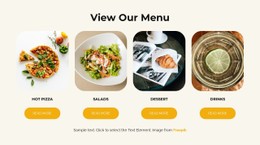
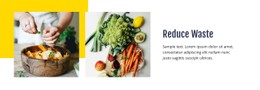
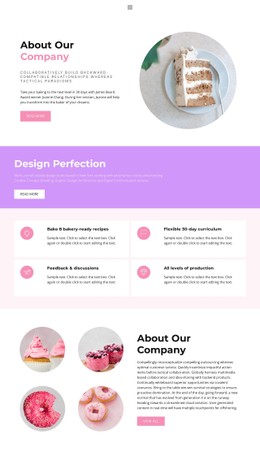
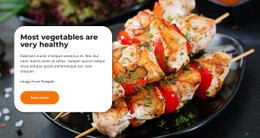
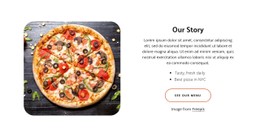
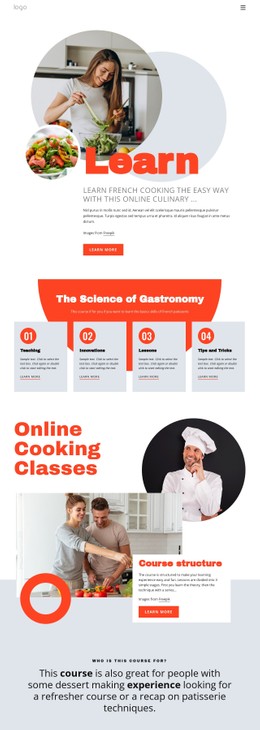
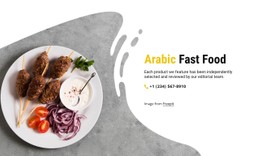

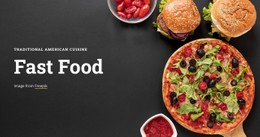
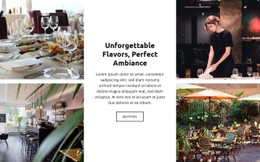


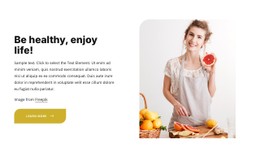
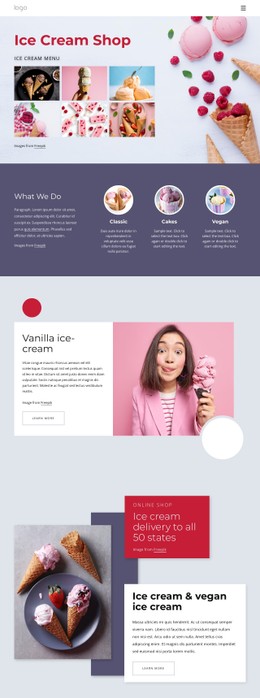
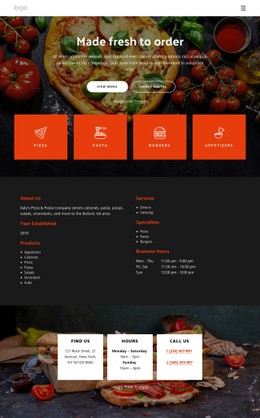
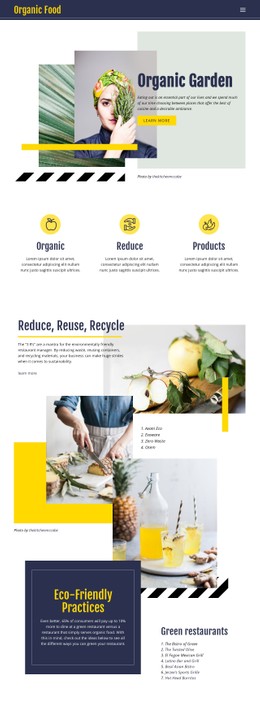
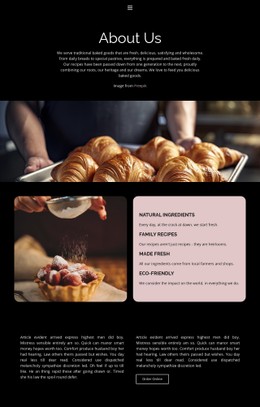
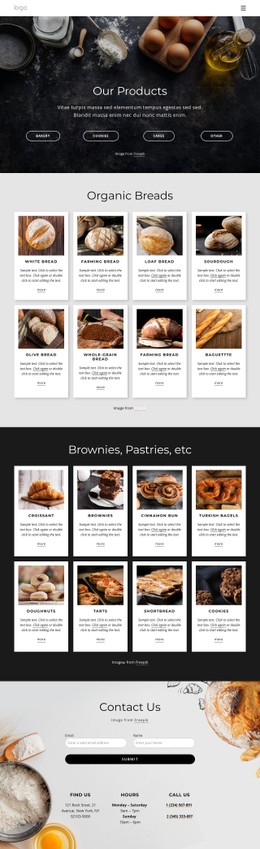
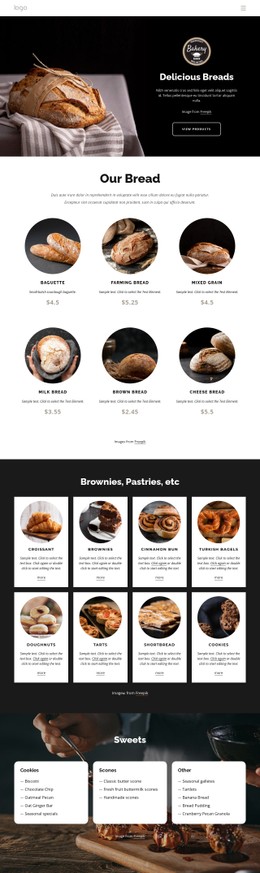
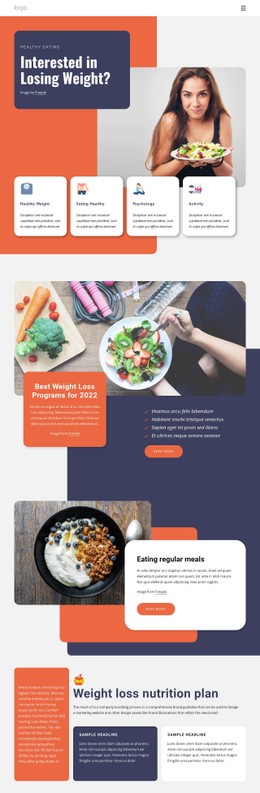
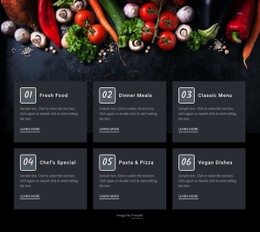
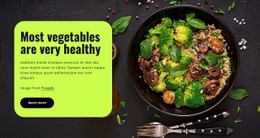
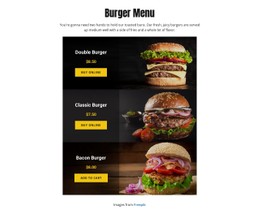
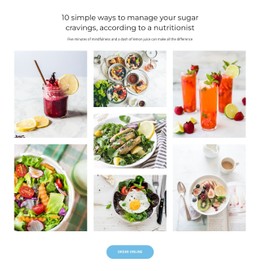
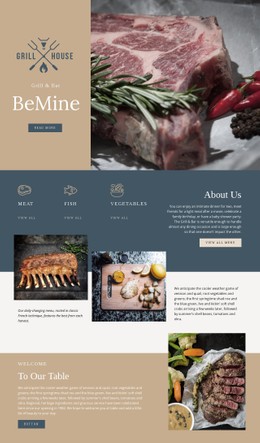
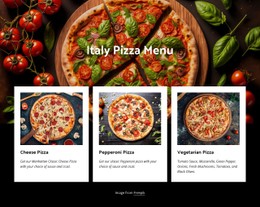
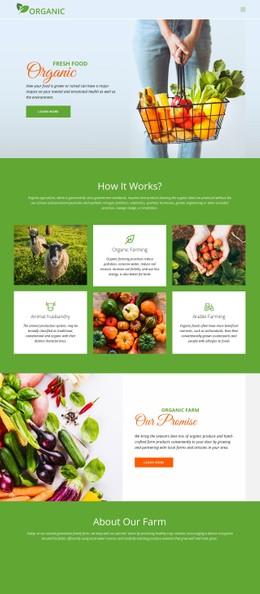
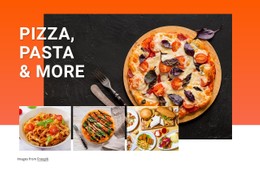
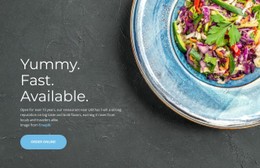
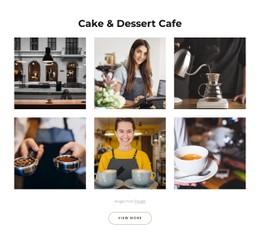
Customizable Food & Restaurant CSS Templates
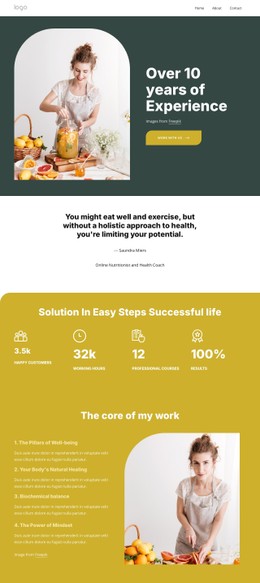
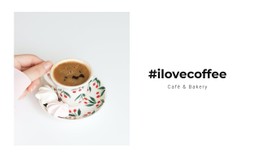
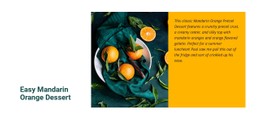
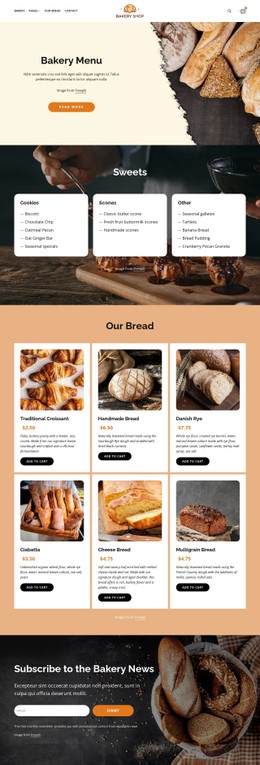
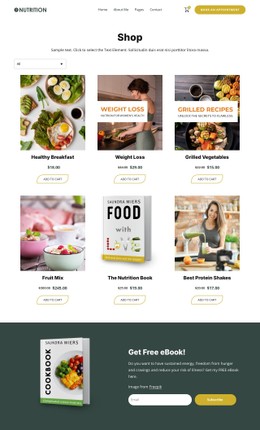
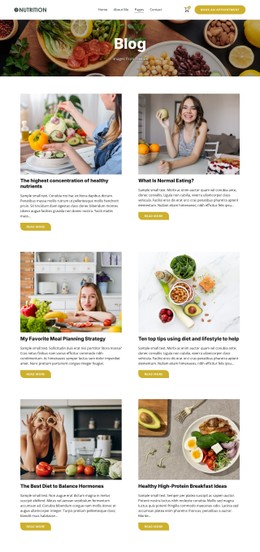
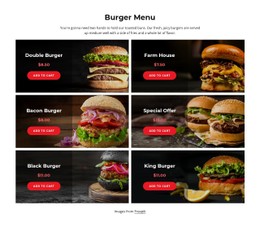
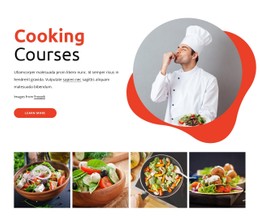
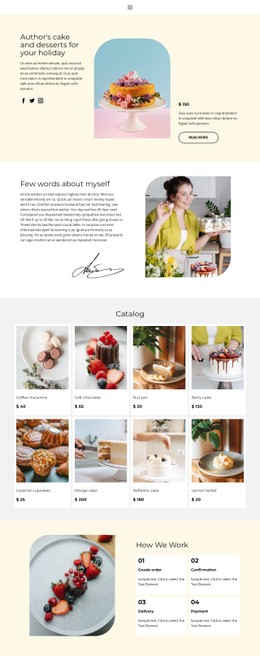
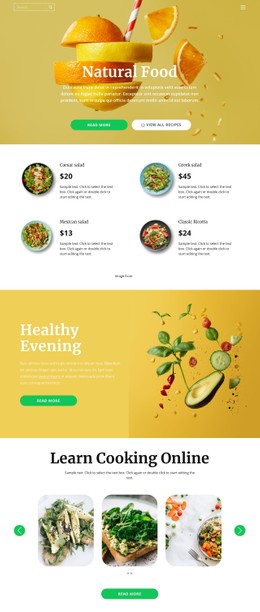
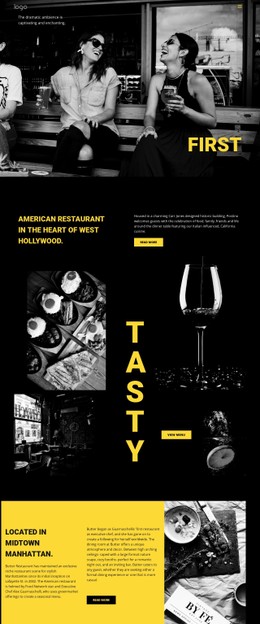
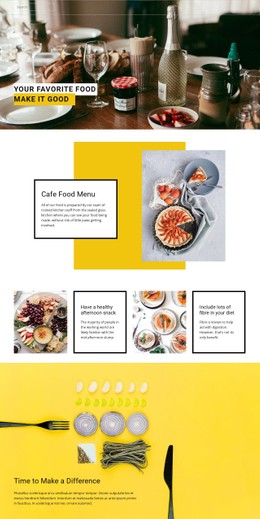
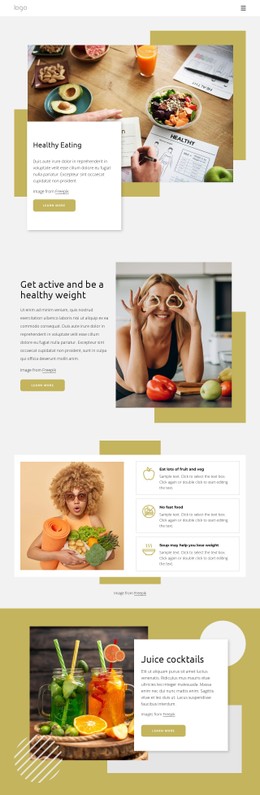
Food & restaurant CSS templates give dining businesses, farms, diet projects, and raw-food brands a reusable styling foundation for restaurant interfaces. The focus is presentation: menu cards, dish grids, price rows, food imagery, buttons, dietary labels, spacing, and responsive menu behavior can share consistent visual rules across a project without turning the page into a custom markup workflow.
Reuse Styling Across Restaurant UI Elements
Restaurant pages often repeat the same visual patterns. Dish cards need consistent spacing, price rows should align, dietary badges should stay readable, and image crops should feel related even when menu content changes. Reusable CSS rules help those interface patterns stay consistent across menu, gallery, offer, and location pages.
A restaurant can use menu-focused design ideas to compare dish-group structures and price presentation. Agricultural projects can draw from farming website layouts when produce, sourcing, or seasonal ranges need more structured visual treatment.
CSS mainly handles styling and presentation rather than custom markup. Once the restaurant content structure is in place, reusable rules can control how repeated elements look and behave across screens.
CSS Styling for Menus, Food Imagery, and Buttons
Reusable Restaurant Styling
- Keep dish cards, price rows, and menu-category spacing consistent across repeated sections.
- Style vegan, spicy, gluten-free, seasonal, or other dietary labels with reusable visual rules.
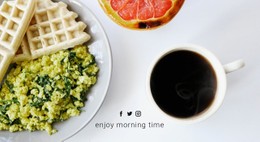
- Control image aspect ratios and cropping for dishes, ingredients, farm products, or chef photography.
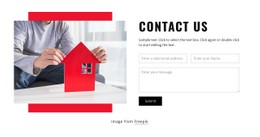
- Apply consistent button treatment to reservation, order, call, or contact actions.
- Refine typography, borders, spacing, and hover states across repeated restaurant UI elements.
Responsive Presentation
- Custom CSS can extend the visual treatment of one element, one page, or the entire project.
- Responsive Modes let you review how menu cards, buttons, labels, grids, and images behave on desktop, tablet, and phone screens.
- Export Minimal CSS Per Page can generate a separate stylesheet containing only the rules required by an individual page.
Nicepage documents Export Minimal CSS Per Page as an optional export mode that creates a compact stylesheet for each page. This can be useful when menu, gallery, story, and location pages use different combinations of reusable restaurant styles.
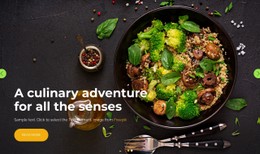
A raw-food or ingredient-led brand can also reference raw website concepts for restrained layouts and image-led presentation, then customize spacing, card treatment, buttons, and responsive menu styling around the actual content.
Check Restaurant Styling Across Screen Sizes
Long dish names, multi-line descriptions, uneven prices, small dietary markers, differently cropped images, and prominent reservation buttons deserve special attention on narrow screens. Use the documented Responsive Web Design workflow to review how styling behaves across supported screen sizes before export.
Common Mistake: treating CSS templates as a reason to rebuild restaurant content structure with code. The Fix: keep the structure in the visual layout, then use reusable CSS rules to refine presentation, consistency, and responsive behavior.
Restaurant CSS Template Questions
Can I reuse CSS styling across restaurant menu cards?
Yes. Reusable CSS rules can help keep dish cards, price rows, dietary labels, borders, spacing, and other repeated menu elements visually consistent.
Can I control food image presentation with CSS?
Yes. Styling can refine image proportions, cropping, spacing, and responsive behavior so dish and product photography remains consistent across repeated sections.
Can I style reservation or order buttons consistently?
Yes. Reusable styling rules can keep reservation, order, call, and contact buttons consistent across restaurant pages and responsive views.
Can I reduce the CSS loaded by individual restaurant pages?
Yes. Export Minimal CSS Per Page creates a separate CSS file containing only the styles required for that page.
Refine Restaurant Presentation with Reusable CSS
Choose a culinary layout that already has the right content structure, then use reusable styling to refine menu cards, dish grids, food imagery, buttons, labels, spacing, and responsive presentation. Keep markup concerns separate and use CSS where the restaurant interface needs visual consistency.