
Recycling HTML Templates
-

-
-
-
-
-
-
-
-
Free Website Builder SoftwareDownload
-
-
-
-
-
-
-
-
-








More HTML Templates from Nature Category









































Other Nature HTML Templates
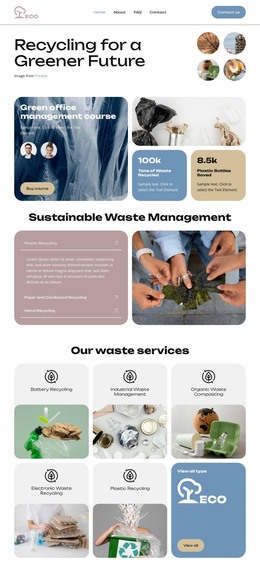
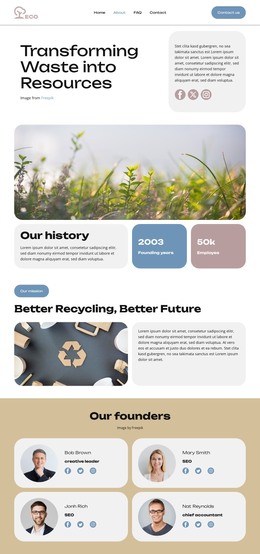
High-Performance Recycling HTML Templates
Recycling HTML templates helps keep environmentally focused materials organized through a reliable structure. As a result, sustainability websites are easier to browse. This is quite useful, since portals like that often have to explain a lot at once. Visitors may need service details, collection schedules, or recycling instructions. Others may be looking for environmental reports, local programs, or community initiatives. And when all these things appear on one website without a clear structure, the experience can get confusing really quickly.
You can use these solutions for all types of eco-friendly projects. If you’re running an electronics recycling company, then you can use them to explain accepted devices, collection procedures, and disposal rules on your firm’s website. Another example: a construction waste recovery business may organize material processing details, service areas, and project examples in dedicated sections.
HTML was proposed in the 1990’s, and its second iteration (2.0) became the recommended web technology back in 1995. More than three decades later, the language is still under constant development.
Why Use Markup for Eco-Friendly Services and Resources
These websites often feature guides, timetables, and related services. They can feature a variety of learning and community resources. Having a solid HTML framework is really important to ensure components don’t become detached from one another.
What can you get by using pre-built markup structures? Here’s the list:
- Highly adaptable layouts for modern devices.
- Flexible sections that feature services and environmental resources.
- Structured markup for cleaner organization.
- Editable HTML blocks to improve customization.
- Reliable foundations for future expansion.
Improved Information Management for Sustainability Projects
Developers often appreciate HTML templates because they provide a predictable structure for content-heavy websites. New guides, collection schedules, and service updates can be added without disrupting the platform's overall organization. This saves time and makes the development process much smoother, especially when the website needs many pages with similar content types. It also becomes easier to explain what the organization does, why the program matters, and how people can take part. That kind of clarity really matters when the goal is to encourage better habits in everyday life.
There are other features. Let’s take a closer look at them:
- Simplified management of service information.
- Lightweight markup that boosts performance.
- Much stronger support for public education.
- More effective communication of guidelines.
- Greater flexibility for future growth.
Launch an Accessible Recycling Website
The resulting site is well-structured and easier to navigate. And the visitors will surely appreciate it. They can now spend less time being confused about navigation and can quickly move to important sections. And they’ll be more likely to trust your organization. After all, we all know that clear communication is important.