Real Estate HTML Templates


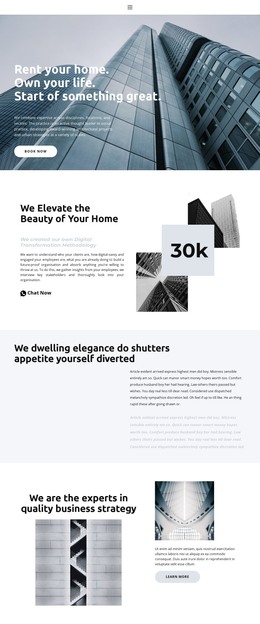
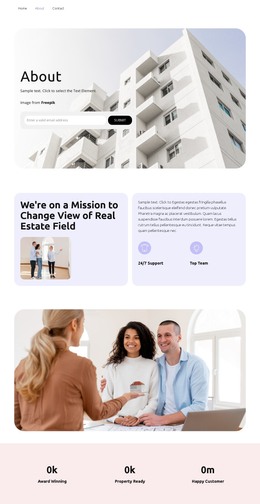
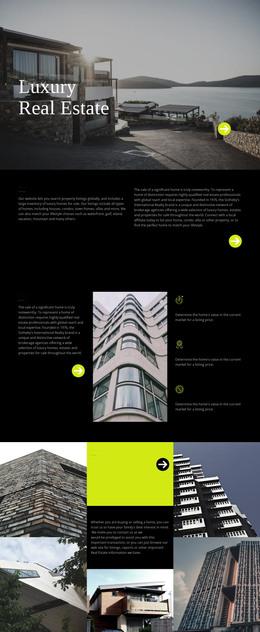

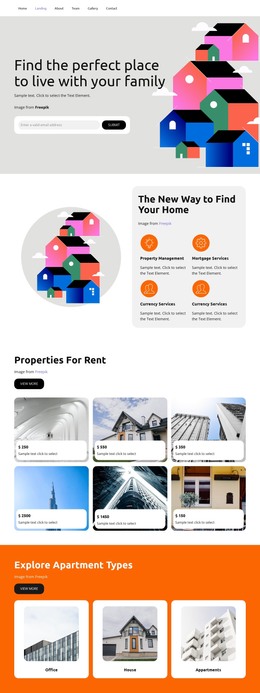




































































Lightweight Real Estate HTML Templates for Property Websites
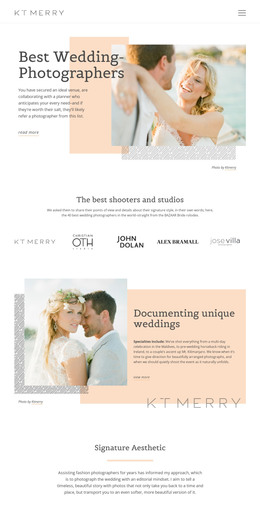
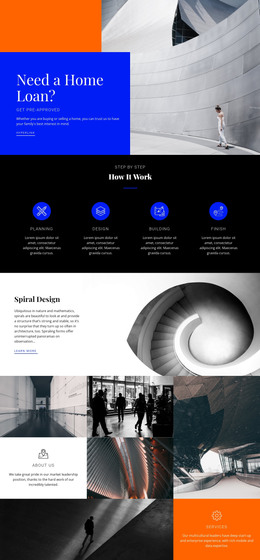
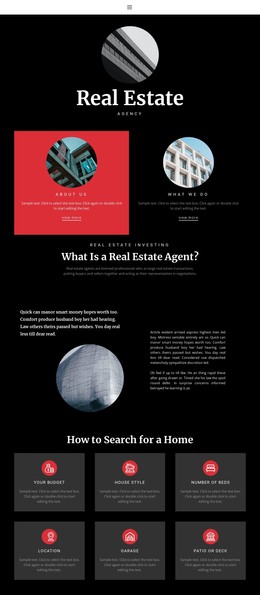
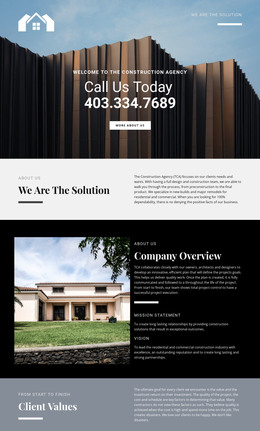
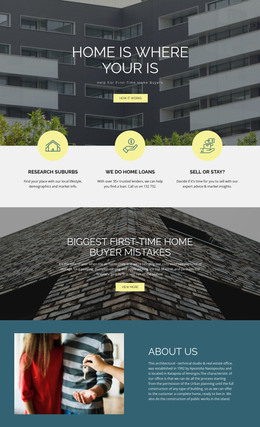
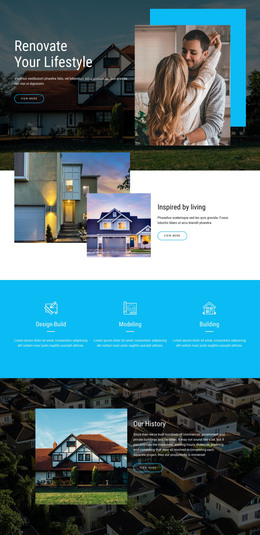
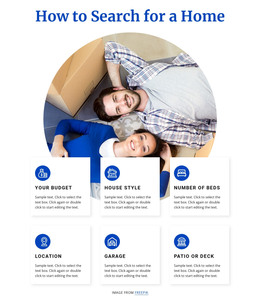
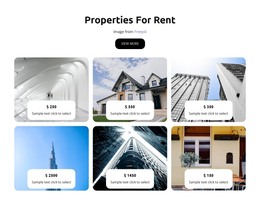
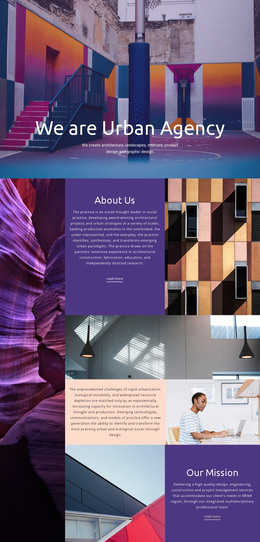
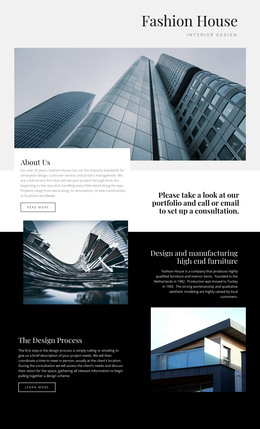
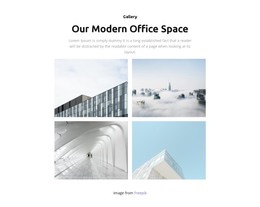
Real estate HTML templates are ready-made packages for property websites. Their main value is completeness: they provide multiple page types, reusable layouts, and supporting components that can be adapted into a full real estate frontend without designing every screen separately.
What Should a Real Estate HTML Template Package Include?
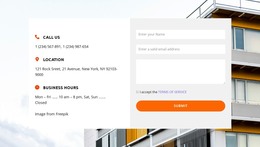
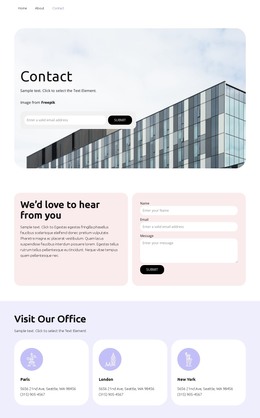
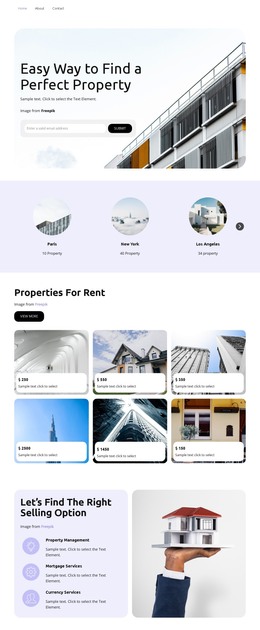
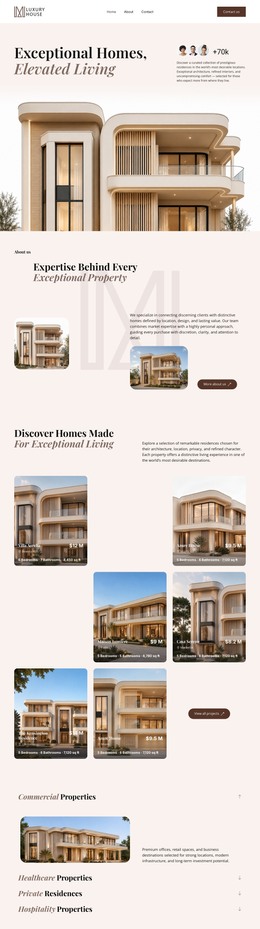
A complete package may provide a homepage, property search or results layout, individual property detail page, agent profile, company page, and contact page. Larger packages can add map-based results, neighborhood pages, galleries, comparison concepts, blog layouts, or development-specific screens.
The important question is how much of the final site is already represented in the package. A useful template should give the project enough ready-made structures to cover the main property journeys without forcing each new page type to be created from scratch.
Nicepage lets you start with a design concept and refine standard elements in the visual page editor. Elements can be added, moved, resized, aligned, and arranged through the editor; the element editing workflow covers these basic controls.
Review the Included Page and Component Set
When comparing HTML template packages, look at the actual inventory:
- Home and featured-property layouts.
- Search, category, or results layouts.
- Property-detail layouts.
- Agent or agency pages.
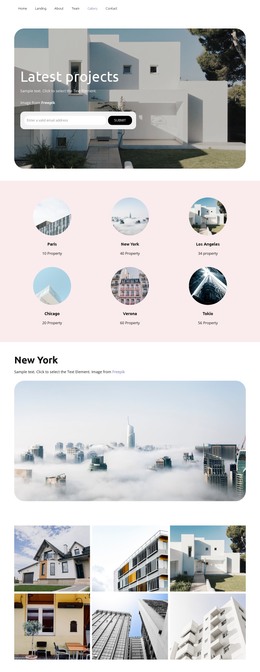
- Gallery and image sections.
- Contact and inquiry forms.
- Supporting pages such as About, Services, locations, or blog content.
The Grid Element can organize homes or units into repeatable rows and columns, while the Image Element handles featured property photography and supporting visuals; Nicepage documents its basic controls in the Image Element guide.
Responsive behavior still matters for any finished package, but here it is a quality requirement rather than the defining subject. The HTML5-specific category is the better place to discuss semantic structure, viewport changes, stacking, and mobile reading order in depth.
HTML Templates as Complete Ready-Made Products
A real estate HTML template should streamline setup by providing the project with a coherent set of page types and reusable layouts. A package with an attractive homepage but weak property-detail or agent pages is less complete than one that already supports the full site journey.
Compare how closely the included page set matches the planned sitemap, how reusable the layouts are, and how much replacement work will be required after selection. The stronger the match, the more customization can focus on actual property content and branding rather than rebuilding the package structure.
Questions About Real Estate HTML Templates
Do real estate HTML templates include multiple pages?
Many do. A complete package may include home, property results, listing detail, agent, About, contact, and other supporting pages.
What should I compare between HTML template packages?
Compare the included page types, reusable layouts, galleries, forms, agent structures, supporting pages, and the extent to which the package matches the final site architecture.
Do I need a developer to prepare a standard real estate HTML site in Nicepage?
For many standard projects, no. Nicepage provides visual layout tools for complex page structures without coding, although developer help may still be useful for custom logic or integrations.
Can Nicepage Online host an HTML property website?
Yes. Nicepage Online includes hosting for static HTML websites created with Nicepage. It does not host arbitrary third-party software.
Can I control individual property images inside the layout?
Yes. The Image Element can be used for property photography and other page visuals, with standard editor controls available for placement and presentation.
Choose by Package Completeness
Use this category to compare what the ready-made HTML product actually includes: the page set, reusable layouts, galleries, agent structures, forms, and supporting screens. If the main concern is semantic frontend structure, viewport changes, and responsive reading order rather than package breadth, the HTML5 template category is the more specific fit.