570 Wide HTML Templates









































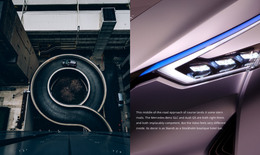




















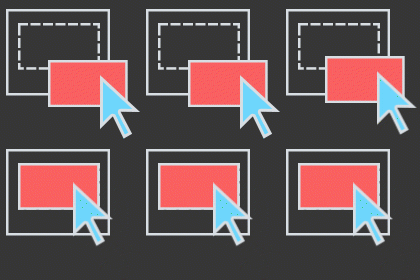











































Ready-To-Use Wide HTML Templates as Broad Static Page Fragments
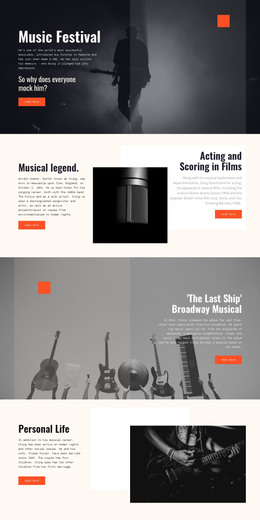
Wide HTML Templates provide prepared page fragments with a deliberately broad horizontal role. The HTML-specific value comes from structure and integration, while the Wide-specific value comes from giving one section more horizontal presence than the standard fragments around it.
That makes the section useful when a static page needs a broad image, statement, promotional area, or visual separator without turning that content into a separate page or interactive component.
Insert a Wide Fragment Into the HTML Document
A Wide HTML section can sit between ordinary static page fragments and create a greater change in width.
For example:
- hero → standard content → Wide fragment → project grid;
- article intro → text sections → Wide image fragment → next content group;
- product overview → details → Wide promotional fragment → specifications.
The markup remains part of the same document, but the Wide fragment has a distinct spatial role inside that structure.
Organize Markup Around One Broad Content Moment
A prepared Wide fragment may include headings, text, media, buttons, or supporting elements. The structure should stay focused enough that the extra width does not become an excuse to add unrelated content.
When adapting the fragment:
- preserve a clear heading hierarchy;
- keep the main Wide content group easy to identify;
- remove unused demo elements;
- organize related elements together;
- simplify unnecessary wrappers or nested content.
A short statement with one dominant image can be more appropriate than a dense multi-column structure when the Wide section is intended to act as one broad page moment.
Keep Wide Structure Distinct From Ordinary HTML Sections
The HTML page may contain many standard sections, but the Wide fragment should remain structurally purposeful.
It can use a broader media area, a simpler grouping of elements, or a content arrangement that gives one message more horizontal room. The point is not to reproduce the entire visual theory of Wide, but to ensure that the HTML fragment still behaves like a Wide section after structural editing.
If the block becomes indistinguishable from every other content fragment, the Wide-specific value has been lost.
Adapt the Fragment Without Losing Its Horizontal Role
Replacing demo content is only one part of the task. Structural changes should preserve the section's main Wide function.
You may need to:
- remove a secondary content group that makes the section too dense;
- move the heading closer to the main visual;
- simplify nested elements;
- change the order of image and text;
- preserve a broad media or content area as the fragment's main feature.
These are HTML structure decisions, but they should still support the Wide layout rather than flatten it into a generic section.
Export and Integrate Into a Static HTML Project
AOncethe fragment is organized, iyoucan buse itin the static HTML workflow.
A practical sequence is:
- identify where the Wide fragment belongs in the document;
- organize its elements and heading hierarchy;
- remove unused content;
- preserve the fragment's broad content role;
- export or integrate it into the static project.
The result should be a clean HTML section with a recognizably Wide purpose.
Keep HTML Templates Distinct From HTML Code
Wide HTML Templates start with a prepared section structure. HTML Code is more appropriate when custom markup, embedded components, or external functionality are the primary task.
Here, the prepared fragment should already provide both the basic HTML structure and the broad section role needed for the page.
Wide HTML Template FAQ
What makes a Wide HTML fragment different from a standard section?
It remains part of the same static document but gives one image, message, promotion, or content group more horizontal presence than ordinary page fragments.
Can I remove elements without losing the Wide layout?
Yes. You can remove unused content as long as the remaining structure still preserves the section's broad primary content area.
Should I preserve heading hierarchy in a Wide HTML section?
Yes. Clear heading hierarchy and element grouping keep the fragment structurally consistent with the rest of the HTML document.
Can a Wide fragment be exported and integrated into static HTML?
Yes. You can adapt the fragment within the Nicepage project and use it in the resulting static HTML workflow.
Integrate a Broad Fragment Into the Static Page
Treat the section as both HTML structure and a Wide page fragment. Organize the markup, preserve hierarchy, remove what is unnecessary, and keep the broad horizontal content role visible when the fragment is integrated into the larger static page.