
Africa HTML Templates
Destination pages often combine strong imagery with tour details, cultural context, local services, and practical visitor information. Africa HTML templates place that content inside reusable, responsive markup that can serve as a direct implementation foundation.



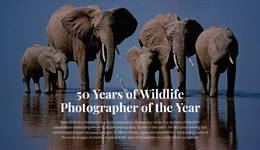

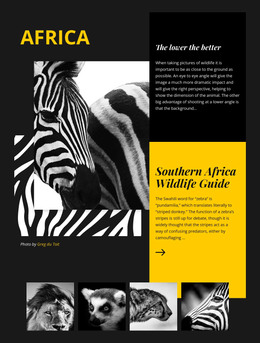
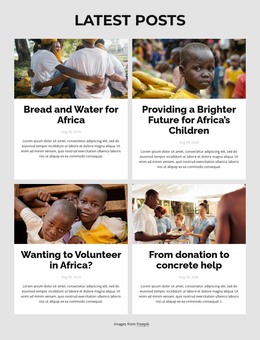
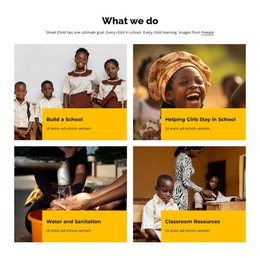



























































Other Nature HTML Templates
Functional Africa HTML Templates
A single safari page often has to explain park fees, bush flights between camps, and a season that changes what visitors will see. Africa HTML templates give you finished page layouts where that detail already has a place, ready to edit section by section. They suit the pages travel projects rely on most, such as an itinerary, a destination overview, or a wildlife gallery. Heritage and charity groups can adapt the same layouts too.
How Each Layout Reads Top to Bottom
A good template already follows the order in which each kind of page is read, and three compositions show how much that order varies:
- a safari itinerary that opens on the route, walks through the trip day by day, and ends with an inquiry form
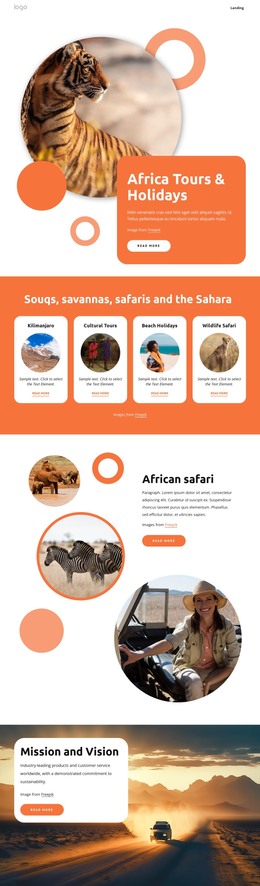
- a destination page for somewhere like Zanzibar or Victoria Falls, where a wide opening photo and a short overview lead into highlight cards
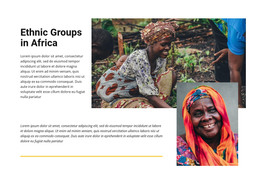
- a heritage or charity project page that tells the story first, introduces the people involved, and closes with a way to visit or donate
The itinerary deserves a closer look because it gets copied more than any other layout. Once the first trip page works, the markup for its day blocks and lodge cards can be reused for every new safari. Even a long list of African trips then reads as one operator's work.
Wildlife Shots, Cards, Request Forms
Open the inner layouts when comparing designs, since a ready tour detail layout saves more work than a striking hero with nothing behind it. Repeatable cards matter too, because tours, lodges, and projects all end up as rows of similar blocks.
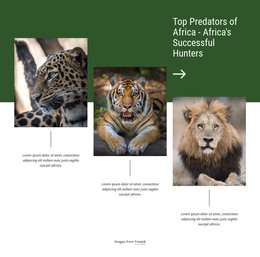
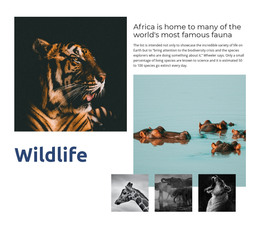
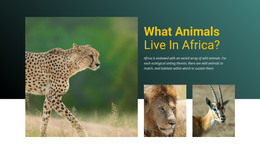
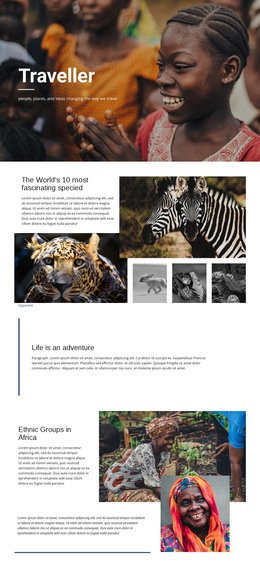
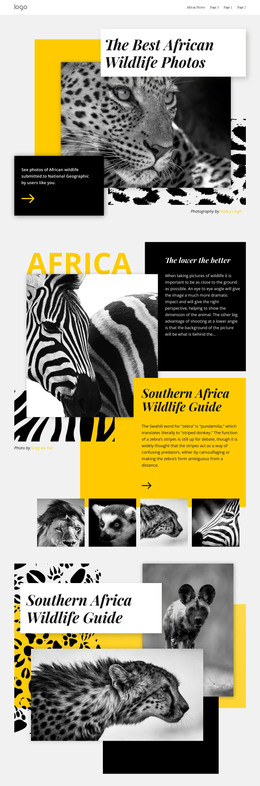
Wildlife photography needs its own check. A leopard photographed on a Kruger game drive often fills a small corner of a wide frame. A hero that crops hard for narrow screens can leave nothing but grass. Image grids with captions, or a gallery that preserves the original proportions, handle these shots better. Nicepage's Responsive Modes let you adjust every section from large screens down to vertical phones. On a long itinerary, a request form that appears only at the bottom is easy to miss, so look at where it sits.
Testing With a Real Kenya Itinerary
The simplest test is to drop one real trip into the demo. A ten-day East Africa route through Kenya and Tanzania, with four lodges and a couple of bush flights, shows quickly whether the day blocks stretch or break. If the sections take that trip as it is, the template fits the pages you plan to build. A design that needs new blocks for every safari costs more time than it saves.