
Postcard CSS Templates
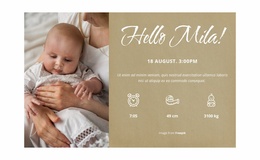
Postcards rely on image scale, spacing, type, and framing to feel intentional. CSS-focused templates let travel brands, event teams, and personal creators refine those visual rules across desktop, tablet, and phone layouts.







More Website & HTML Templates for Postcard



More CSS Templates from Art & Design Category



























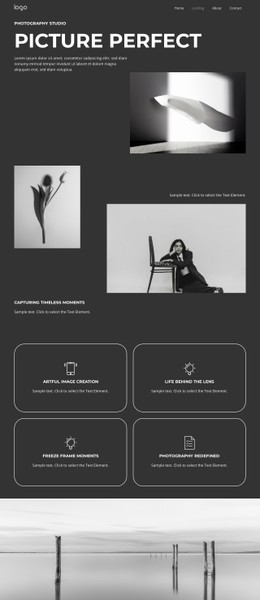









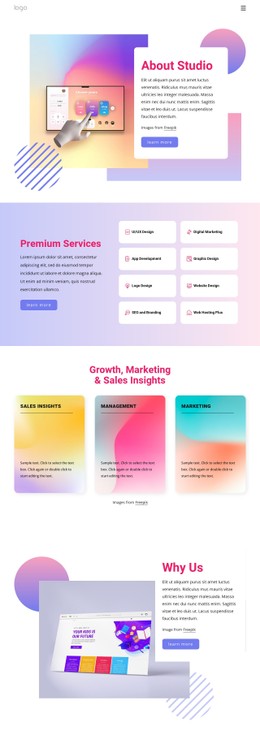
Other Art & Design CSS Templates
Responsive Postcard CSS Templates for Visual Control
A postcard can look polished on a desktop and fall apart on a narrow screen: the photo swells, the greeting drifts, and the frame that held it together disappears. Postcard CSS templates keep that composition under control through image scale, typography, and border treatment. Spacing, contrast, and crop behavior belong to the same layer, so dates and sender details stay legible at any width.
Set Proportions, Crops, Stacking Behavior
The character of a printed card comes from proportion, and styling decides those relations. A landscape photo can dominate a wide display, while a portrait photo needs the message below the image. Grid and Flexbox handle that transition, from column proportions and gaps to the media query that stacks the two zones.
Several styling choices decide how firmly the composition holds:
- An aspect-ratio rule on the image zone, which keeps the crop consistent across a series;
- object-fit, which decides what part of a photo survives when the frame changes shape;
- A controlled measure for the message, so a short greeting does not stretch across the screen;
- A paper-like edge, from a border or a shadow.
Readable Type Beside Decorative Touches
Type carries the card's hierarchy. The greeting is usually the loudest line, while location, date, and sender sit beneath it with enough contrast to stay legible. On a narrow screen, the greeting can come down a step and the spacing can tighten, so the photo is not pushed out of view.
Decorative details work best when each has a job:
- A stamp-style badge in a corner, which signals postal origin before anyone reads a word;
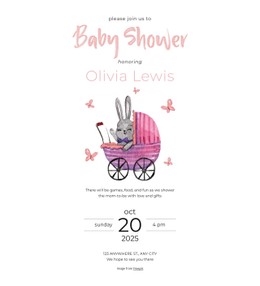
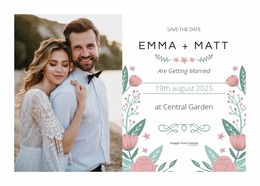
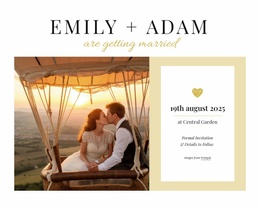
- A frame around the date on an invitation, which separates the practical part from the picture;
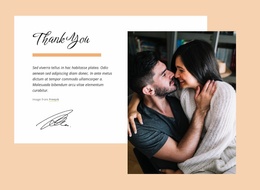
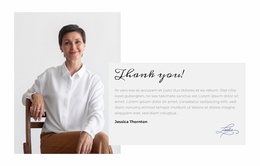
- A signature that can take a handwritten treatment, giving the sender's name its role on a printed card.
Most of this comes from the visual controls in the editor. When a detail falls outside them, Nicepage adds Custom CSS controls, which attach a class to the single element that needs it.
Fewer Custom CSS Classes, Cleaner Output
Those exceptions work best as long as they remain few. Postcards are compact, so a separate rule for every ornament grows faster than the design itself. Shared type sizes, colors, and spacing can apply across an entire series, while rules that differ from card to card remain local. Nicepage keeps CSS output minimal for each layout, which helps when one postcard is framed and the next is plain.
A final pass settles it: does the image stay balanced on a phone, does the greeting remain readable, do the details keep their order? Styling answers those questions and leaves the content structure alone.