
Welding HTML Templates
Welding contractors need pages where MIG, TIG, fabrication, materials, project proof, and quote guidance stay distinct. A ready-made HTML foundation can preserve that hierarchy across responsive layouts and prepare the final markup for review or static hosting.




More HTML Templates from Industrial Category











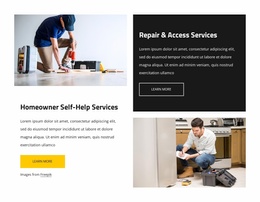



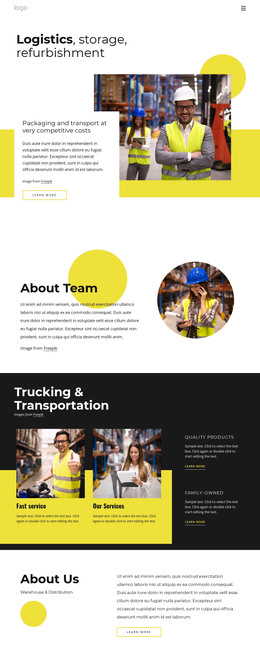
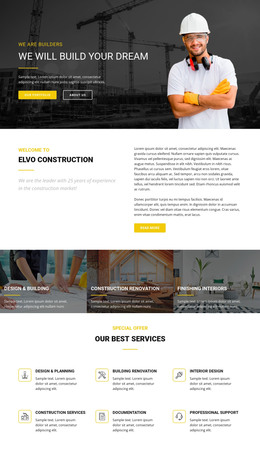




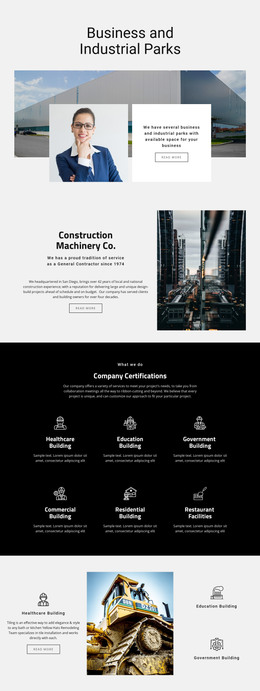
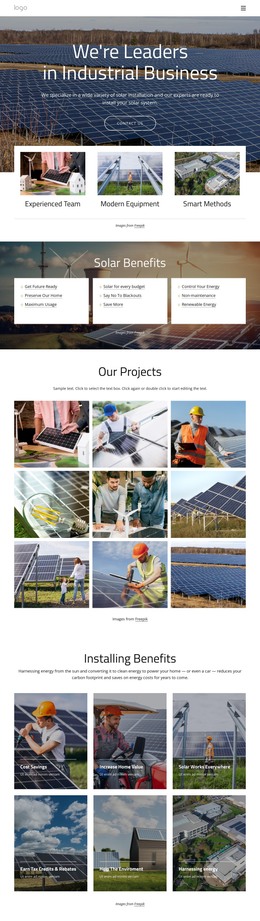







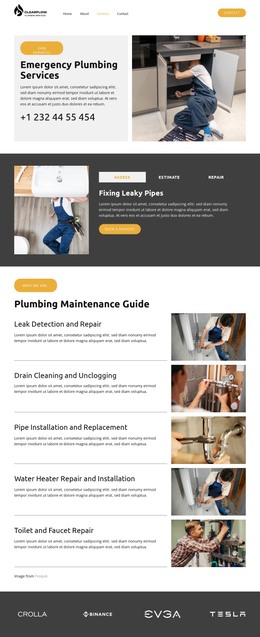



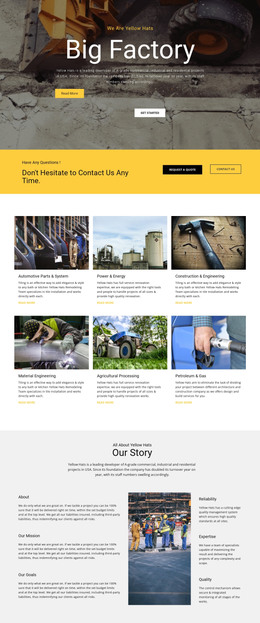




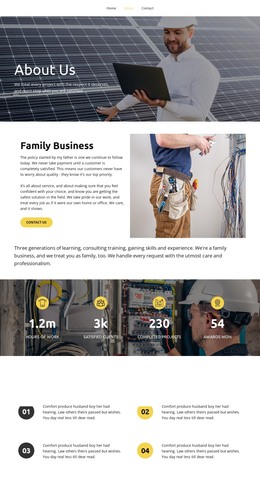


Other Industrial HTML Templates
Clean Welding HTML Templates for Structured Service Pages
Dense service content can make a welding website difficult to maintain when the underlying markup has no clear hierarchy. Welding HTML templates provide contractors and fabrication businesses with a ready-made HTML foundation for service details, project documentation, company information, and inquiry content. The main advantage is a structured starting point rather than a complete multi-page strategy.
Semantic HTML Structure for Welding Content
A welding HTML template should make the purpose of each major content region understandable in the markup. Service descriptions can occupy dedicated sections, project examples can remain separate from company information, and contact content can reside in its own logical region. This approach supports a predictable document structure instead of relying on visual placement alone.
For a welding contractor, that distinction matters when a page combines an introduction, several service categories, photographs of completed work, business details, and a quote request. Clear heading order helps preserve the relationship between those areas. Semantic tags can identify meaningful regions, while reusable HTML sections make it easier to repeat a consistent service pattern without rebuilding the layout for every content block.
Reusable Sections Without Full-Site Planning
The purpose of this page is not to define an entire website architecture. A ready-made HTML implementation is more useful when individual sections already provide a practical structure for real welding content.
A fabrication shop may reuse the same service-section pattern for several capabilities while changing the heading, description, imagery, and supporting details. A contractor may apply a consistent project block to several completed projects. The markup remains predictable even when the content changes.
Responsive Markup and Static HTML Delivery
Responsive markup should preserve the same content hierarchy when a wide desktop composition is rendered on a narrower screen. Project images, service descriptions, headings, and inquiry content may change their visual positions, but their logical relationships should remain understandable. This gives the finished welding HTML page a cleaner basis for responsive review and later technical checks.
W3C validation can also serve as an external check for markup issues after the final HTML is prepared. It complements visual review rather than replacing it.
Nicepage Online supports HTML export for hosting on your own server. For a welding business that specifically wants a static HTML deliverable, the practical takeaway is simple: select a template whose markup already reflects the service content you need, refine the real business information, review responsive behavior, and prepare the resulting HTML for its intended hosting environment.