
Gemstone HTML Templates
Gem dealers and jewelers need each stone to pair precise specifications with strong visual evidence. These HTML templates provide reusable sections for gemstone imagery, grading details, origin notes, certificates, and product descriptions.
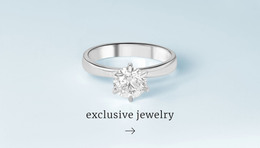


More HTML Templates from Industrial Category


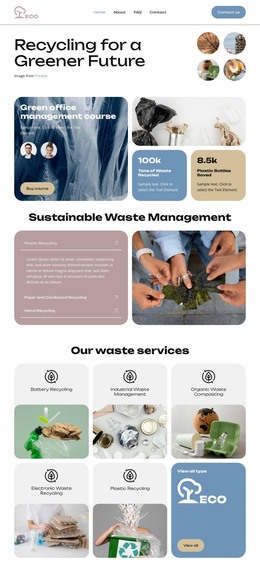


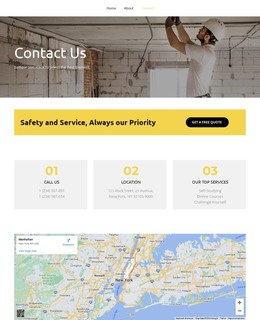


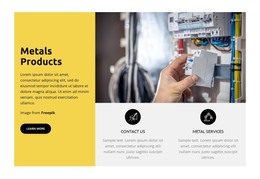








































Other Industrial HTML Templates
Editable Gemstone HTML Templates
Gemstone HTML templates give a stone business a ready design packaged as editable front-end files. Some are compact showcases for a few rare pieces, and others are full shops with a catalog grid, stone pages, and an inquiry form. You adjust the look in Nicepage, export it as HTML, then either host the files yourself or hand them off to a developer.
Beyond the Single Stone Page
Buyers often browse a dozen sapphires before asking about one, so the catalog matters as much as the stone page. Designs in this category usually combine some of these layouts:
- a homepage or collection overview with featured stones up front;
- catalog grids with category links for each variety;
- a detail layout with room for measurements, cut, and treatment notes;
- an inquiry page for price requests and extra photos.
The stones in a demo are only placeholders. Your records include the origin, certificate number, and price, while the template determines how they are laid out.
In Nicepage, the Image Gallery Element fits naturally into a detail layout. It arranges several shots in rows and columns and opens a larger image on click, so facets and inclusions sit beside the specs. For a small collection, its category filter can even serve as a simple catalog.
Markup Your Developer Can Extend
You don't have to edit the source to customize a design because you can change photos, text, and colors in the editor. The main argument for this format comes after export, when the files stay open for direct editing. A developer can feed the catalog grid from an inventory spreadsheet or wire the inquiry form to the shop's backend. You can also move the pages into an existing site without a CMS.
Gem catalogs are repetitive by nature. A grid of loose stones is one product card repeated dozens of times with different data, so a well-built card pays off on every listing. The layouts are responsive too, which matters when buyers first open a stone from a link a dealer sent to their phone.
Showcase or Storefront?
A lapidary artist with a small tray of cut stones needs a showcase and a simple way to ask about price. Filters and a cart would only get in the way. A dealer listing hundreds of calibrated stones needs category links first, plus a detail layout that holds more data without turning into a wall of numbers.
The HTML format works for both. The artist uploads the exported files and updates them when a new stone is cut, while the dealer's developer keeps extending the same code.