
Flex CSS Templates
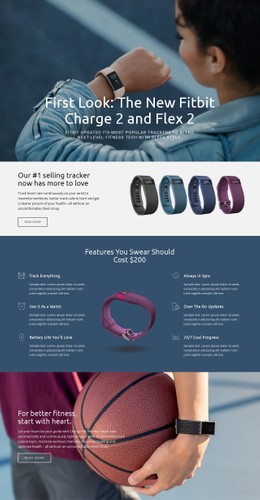
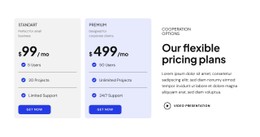
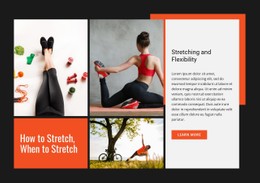
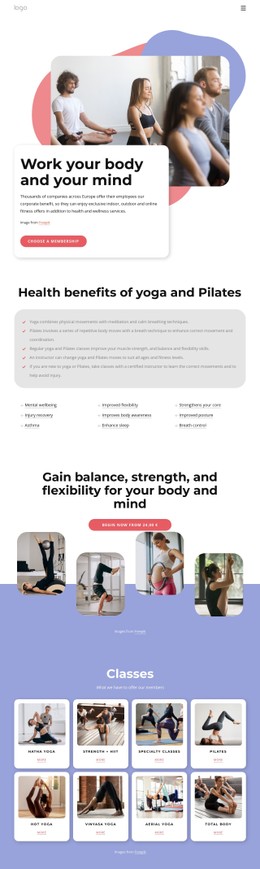








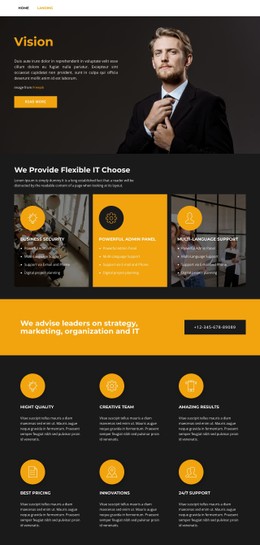
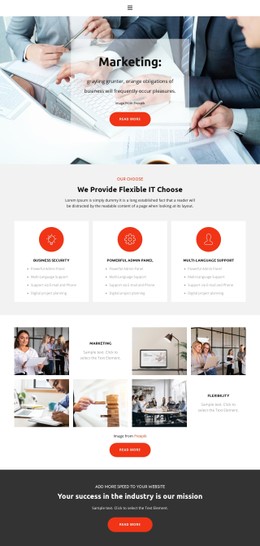
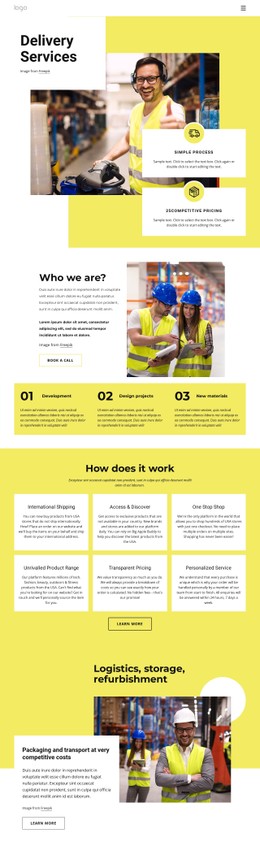
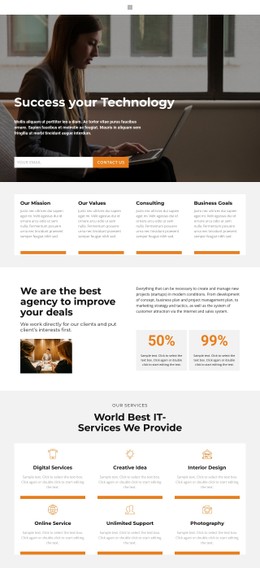
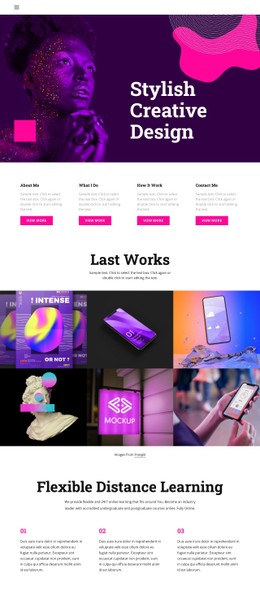
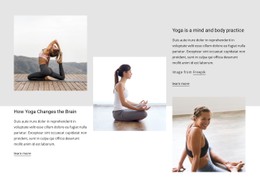
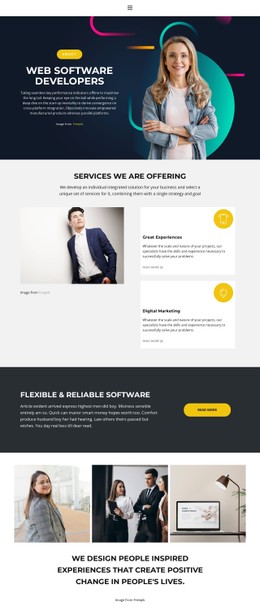

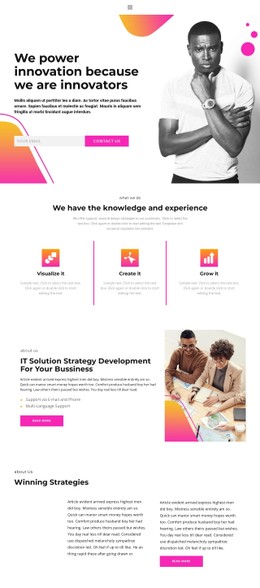

More Website & HTML Templates for Flex




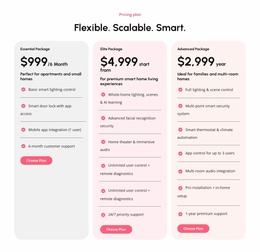

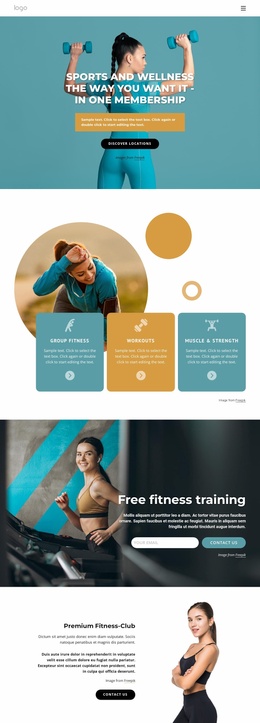

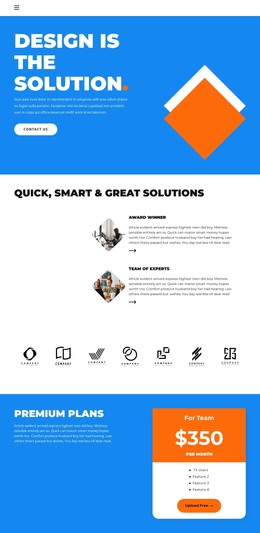

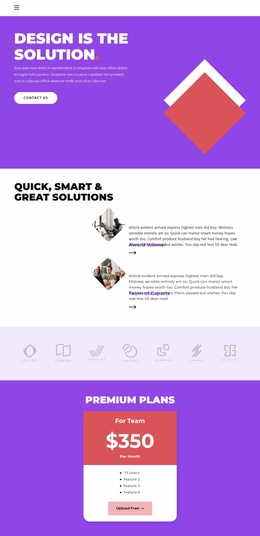





Other Sports CSS Templates
Build Adaptive Interfaces With Professional Flex CSS Templates
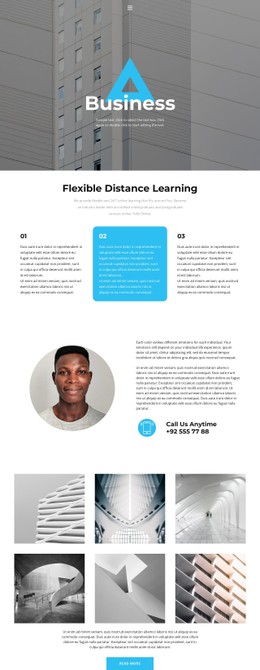
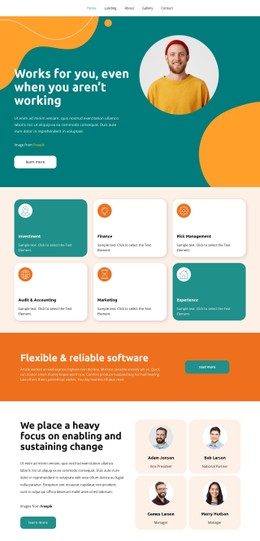
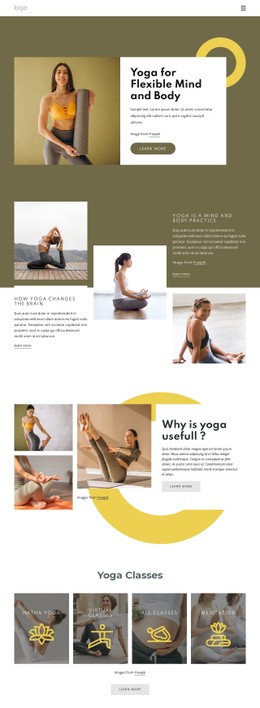
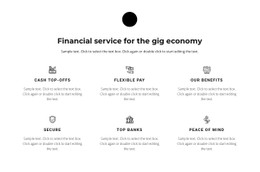
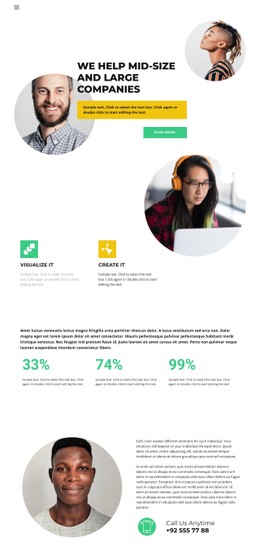
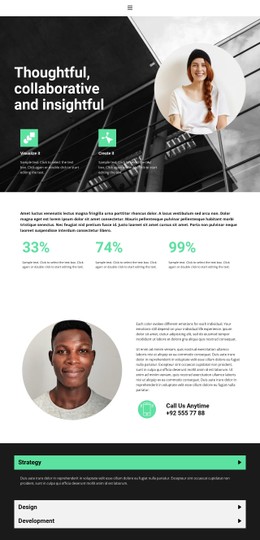
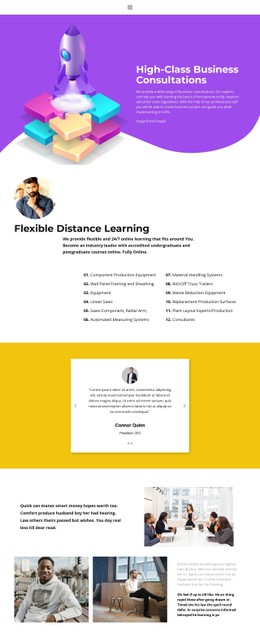
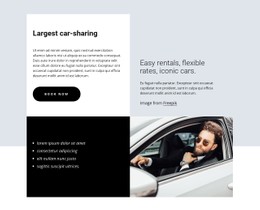
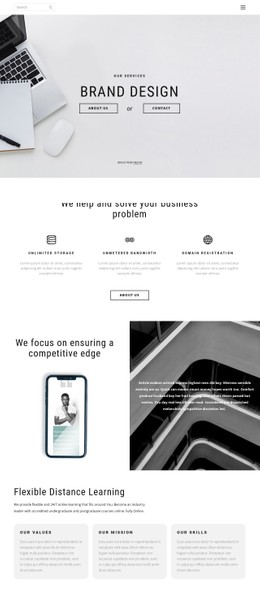
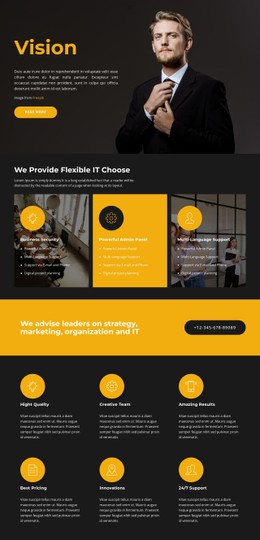
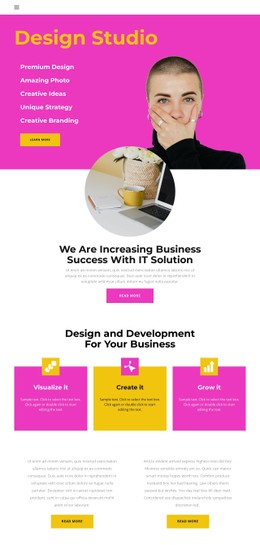
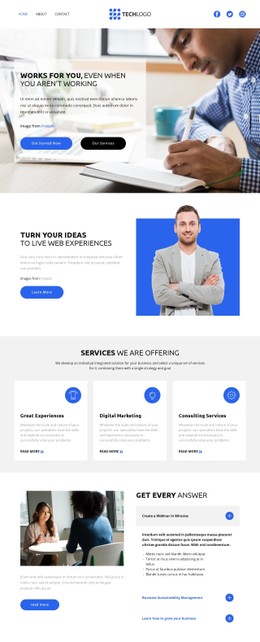
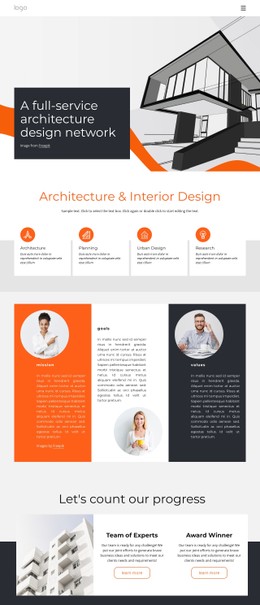
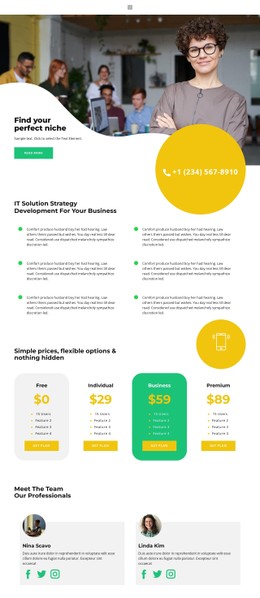
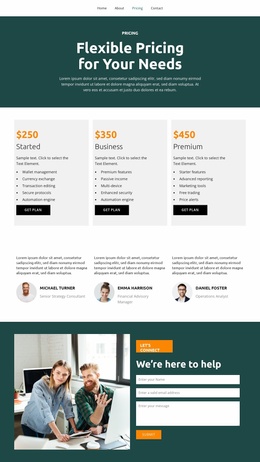
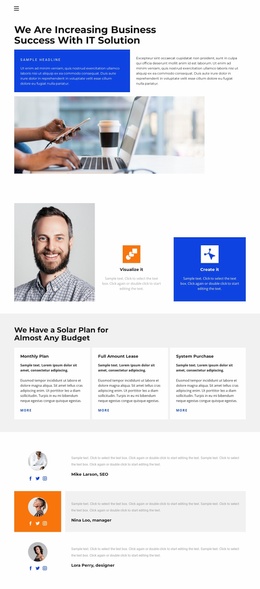
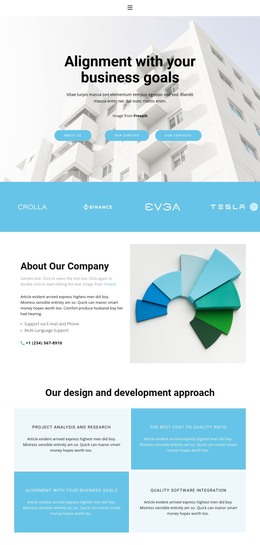
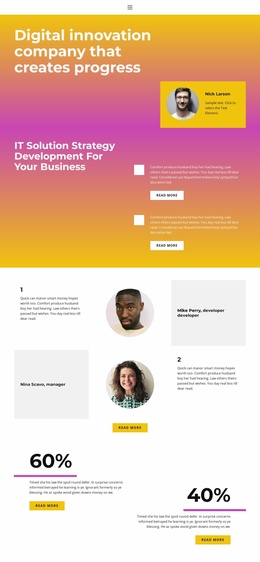
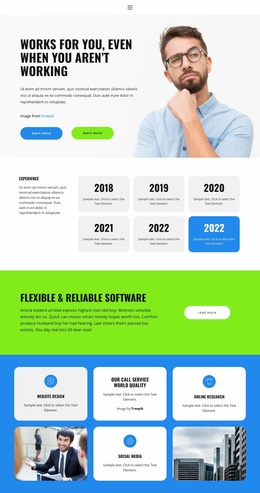
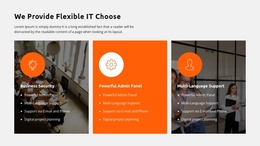
Flex CSS templates help various businesses and designers create adaptive sites with versatile alignment, organized content blocks, and visually balanced interfaces. These flexible solutions are highly useful for startups, agencies, and digital projects that require functional layouts and scalable visual presentation. Here, you get custom CSS layouts, a versatile UI system, and adaptive page content structure. The templates make the process of customizing pages visually simple for users and help them keep browsing and maintain brand consistency on smartphones, tablets, and computers. A flexible layout structure improves website usability, as visitors can easily browse the site regardless of screen size or orientation.
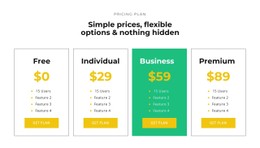
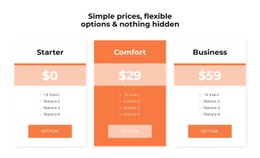
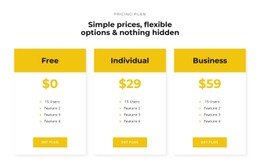
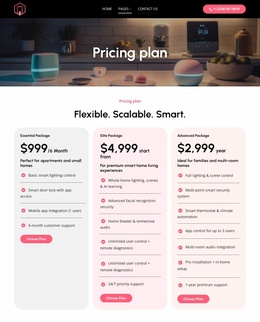
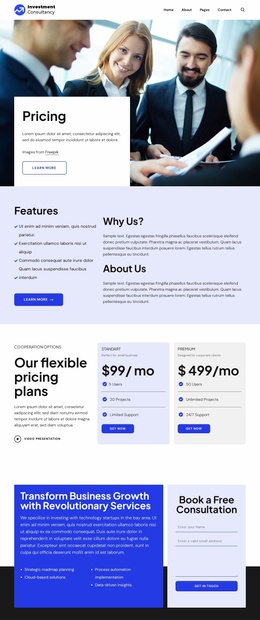
These layouts are mainly dedicated to building responsive alignments and a dynamic frontend structure. SaaS solutions may benefit from adaptive layouts built in sections, pricing blocks, and feature lists. Online shopping websites can benefit from flexible layouts, making browsing more user-friendly.
Fun fact: according to research, CSS is used by around 97.5% of all existing portals. The number is massive and clearly underscores the importance of this technology.
Functional Styling With Flexible Layouts
Websites built today often include product grids, content areas, and promotional banners. CSS will help arrange these elements while ensuring a visually balanced, interactive display.
Here are the main advantages of flex CSS templates:
- Mobile-friendly layouts.
- Flexible alignment.
- Customizable color schemes.
- Highly dynamic layouts for scalable content blocks.
- Modifiable fonts.
- Easily editable design sections for customization.
Better UI Structure Improves Browsing Experience
The layouts can be used in startup websites, SaaS applications, online stores, and marketing portals. Landing pages and interactive interfaces can also utilize them without compromising overall responsiveness. You can use them without issues and improve the look of your portal.
Modern websites should provide users with a responsive browsing experience and an organized visual layout. This makes it necessary to use adaptive layouts and a flexible content hierarchy on a website. Having a professional interface is important, as portals today should offer a responsive, well-designed interface. Poor design often leads to a decrease in user engagement.
Refine Your Portal’s Visuals
CSS aims to provide control over the visual aspects of a website. Want to customize colors? You can do it in a couple of clicks. The same is true for fonts. Need to adjust spacing? It’s possible to achieve that without any issues as well. A CSS structure helps websites improve frontend flexibility, user interaction, and visual organization. Explore the collection of flex CSS templates, customize adaptive sections, and build websites that feel modern, responsive, and easy to navigate across every device.