
Sports Clothing CSS Templates
Activewear catalogs repeat the same visual decisions across leggings, tops, jackets, and training sets. CSS templates help control card spacing, selector states, product emphasis, and responsive behavior while leaving room for page-specific styling exceptions.


























Other Sports CSS Templates
Sports Clothing CSS Templates for Activewear Styling
A sports clothing CSS template arrives as a finished visual system: card treatments, variant states, badge weights, a typographic scale, and the responsive behavior that holds them together. You inherit those decisions instead of making forty small ones, and the catalog reads as a single brand from the first garment to the four hundredth.
Styling Rules You Inherit
Most of the value sits in a handful of recurring pieces:
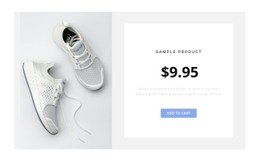
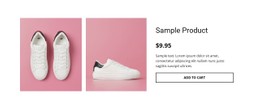
- garment cards with settled spacing, borders, image ratio, and price weight;
- size selectors carrying visible active, hover, andsold-outt states;
- colorway swatches that stay legible next to busy action photography;
- sale and new season badges pitched just below the garment name in emphasis.
Custom rules remain available in Nicepage for genuine exceptions, such as a campaign page with its own palette. Used that way, they stay small and easy to track. Used as a substitute for the system, they become the maintenance problem that ready styling was meant to prevent.
Narrow Screens, Wide Grids
Phones are where activewear catalogs tend to fall apart, so check three behaviors before you buy:
- The product grid drops to one or two columns with even gaps rather than ragged ones;
- Size and colorway controls stay big enough to tap and to tell apart;
- Badges and imagery share a cramped card without covering the garment itself.
Grid- and Flexbox-based rules apply those changes at runtime, and gym and seasonal lines keep the same look. What you are testing is not whether the sample screens are pretty at desktop width, but whether the shrinking is deliberate.
Labels Only Performance Gear Needs
General fashion styling stops at name and price. Sportswear does not. A sports bra card needs a support category, tights need a compression indicator, and an activity badge needs to separate running from yoga at a glance. Technical properties such as breathability, thermal performance, or water resistance need to read as specifications rather than promotion, with their own weight and color, clearly separate from the sale badge.
Two or three of those labels are usually enough, and a ready styling system that already has a slot for them saves the awkward stage where someone bolts a support level onto a card that was never designed to hold one.
Judge a package by that layer rather than by its demo palette. Sample colors change in an afternoon. A styling foundation with nowhere to put a support level will bother you for a year.