Self-hosting Website Template

Edit Template Offline
2. Create new page and search for id 5533065
Edit Template Online
Create Awesome Websites


Free Nicepage Builder
Keywords
Solar Plans and Team Content Establish Expansion Areas for a Broader Site
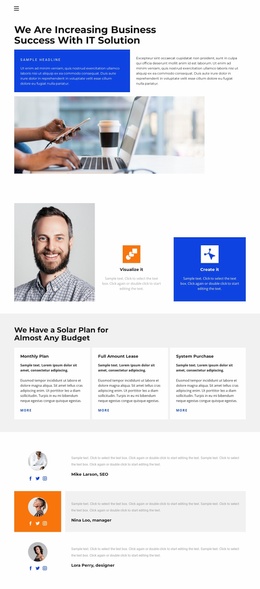
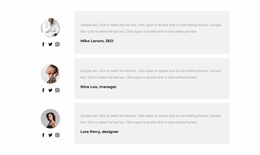
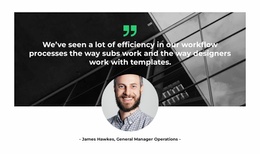
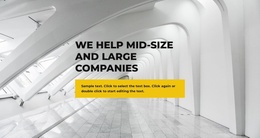
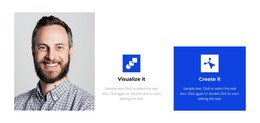
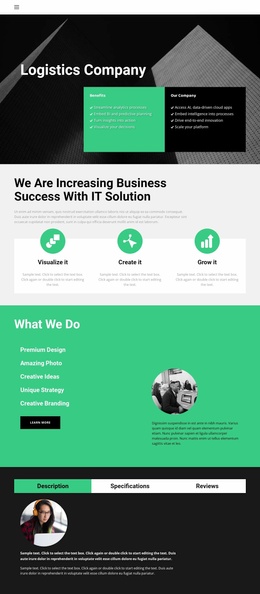
Several major content categories are already visible in the Self-hosting design. The opening business-success message can serve as an initial project statement, while the two feature cards create compact areas for explaining capabilities. Three solar plan labels provide a distinct offer section, and the testimonial rows introduce a reusable pattern for supporting statements with portraits, names, and roles. These are useful foundations for organizing related content without claiming that additional pages already exist.
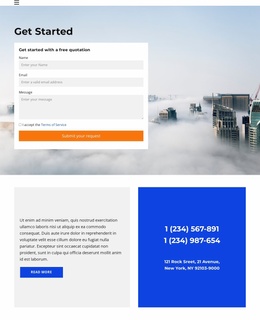
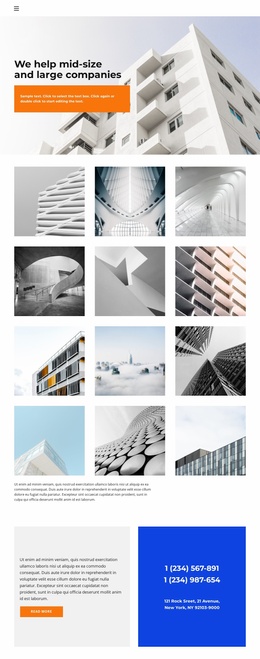
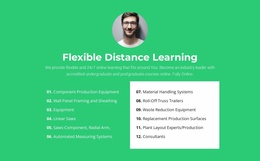
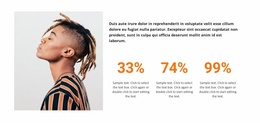
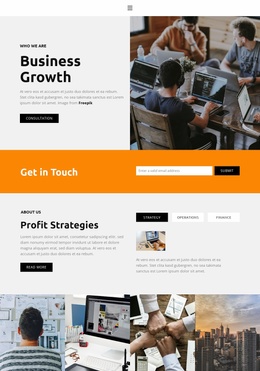
The page also separates people, proof, learning, visual material, and contact information. Two team profile cards can support an about or staff area, while the three percentage highlights create a space for verified results or other structural metrics. The distance-learning section combines a learning message with equipment and consulting labels, giving a broader website project several possible service or capability categories. The six-image gallery can provide a visual content area, and the closing phone-and-address panel supplies a clear contact region.
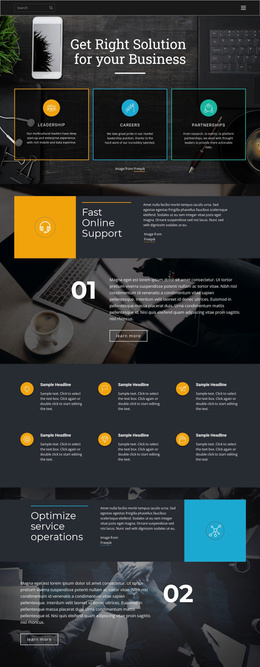
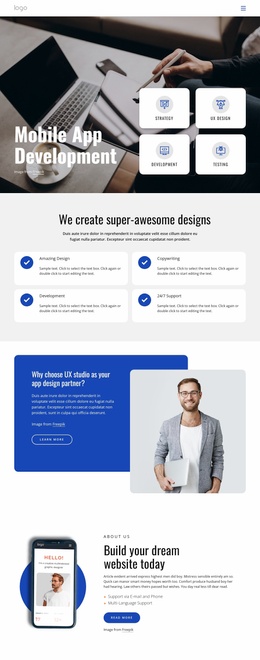
Because the analysis identifies a mixed-topic promotional page, the design should be treated as a starting information architecture rather than a finished multi-page website. A project could preserve the shared blue, orange, and neutral visual direction while separating IT, solar, visa, learning, or equipment content into clearer related areas. Replacing demonstration names, figures, contact values, and sample copy with verified material would be essential before expanding the structure.
Customize with Nicepage
Open this ready-made template in the Website Template Builder and customize it visually in the Nicepage editor. Replace demo content, edit page sections, and adapt the design to your project without rebuilding the template from scratch.
Build a Complete Website From This Template
Customize the Website Visually
Use this ready-made website template as a starting point for your project and adapt its pages visually in Nicepage. Change content, images, typography, navigation, sections, and other design elements while keeping the website together as a single editable project.
Manage Website Pages in One Project
Use the Pages panel to open, add, duplicate, and manage the pages of your website. Work on individual pages while keeping navigation and the overall site structure accessible from the same project, making it easier to develop a complete website instead of managing separate page files.
Expand the Website With Matching Designs
When you need additional pages or sections, use Page Design Sets to find Page and Block Designs created in the same visual style. Design Sets group matching designs together, making it easier to expand the website with new content while maintaining a consistent look across its pages and sections.
Organize Larger Multi-Page Websites
As the website grows, use Page Folders to organize related pages and keep larger multi-page projects easier to navigate in the editor. This is especially useful for websites with separate service pages, company information, contacts, landing pages, and other content areas.
This workflow makes the template a practical foundation for building and expanding a complete website while managing its pages, content, and visual design within one Nicepage project.