
Tailor HTML Templates
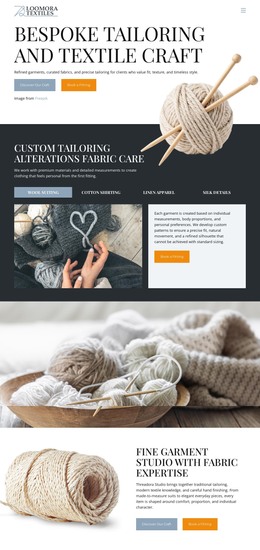
A tailor site must present fittings, alterations, custom garments, and proof of craftsmanship without burying key details. These HTML templates place those needs into reusable, responsive sections with clear markup for focused page production.
-
-

-
-
-
Free Website Builder SoftwareDownload
-
-
-
-



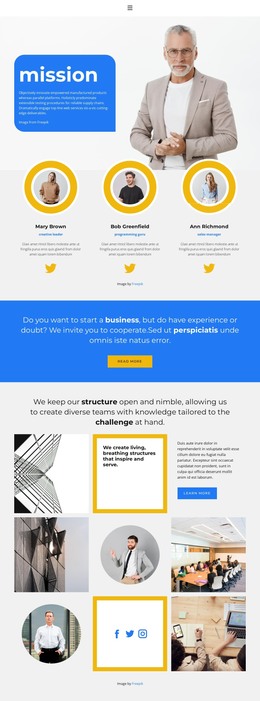
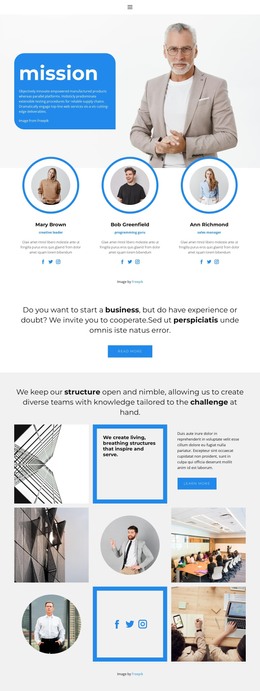
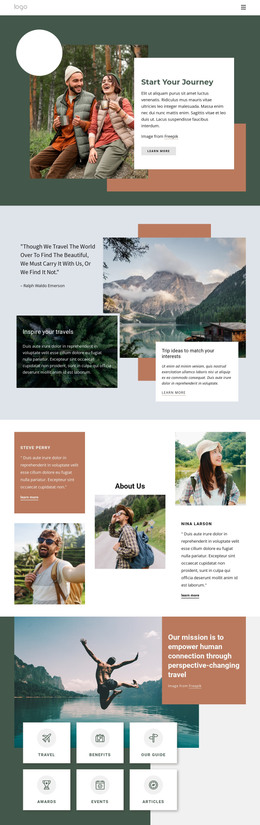
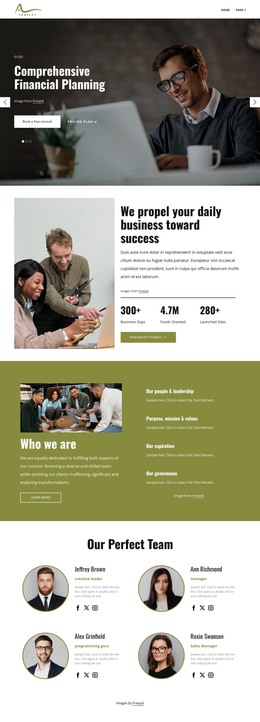


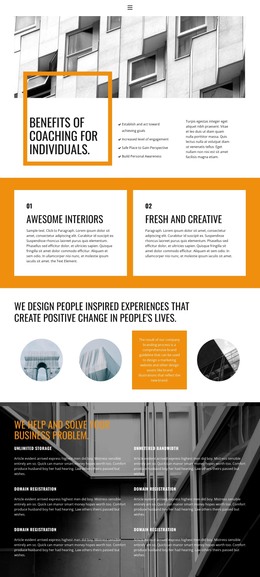
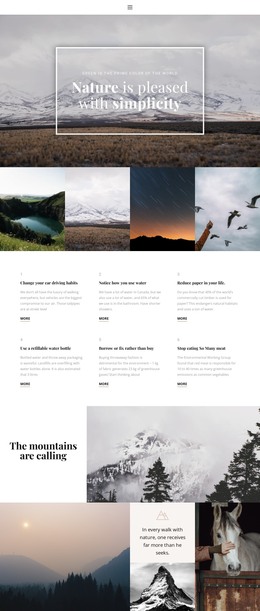

More Website & HTML Templates for Tailor

More HTML Templates from Fashion & Beauty Category

















Other Fashion & Beauty HTML Templates
Tailor HTML Templates for Alteration and Bespoke Studios
A tailoring studio rarely needs a large site, and it almost always needs the files behind one. Tailor HTML templates arrive as a ready-made front end that you can customize, export, and host on hosting you control, with the source left open for a developer to adjust later. What you are picking up is a working layout for hems, commissions, and fittings, already assembled.
Service Blocks That Match Real Tailoring Work
Most studios sell two very different things across the same counter. A trouser shortening is a quick decision that a customer makes and forgets about. A commissioned jacket is a conversation that runs for weeks. When both sit in an identical block, visitors have to dig for what they came for, and that is usually when someone closes the tab.
Blocks worth looking for while you browse tailoring demos:
- Service cards with room for a price and a turnaround time on each common repair.
- A grid built for close photography of stitching, linings, and lapels.
- Before and after slots for restored garments, which sell alteration work faster than any paragraph will.
- A request form with fields for garment type, deadline, and preferred appointment.
Catalogs within a category vary widely, so treat it as a browsing list and expect to add or drop items.
Where Studios Change Files First
Three things get edited in the first hour. The service list goes first, then contact details, then the photography. Everything else in a decent template can wait a week.
Worth knowing before you swap the images: garments shot flat on a hanger read as stock. The same jacket on a person turns a browser into an inquiry, and a studio still running demo pictures a year later looks like a template rather than a workshop.
Exported Templates and Your Own Hosting
Tailoring websites are usually image-heavy because clients want to see the cut, fit, fabric, and finished work. On smaller screens, those images still need to remain connected to the correct garment description or service details. Nicepage's Grid Element documentation explains layouts built from rows and cells that can reorganize responsively. For a tailor, grids can support portfolio pieces, service categories, or before-and-after alteration examples while keeping each item visually separate.
Customizing one of these does not mean opening the source. Sections can be rearranged, and content can be replaced visually, and the export happens once the layout is finalized. The exported files remain available for direct editing afterward, so a developer can wire the request form into whatever the studio already uses to book, or move everything onto an account the owner pays for.
For an alteration shop inside a shopping mall, the line that wins work is about turnaround, and it belongs in the opening block above the photography. A bespoke workshop two streets away would lead with fabric shots instead, because its customers are buying taste and time. Both can start from the same file and end up looking nothing alike.