
Camp HTML Templates
Developers working on camp sites need markup that clearly separates programs, schedules, facilities, and enrollment information. Ready-made HTML sections provide a structured starting point while leaving room for project-specific content and responsive refinement.

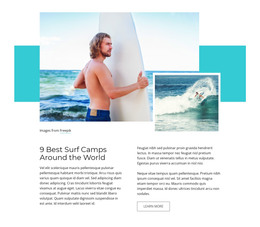




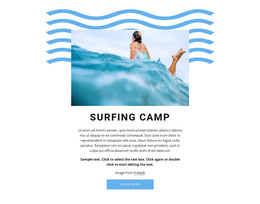

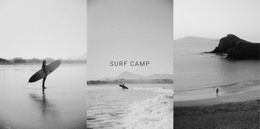

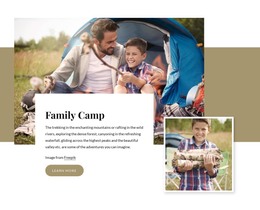








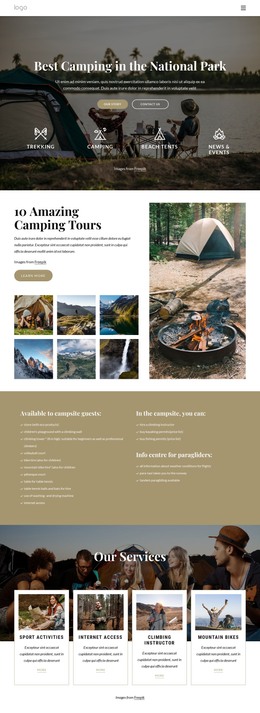
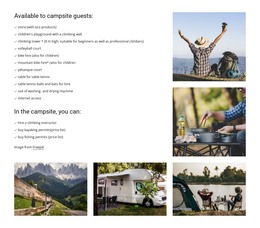

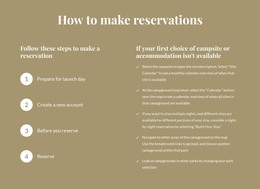
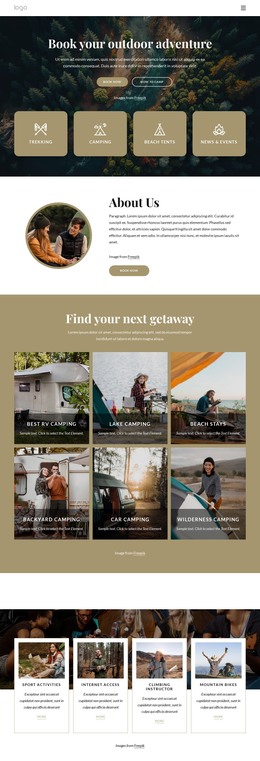
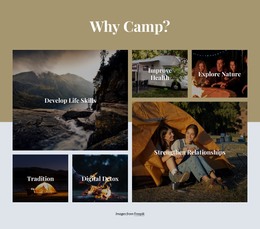
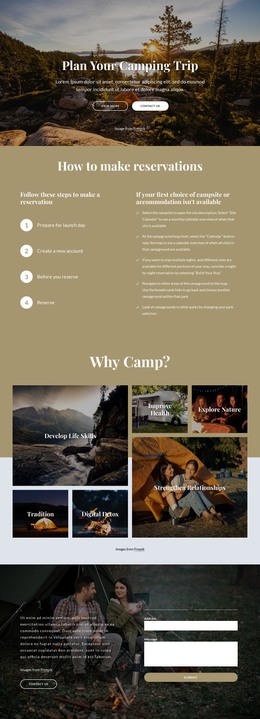



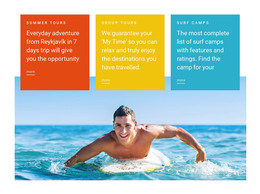



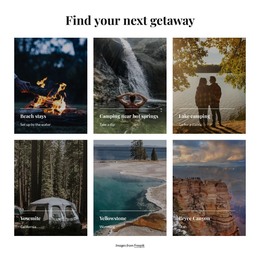
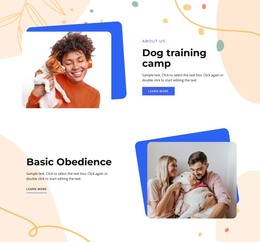
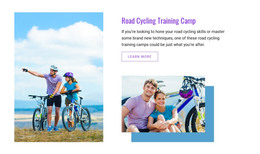
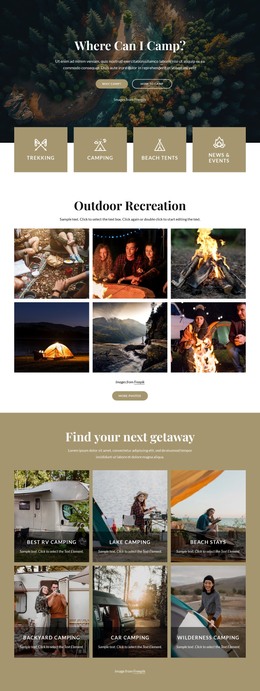
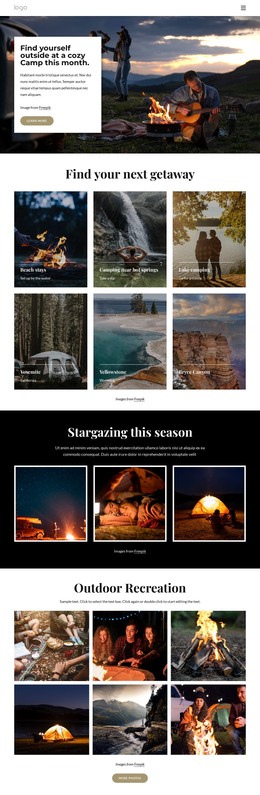

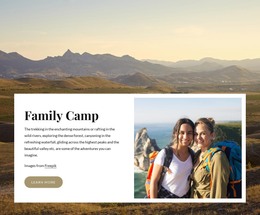

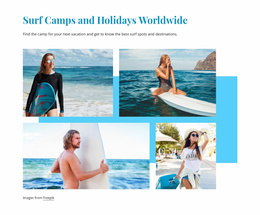
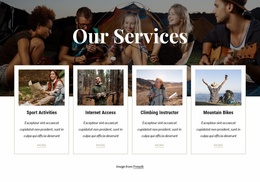


More HTML Templates from Sports Category

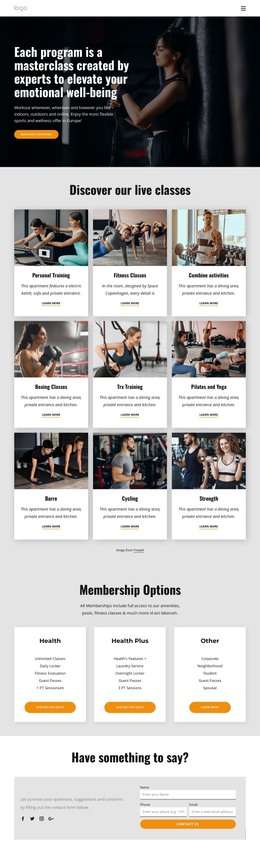
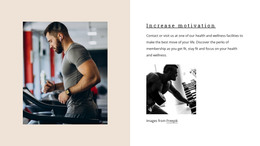
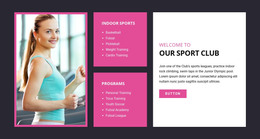

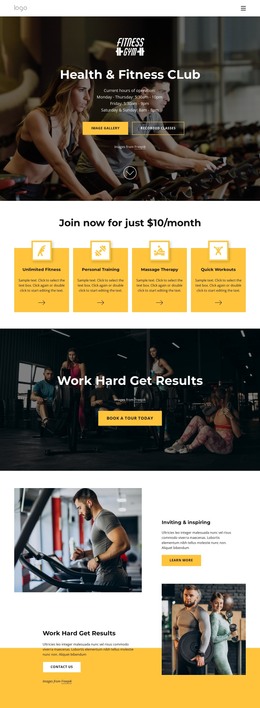
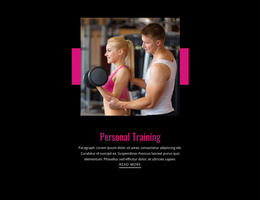
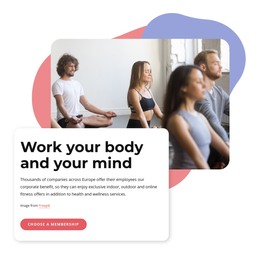

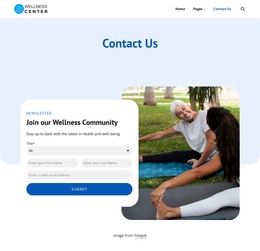
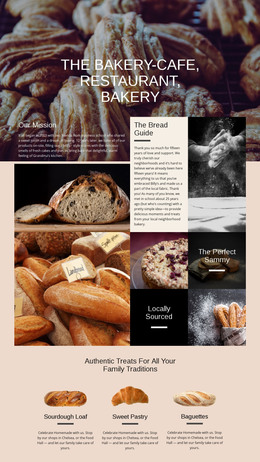















Other Sports HTML Templates
Code-Ready Camp HTML Templates for Custom Builds
A camp HTML template arrives as a finished layout in files you can open and rework. For a developer or an agency picking up a camp project, the appeal is how far along the file already is. Program sections, session blocks, and the inquiry area already exist as working markup, so the remaining job is wiring them to whatever the camp actually runs on, from the office's spreadsheet to a booking service.
Files You Can Edit Directly
A Nicepage project exports as a package of the files needed to publish, and the export documentation explains how it works. Once the archive lands on your machine, the work is ordinary front-end editing:
- Point the session and program sections at your own content, whether it comes from a database or a sheet the office already maintains.
- Add third-party scripts for a booking widget or analytics, since nothing in the exported files locks that out.
- Rework one repeated block and copy the change through every instance of it.
- Upload the result to your own server or hand the files to whoever hosts the client.
Picking a complete site design is a different decision. There you judge how the finished thing looks and which views it covers. Here, you judge a codebase you will be inside for the next two weeks, so the question is how much of it survives contact with real camp information.
Repeatable Session Cards Save Hours
Camp content repeats unevenly, which is why reusable components are worth the attention. One pattern usually has to cover several awkward cases:
- A two-week residential session next to a single afternoon workshop, described by the same fields at wildly different lengths.
- Counselor profiles that change every July, with half the photos arriving late.
- Activity entries that pair an image with two lines of copy and get duplicated twenty times.
- Cabin and dining hall entries, each carrying photos next to a couple of operational details.
Get the pattern right once, and the camp's second season costs an afternoon.
Export, Then Host Anywhere
The exported files run on any standard hosting environment and stay available for direct editing, so the template continues to work as an implementation base once you remove the demo content. Two things usually need attention at phone width: the activity grid and the session list, since both hold repeated items that stack badly.
What decides the choice is how far those sections bend toward one camp's real data before you end up unpicking the file. Everything past that point is your own implementation, starting much closer to done.