
Sports Clothing HTML Templates
Performance apparel needs more than a product name and photo: shoppers compare fit, fabric, size, support, compression, color, and care. An HTML template can keep those details in reusable semantic sections while preserving a readable hierarchy on smaller screens.















































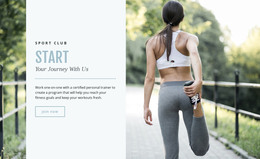
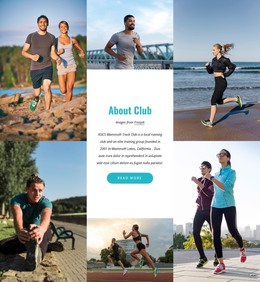
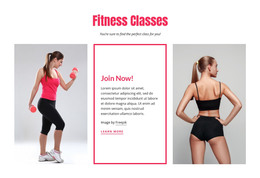
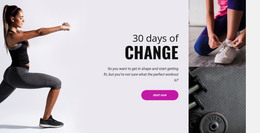



Other Sports HTML Templates
Sports Clothing HTML Templates for Editable Sportswear Layouts
Download a sports clothing HTML template, and the work starts from a finished set of pages instead of an empty editor. The markup is yours to open and change, which is the practical reason activewear developers and small labels choose this format: demo goods come out, a real catalog goes in, and the page structure that already works stays exactly where it is.
Inside the Download
Most sportswear packages arrive with the same core files:
- a homepage layout with campaign areas and featured garments;
- collection layouts for running, training, or outdoor lines;
- a garment page with an image gallery, a variant area, and a specification region;
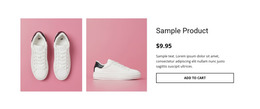
- reusable garment cards that repeat across every listing.
Supporting pages such as a size guide, a contact form, and a brand story usually accompany them. The value is not the sample photography, which you will replace anyway. The fact is that the regions repeat, so the twentieth garment takes the same few minutes as the second.
Editing Markup With Real Catalog Data
Swapping a demo store for a working one tends to run in one order:
- replace sample garment names, prices, and imagery with your own;
- rename the demo lines to the activities you genuinely sell;
- extend the variant area to a full-size run and every colorway;
- fill the specification region with fabric, care, and support information.
None of that requires rebuilding a page. The Grid Element guide covers how related specification areas sit in responsive cells, with columns on wide screens and a clearer vertical order on phones.
Fit, Fabric, and Size Blocks
Here is where sportswear parts meet a general shop. A running top wants ventilation notes and reflective details sitting near the fabric line. Compression tights want a support level beside the size run, not three scrolls below it. Sports bras need a support category near the top of the page, since it decides the purchase more often than the colorway does. Insulated layers need water resistance and packability where a shopper can see them without opening a tab.
A good package leaves room for all of that in the garment layout, rather than one undifferentiated block of text. Before delivery, open the same page in phone view and confirm that the heading order still makes sense, and that the garment facts remain grouped when the columns collapse. Editing mobile views separately in Nicepage makes that check quick.
Judge a sportswear package by the messiest product you sell. If it looks tidy there, the rest of the catalog will follow.