
Therapy CSS Templates































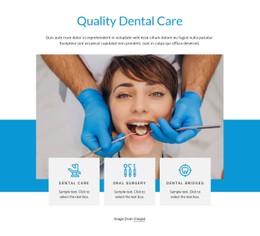
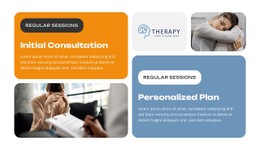







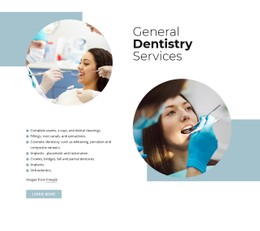




















Other Medicine & Science CSS Templates
Customizable Therapy CSS Templates
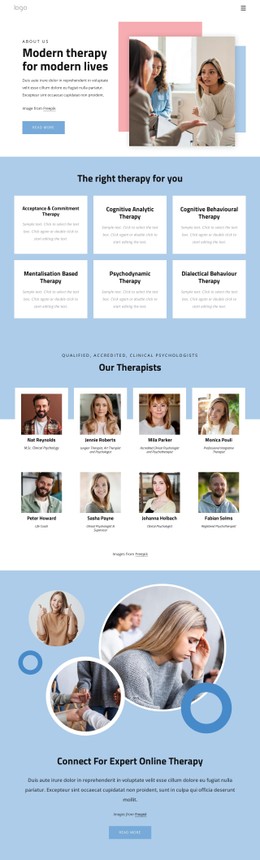
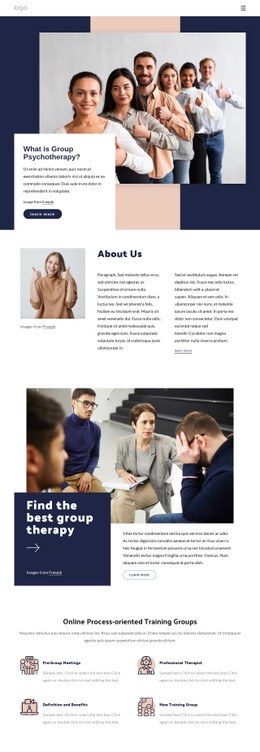
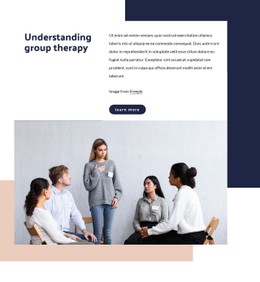
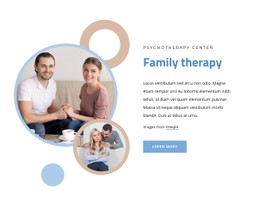
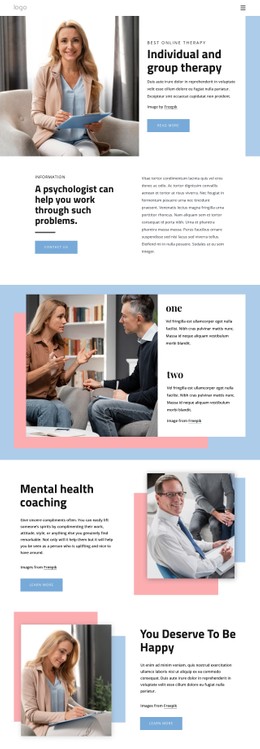
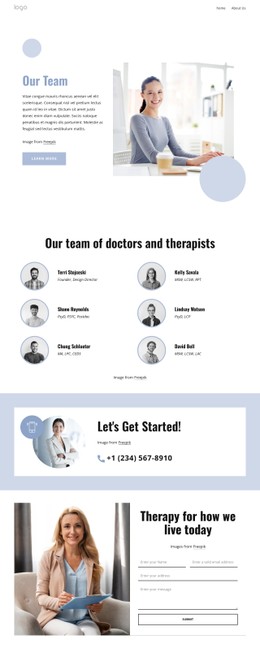
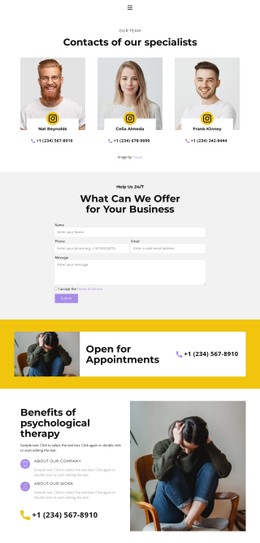
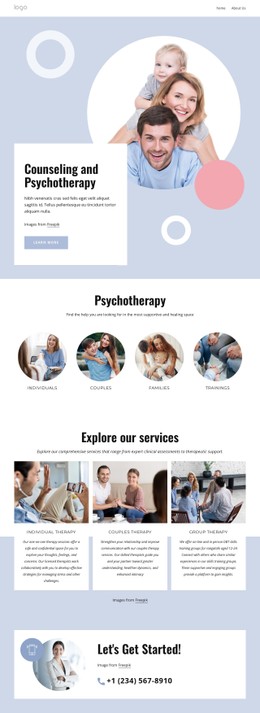
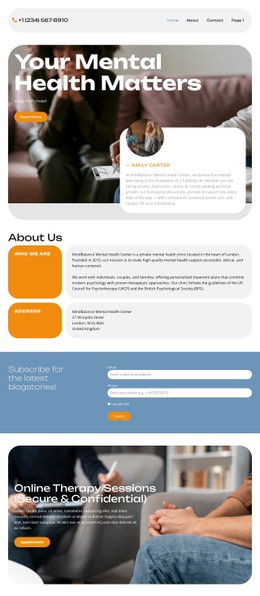
Therapy CSS templates enable private therapists, counseling centers, mental health clinics and rehab services to create calm and easy-to-read websites. CSS handles colors, fonts, spacing, buttons, page balance, and mobile layouts. This allows designers to have complete control over how sensitive information appears on each screen. Why does easy access to such content matter? About 137 million Americans live in a designated mental health professional shortage area.
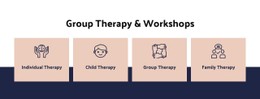
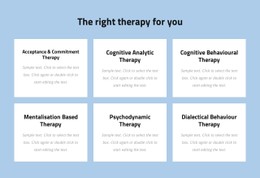
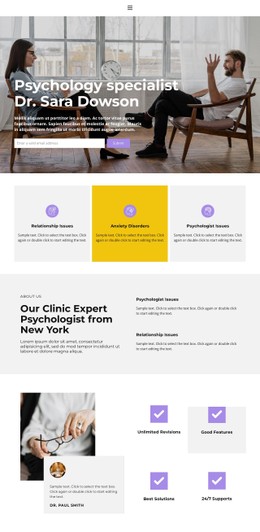
The therapist's landing page can show types of therapy, profiles of specialists, fees, insurance information, and appointment forms, without visual clutter. Simple guidance is also needed for people with complex conditions. Among adults with both mental illness and substance use disorder, 41.2% did not receive either form of treatment. A counseling landing page can make the support options more visible and more readable. The psychotherapy service page also makes it easier for clinics to keep a consistent style between service pages, resource sections and contact forms.
Flexible Style Controls for Therapy Brands
A therapy website should feel consistent, calm and very true to the character of the practice. Flexible CSS controls make it easier to modify the visual identity without having to adapt each section separately. This is helpful for independent therapists, counseling centers, and wellness practices that might add new team members or update services over time.
A useful CSS base should give direct control over the main visual rules:
- Color Variables
- Type Scales
- Flexible Grids
- Responsive Breakpoints
Type scales keep headings and body copy in visual balance, while color variables let the entire palette shift from a single central place. Therapist profiles, service cards, and contact details are arranged flexibly across different page widths. Responsive breakpoints ensure that the same content can be read on phones, tablets and larger screens.
Minimal CSS Sections That Support Decisions
Qualifications and areas of support provide insight into the therapist’s professional background and focus for visitors. Meeting details can be specified as in-person, online or both. Clear fee information also reduces the uncertainty before the first conversation.
Clients need a few clear facts before they make contact. Give each fact a visible place:
- Therapist Credentials
- Support Areas
- Session Format
- Payment Details
- Client Reviews
- Contact Form
- Office Details
Therapist credentials can help build professional trust, while support areas help visitors understand if the practice is the right fit for them. Reviews can be reassuring, and a short contact form makes it easy for visitors to ask questions or make an appointment.
View a User-Friendly Therapy Style System
Review therapy CSS templates, choose a visual direction, get the design, and edit style rules for your practice. Create a unique page today and make all services easier to read, understand and contact.