
Journey Website Templates
Travel projects often need separate space for routes, destinations, stories, photos, and inquiries. Journey website templates connect these pages through shared navigation and a coordinated, easy-to-expand full-site structure.































































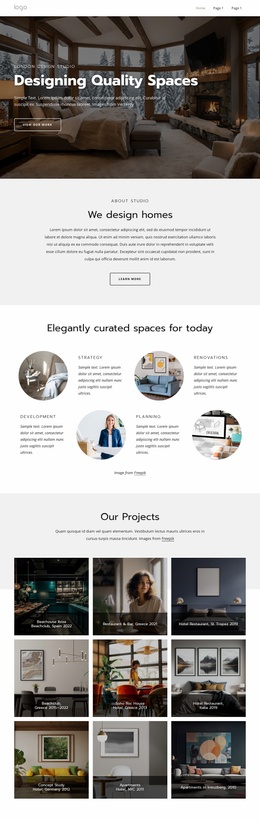


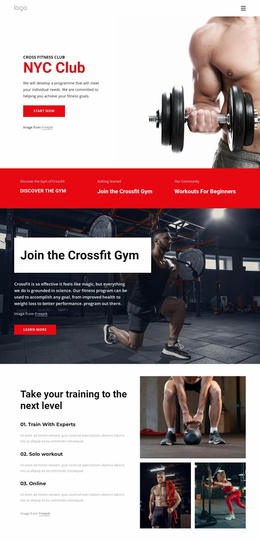


Other Travel & Hotels Website Templates
Advanced Journey Website Templates
A small tour company rarely gets by with a single journey page. Inspiration has to connect to real routes, honest dates, and an easy way to ask a question, and all of it should look like one brand. Journey website templates give that frame: a header, a menu, and page layouts that already match each other. Travel is the obvious use, although the same structure suits any site built around a path or a story.
Give Each Destination Its Own Section
A journey site holds together when every type of content has room to breathe while still pointing back to the same trip. The home page introduces the overall idea and the routes worth opening first, destination pages cover places and local background, and itinerary pages cover stops, dates, and what happens each day.
Most journey sites settle into the same handful of pages:
- A home page with two or three featured routes
- Destination pages for individual places
- An itinerary page with day stages and activities
- An inquiry page for the questions that follow
That separation matters as soon as several journeys share one site. A company running coastal sailing weeks in summer and cultural city routes in autumn needs a way to present both without rewriting what they share. Nicepage covers the multi-page side through its Site Basics, which describes Project Websites and the pages inside them.
How Visitors Compare Two Itineraries
Travel decisions are rarely linear, and a visitor choosing between two trips will double back several times before writing to anyone.
A typical visit moves through a short sequence:
- Photos that make one destination look worth the flight
- The itinerary behind it, with dates and daily stages
- Background on the company, since a two-week trip is a real commitment
- The inquiry form, reached without hunting for it
A Website Menu keeps those points one click away at any moment, and Theme Settings hold the visual side together, so a romantic destination story and a dry day-by-day schedule still feel like the same company talking.
Adding Routes as the Project Grows
New trips appear far more often than a site gets redesigned, and that is where a template either helps or gets in the way. Permanent pages stay where they are while a fresh route slots in underneath, and the menu, header, and overall look stay untouched.
A second season is the honest test. The menu gains one entry, the new itinerary inherits the existing design, and the home page needs at most a new photo. Journey website templates pay off when growth costs so little.