
Dubai HTML Templates
Property agencies, hotels, travel operators, restaurants, and local service brands need pages that identify offers and locations without visual clutter. A ready-made HTML structure gives those Dubai-focused sections a consistent hierarchy that adapts across screen sizes.
More HTML Templates from Travel & Hotels Category


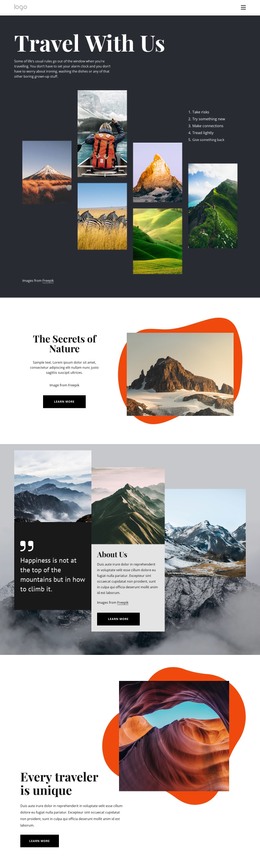
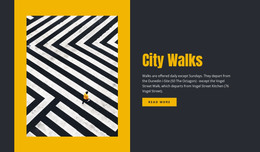
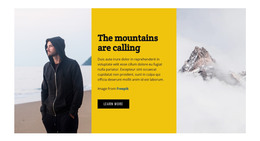
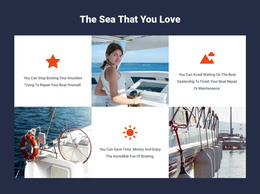




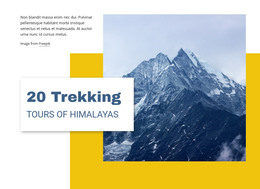
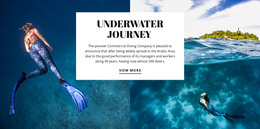

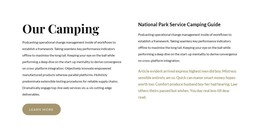
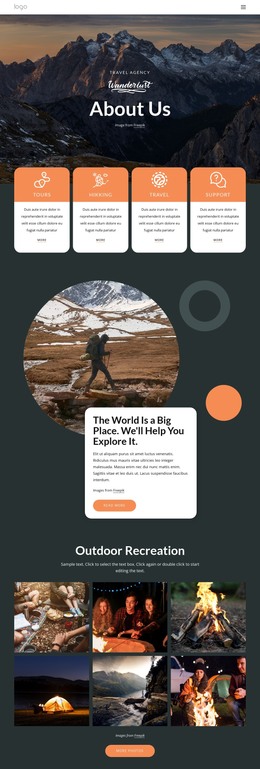





Other Travel & Hotels HTML Templates
Dubai HTML Templates for Agency, Property, and Travel Sites
The Dubai collection includes finished HTML designs ready for your own content. Property developers, marketing agencies and hotels pull from the same shelf here. Nothing starts on a blank canvas, so the first decision is which layout best matches the site you have in mind.
Choosing a Design That Fits Your Project
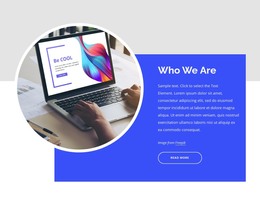
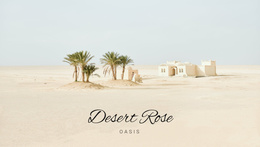
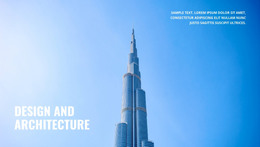
The designs pull in different directions, each with a different job. A marketing agency based in Dubai maintains a corporate tone and focuses on services and leads. We Build Skyscrapers leads with photography, which a brokerage or architecture studio needs for a project portfolio. Journey To The Oases moves toward travel, with room for routes and destinations.
Before settling on one of them, it pays to look past the hero screen:
- whether the inner pages cover what you actually publish, from developments and rooms to tour destinations
- whether the imagery matches your material, since skyline shots carry a construction site and desert scenery a travel one
- where the call to action sits, since a brokerage inquiry and a hotel booking request need different placement
- how the layout holds at phone width, where the gallery, the contacts, and the map stay readable
Which Blocks Matter Most
A design is easier to judge by its parts. Service and project cards do the commercial work on an agency or developer site, where the offers and the units live. Galleries feature architecture and travel subjects, since a row of images conveys the work more quickly than a description. A map block earns its place on a location-driven page, a development's sales office, or a restaurant. Nicepage's Google Maps Element documentation explains how to add a map to a block and configure it with an address or point. You can duplicate, reorder, or remove blocks, so a design that starts close can usually be adapted the rest of the way.
Export, Hosting, and Later Updates
The main advantage of the HTML version is that the finished site can live on its own, with no CMS behind it. You walk away with a set of exported files for your own server, delivered to a folder, as a ZIP, or via FTP. They stay open for manual editing, so a developer can add custom scripts or move everything to different hosting later.
That fits a Dubai project edited occasionally instead of fed daily, say, a development showcase updated when the next tower is announced. If two designs still look equally good, scroll both demos to the bottom. The one whose sections already match the offers and imagery you plan to publish needs the fewest changes.