
Trekking HTML Templates
Trail operators, trek clubs, and outdoor guides need route pages that stay easy to scan on phones. These HTML templates provide reusable sections for itineraries, difficulty notes, seasonal advice, guide profiles, and trip contacts within adaptive markup.
-

-

-
-
-
-
-
-
-
-
-
Free Website Builder SoftwareDownload
-
-
-
-
-
-
-
-
-
-
-
-
-
-
-
-
















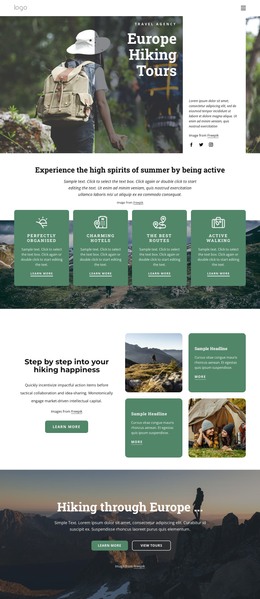




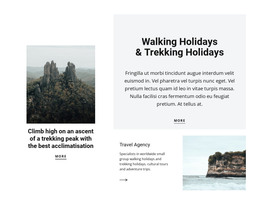


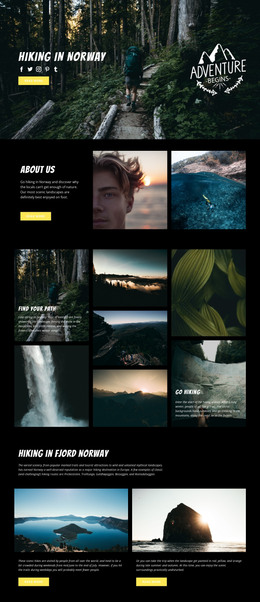
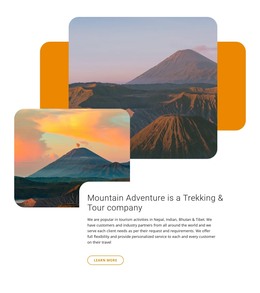


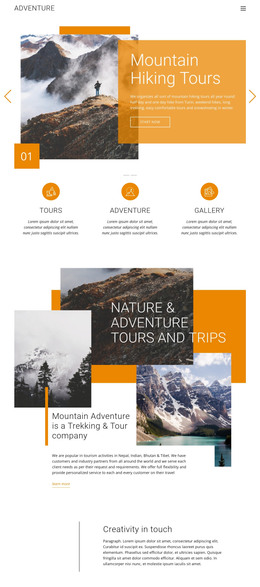

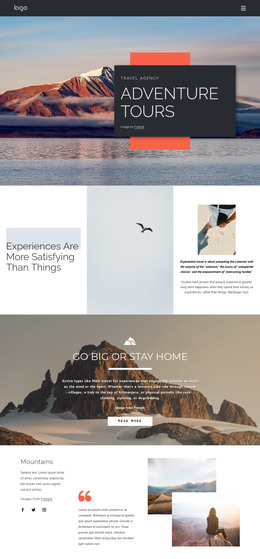
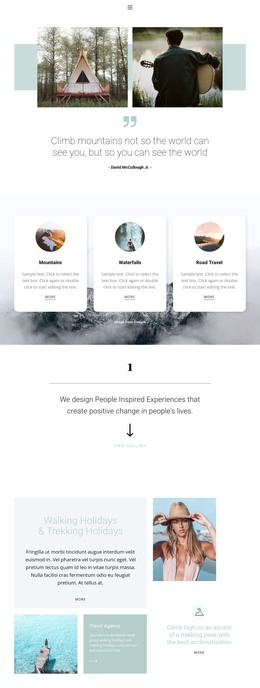
More Website & HTML Templates for Trekking

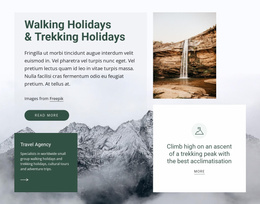



More HTML Templates from Travel & Hotels Category











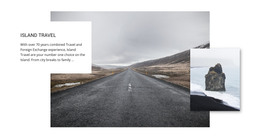







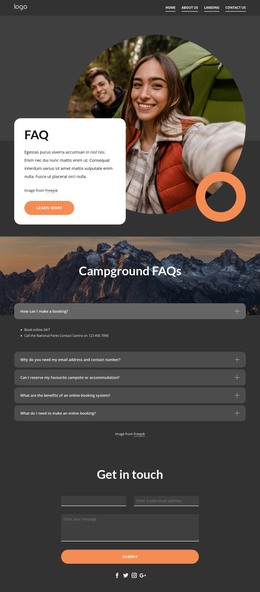



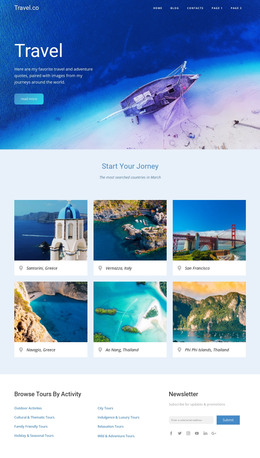

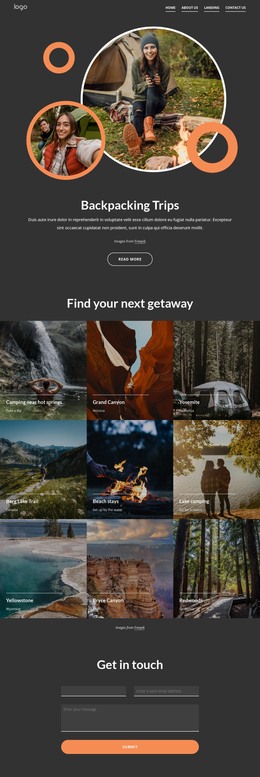




















Other Travel & Hotels HTML Templates
Highly Responsive Trekking HTML Templates for Trail and Tour Sites
An operator shopping for a trekking HTML template usually wants two things at once: a demo that already reads like a trail site, and files that stay open for editing afterward. What arrives is a set of ready-made HTML pages and reusable page sections, so the work ahead is to fill them with routes, itineraries, and photographs, and to edit the structure where a trek needs more.
HTML Pages a Trekking Site Needs
Templates differ most in the pages they ship. A home page proves very little on its own; the set that carries a trekking business is the trek listing, the single route page, and the inquiry page that follows. Counting those in the demo pays off, because adding a page type the design never anticipated costs far more than swapping text.
Open the demo and check which parts of the structure are already built:
- A trek listing section ready for the whole catalog of routes.
- A single route page with separate areas for itinerary stages, altitude, and gear.
- Guide profiles and departure details held inside that same page structure.
- A gallery section already sitting in the markup.
Operators run one page structure across every route, and that repetition is the point of the format. Nicepage's Grid Repeater Element repeats a single content structure across cells, while each keeps its own text and images.
When This Format Fits the Project
The format suits a site published once and then maintained in the code. Three situations come up again and again:
- A trekking club whose route catalog grows by a few trails every season.
- An agency that duplicates the ready trek page and swaps the itinerary and photographs.
- An expedition site rebuilt before each departure window and published again as a set of files.
Since the package is a set of front-end files, the project can go to a developer as-is, and the markup remains open once the visual editor has done all it can. The pages also arrive ready for phones.
Structure Checks Worth Making First
One test settles most of it. Take your longest itinerary, a full guide biography, and the route with the most practical notes, then see whether the demo has a home for each or whether something gets squeezed into a section built for another purpose.
After that, look at how the set is organized: how many pages come with it, which sections can be reused on a new trek page, and how much work the eleventh route costs once the first ten are live. Those answers say more about the next two years than the opening screen ever will.