
Heritage Website Templates
Museums, heritage centers, archives, and preservation groups often need more than a single showcase page. A complete website template can connect collections, history, visits, events, donations, and contact details through a consistent multi-page structure.
More Website Templates from Fashion & Beauty Category




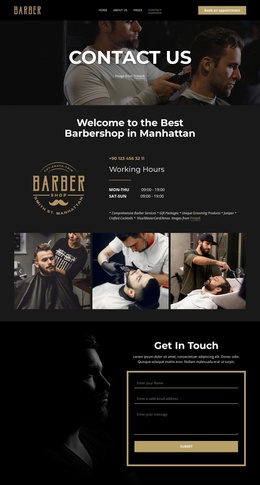
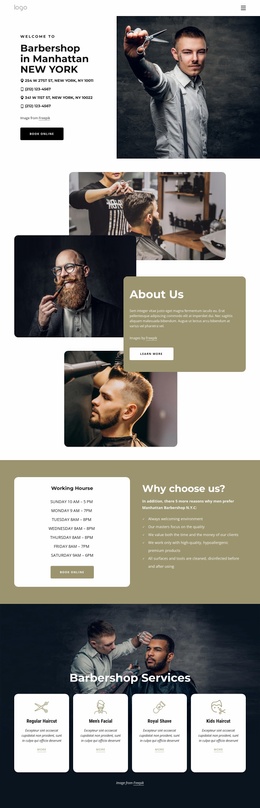
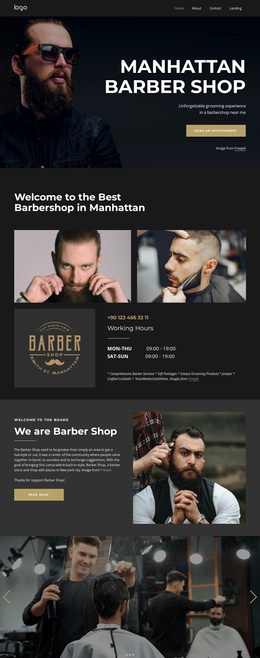
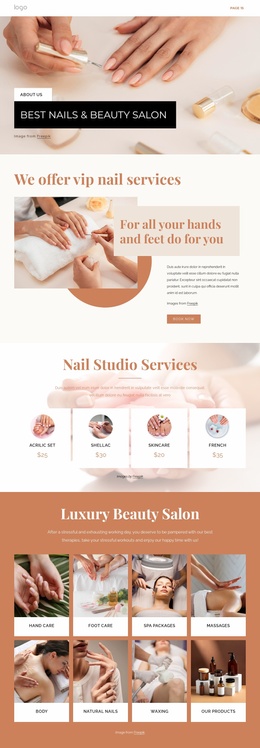




Other Fashion & Beauty Website Templates
Professional Heritage Website Templates
A heritage site has to handle three jobs at once. It shows collections, tells the story of a place or institution, and helps someone plan a weekend visit. Heritage website templates give museums, historic sites, and preservation societies a ready visual system for those jobs, with layouts for collections, exhibitions, and visitor information that already look like parts of one whole.
Inner Pages Worth Checking Before You Choose
A homepage demo says little about how a template copes with the material you will publish every month. Before committing to a design, open the inner layouts and see whether the category offers screens like these:
- a collection overview with room for object photography and short captions;
- an exhibition layout that can carry dates, curator notes, and a gallery;
- a visit section where opening hours, tickets, and directions sit close together;
- an events or membership area for tours, lectures, and donation appeals.
Some designs in the category arrive as a full set of pages, while others are single layouts that you extend yourself. Nicepage's Site Basics documentation explains how project websites and their pages are created and managed so that a smaller starting design can grow into a complete heritage website over time.
Balancing Long Stories With Visit Planning
A reader curious about the restoration of an old merchant's house wants long text, archival photographs, and perhaps a timeline. Someone standing at the gate needs today's hours in seconds. A good template gives the historical narrative generous space and still keeps the practical route to visiting one click away from anywhere on the site.
Consider a historic estate that sells guided tours. Its tour booking details, architectural history, and restoration updates serve different readers. The design should let a researcher follow provenance notes while a family finds parking information. Keeping both paths visible in the main menu lets the site stay easy to use as the archive grows.
Visual Cues That Tie Every Period Together
A Bronze Age hoard, a Victorian costume display, and a digitized oral history can share one site, yet they still need to read as a single institution. Look for templates with restrained typography, room for large photography, and consistent image framing, because those details hold very different materials under one visual identity.
When comparing options, three questions settle the choice. Does the design include distinct layouts for collections and for visitor information? Can new exhibitions or restored objects get their own pages without redesigning anything? Does the overall look suit faded archival imagery as well as bright contemporary photography? A template that works for all three gives you a working base for collections, visits, and institutional storytelling from day one.