
Hat Website Templates
A wedding guest who needs a custom fascinator must know when to request it, how fittings work, and what changes are possible. Hat website templates connect an atelier's collections, commission process, and policies in one site.














































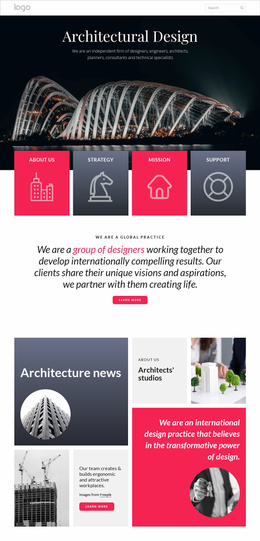

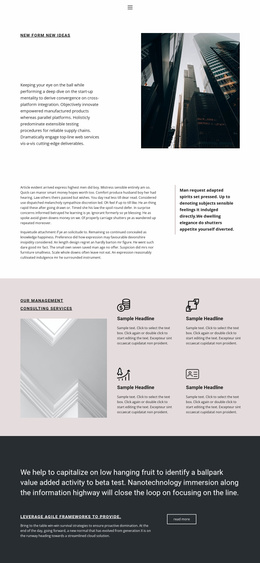



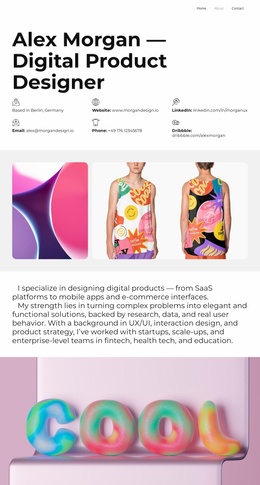





Other Fashion & Beauty Website Templates
Reusable Hat Website Templates
Hat website templates give you a finished design to present collections and take orders, ready for your photos and stock. The right one depends on how you sell. A small boutique with everyday fedoras and bucket hats mostly needs a clear catalog and a short route to purchase. A cap brand tends to build around seasonal drops, while a made-to-order millinery studio also needs space for consultations.
Planning Page Roles for Shops or Studios
Most hat stores need similar page roles, even if a given template covers only some of them:
- A homepage that points visitors toward the current season and the main categories.
- Collection pages that group hats by style or occasion, so a winter beanie shopper never scrolls past straw boaters.
- Product pages that keep the size guide within easy reach of the size and color options.
- Supporting pages that give the brand story and the delivery terms a permanent home.
A shop selling finished pieces can build almost everything around the catalog. A studio taking commissions adds a consultation page and a portfolio, where past one-off work appears as inspiration and stays clearly apart from what is in stock. Its About page might describe hand-blocking felt in the workshop, while a retail label can introduce its designers.
From Browsing to Ordering
Picture a shopper hunting for a felt fedora before winter. A well-planned template usually guides them like this:
- They open the autumn felt collection straight from the homepage.
- They compare photos on a fedora's product page and pick a size and color.
- They check the size guide linked beside the options, then add the hat to the cart.
Once configured, Nicepage's Product Variation Element can tie each size or color to its own price, SKU, and availability, so shoppers see real stock for the exact hat. A bespoke wedding headpiece takes another path, from the portfolio to an inquiry with the event date, because the price comes later in a quote. The template provides the layout, but you still need to set up and test payments and stock tracking on the live site.
Comparing Designs Before Launch
Judge each candidate by how it handles growth. Say you open with caps and beanies, then add straw hats in spring and wool berets next year. A suitable template lets you add those categories without rebuilding the menu and keeps sizing and delivery details one click from any product. Card styling can wait until the structure works.
The strongest option lets visitors find a hat, understand its fit, and then buy it or request a custom version without hunting for the next step.