
Tailor Website Templates
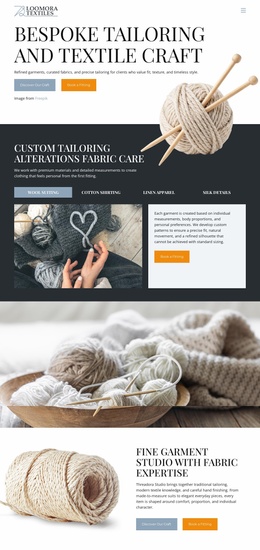
A tailor website needs more than a list of services: clients should move from craftsmanship and alterations to fitting details, studio information, and contact options. Complete website templates connect those pages through consistent navigation and a ready-made site structure.
-
-

-
-
-
-
-
-
-
-
-
-
-
Customize Any TemplateDownload
-
-
-
-
-



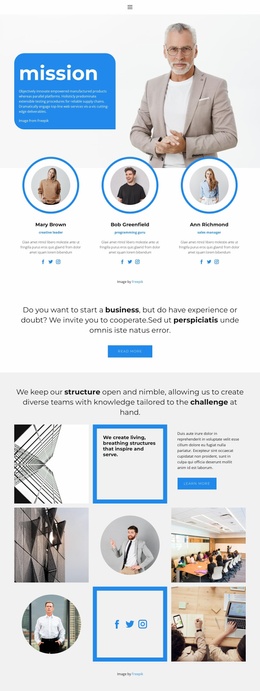
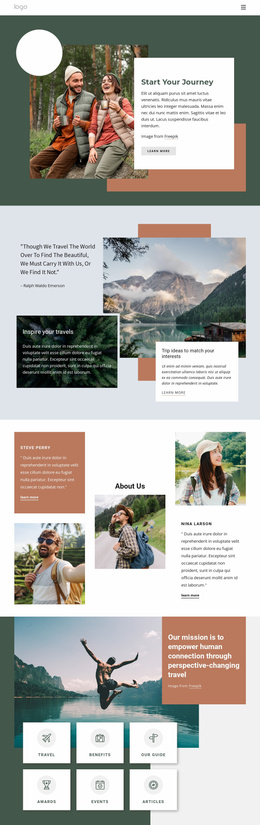
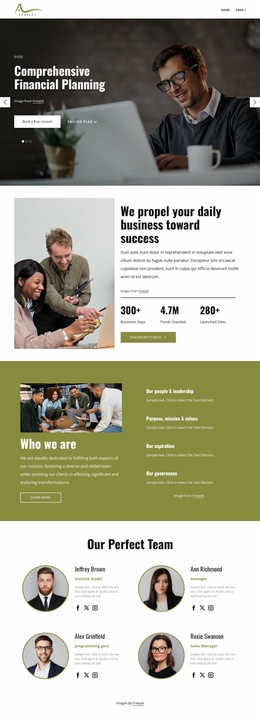
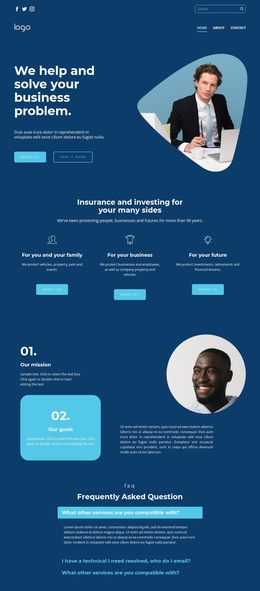
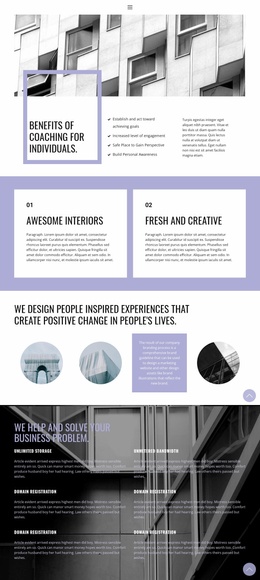

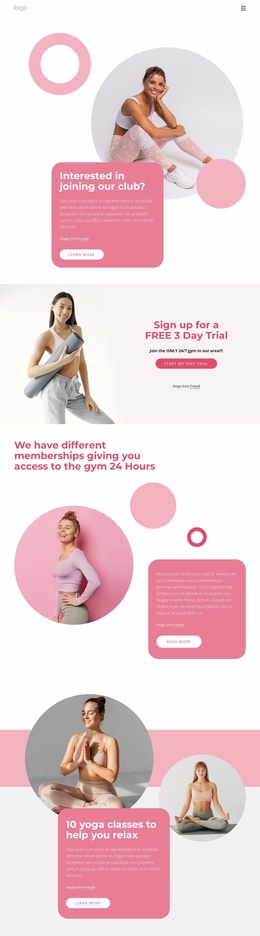
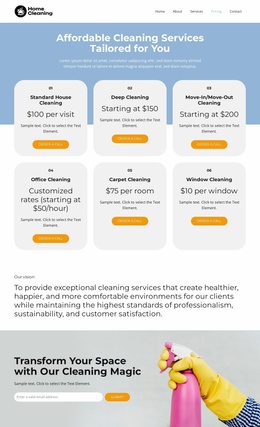
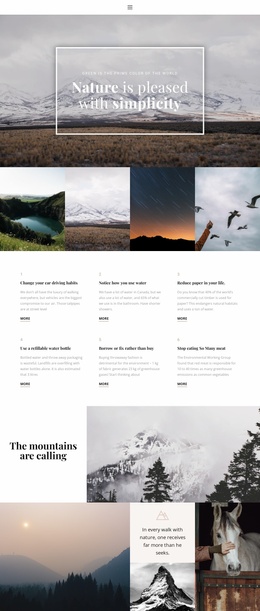
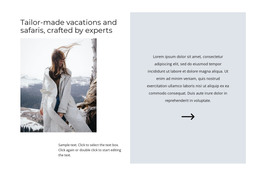
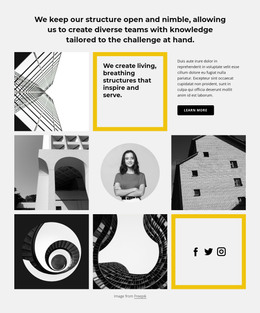

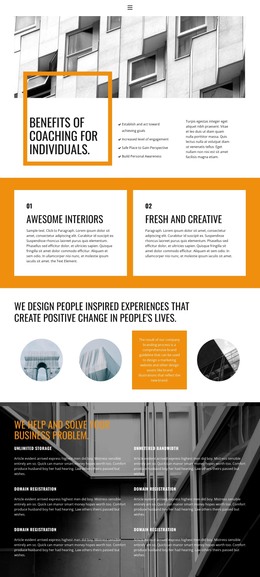

More Website Templates from Fashion & Beauty Category
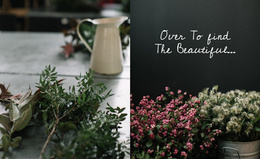

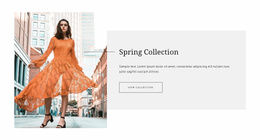
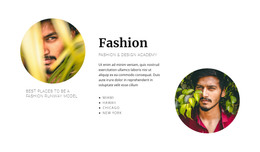
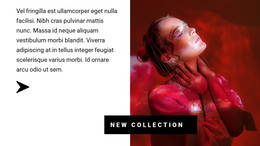


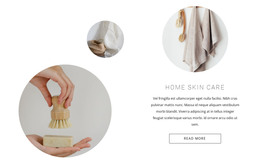




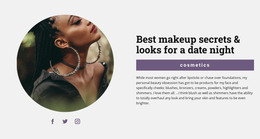
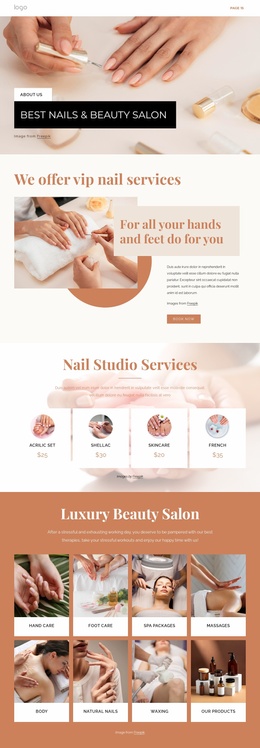



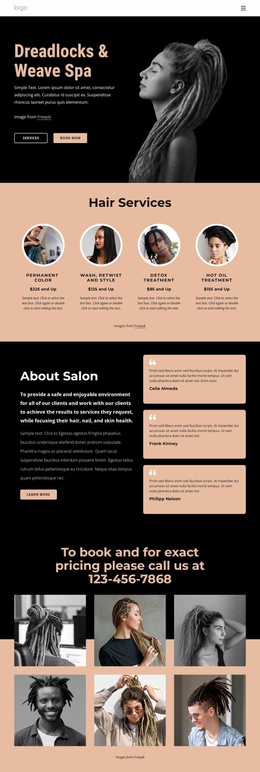
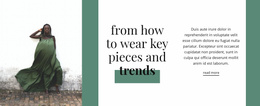
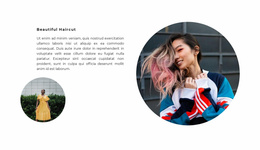
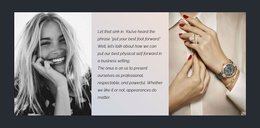


Other Fashion & Beauty Website Templates
Professional Tailor Website Templates for Growing Studios
A repair shop and a bespoke atelier can both call themselves tailors and still need almost nothing in common from a site. Tailor website templates help because the visual design is finished, and what remains is content and the pages a particular studio actually uses. Some come as a full set of screens; others as a single design you extend later.
What Clients Look For Before Booking a Fitting
Visual trust is the phrase every template seller uses, and on its own, it means little. In tailoring, it comes down to the evidence a visitor takes in within seconds, such as a photograph where the lapel roll is visible, a review from a customer whose wedding suit arrived on time, or a price displayed above the inquiry form.
Sections that earn their place on a tailoring site:
- A portfolio arranged by garment instead of by date, so a coat buyer skips the shirts.
- Testimonials attached to the work they describe, with the garment and the occasion named.
- Visible pricing, even as ranges, for the services people order most often.
- Opening hours and directions are repeated site-wide because much of this traffic is already outside.
Give an Atelier Story Its Space
Craft businesses lose money by being modest. A cutter who still drafts patterns by hand, or a shop on the same corner for decades, has a story that does not belong in a footer. It is often the reason a client walks past a chain store and books a consultation.
Pages worth adding once the basics are live:
- A studio narrative with photographs of the real workroom and the people finishing garments.
- A fabric library or lookbook a client can browse before an appointment.
- A short questions section covering turnaround, alteration policy, and what to bring.
Designs built for a growing project make that painless, since global colors, fonts, and header settings sit in one place and new pages inherit them.
Menu Choices Worth Testing Early
The menu is where a template quietly earns or costs inquiries. Five items are plenty for most studios, and a dropdown listing every garment category reads as homework.
Two more checks before you commit. See whether the booking link remains accessible while someone scrolls, and whether the portfolio loads on a weak phone signal, since garment photography is the heaviest element a tailoring site carries.
Then hand your shortlist to someone who has never set foot in the studio and ask them to price a jacket alteration and book a Saturday slot. Whatever they manage without asking you is what the design is worth.