
Arabic Website Templates
A complete Arabic website needs more than a strong homepage. Coordinated page roles, consistent navigation, and a reusable visual system help visitors move between services, company information, and contact paths without losing context.
More Website Templates from Landing Page Category

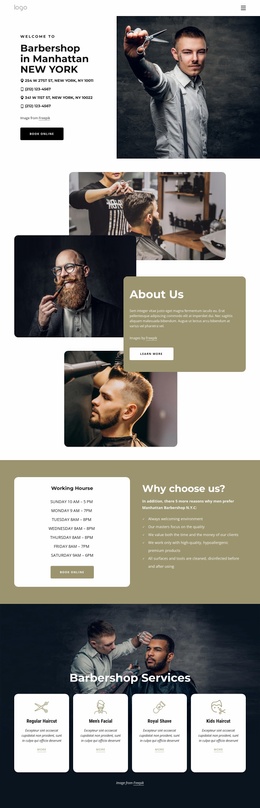
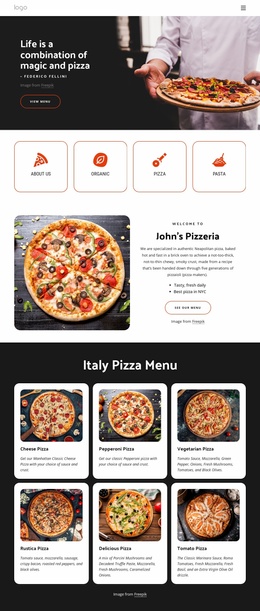


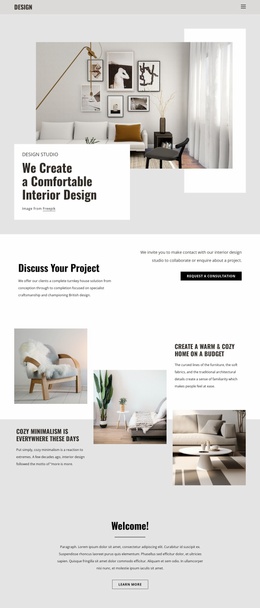

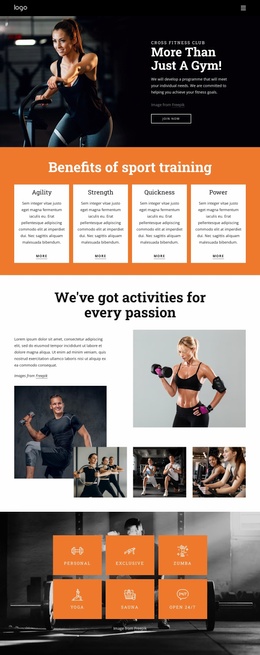

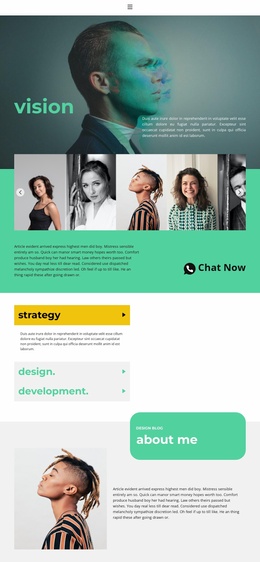

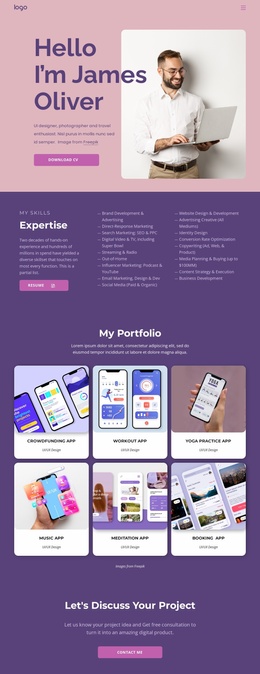

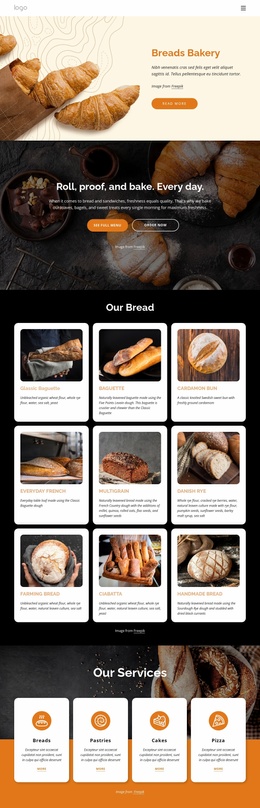
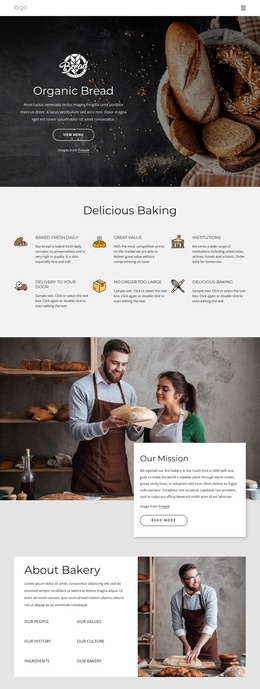






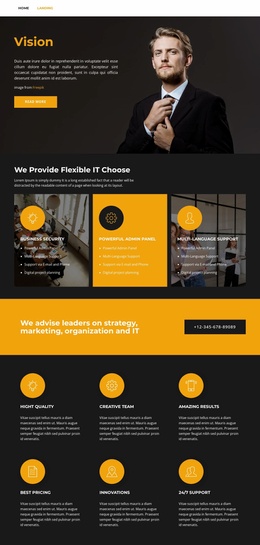
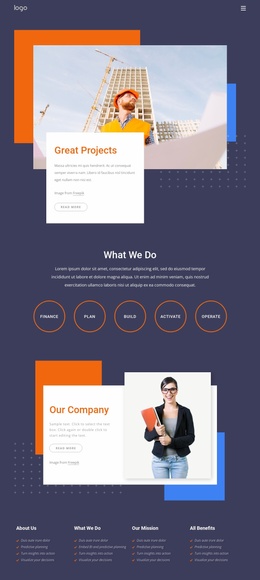

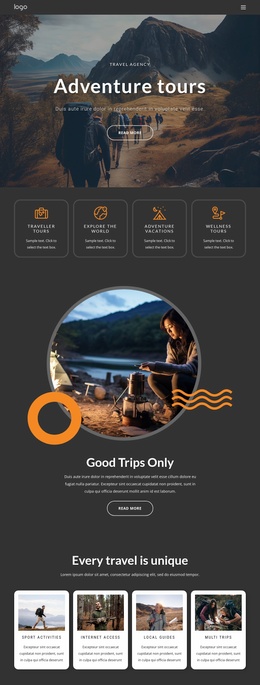
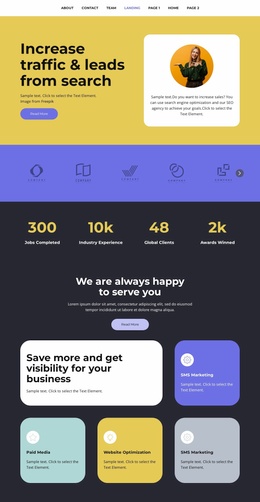


Other Landing Page Website Templates
Professional Arabic Website Templates for Complete Sites
A training center with eight programs cannot fit all of them on one screen. Neither can a clinic listing its departments or a contractor whose portfolio grows every season. As soon as the content splits into separate pages, the work becomes structural: what lives where, how a visitor gets there, and what happens when the company adds a service next spring. Arabic website templates already have that structure in place.
Give Every Page One Job
A multi-page site holds together when each page answers a different question. The homepage introduces the company and sends people onward. A service page explains one offer in detail. The contact page collects the response, while the company page carries the credentials that make the response likely.
A ready-made Arabic page set usually covers the same ground:
- a homepage that opens into the main sections;
- separate pages for services or programs, so each one can rank on its own;
- an about page for licenses, history, and team;
- a contact page with a form, a map, and working hours.
The split also gives the site room to grow. A new service becomes another page within the existing structure rather than another block on an overloaded homepage.
Menu Labels in Arabic and English
Navigation is where Arabic sites diverge most from their English originals. Menu items sit on the right, dropdowns open the other way, and a label that takes one word in English can take two or three in Arabic. A horizontal menu that fits six English items may need shorter labels or an earlier breakpoint once the Arabic labels are added.
Bilingual projects raise the stakes further. When the same site runs in two languages, both versions share the page hierarchy, while the direction, the menu order, and often the font change between them. Checking the longest Arabic label against the tightest part of the header saves a rebuild after the site is already full of content.
Repeated Headers, Footers, Typography
Consistency across a multi-page project is a maintenance question more than a design one. The header, the footer, and the type styles appear everywhere, so a template that keeps them in one place saves the work of editing each page by hand. Nicepage holds the header, footer, and site style at the project level, and a menu edit or a font change applies across the whole site at once.
Sites that start with a coherent set of pages tend to remain coherent. Whatever is added later, a new department or a second-language version, fits into an existing structure, and the visitor never notices that the site has grown.