
Experience CSS Templates





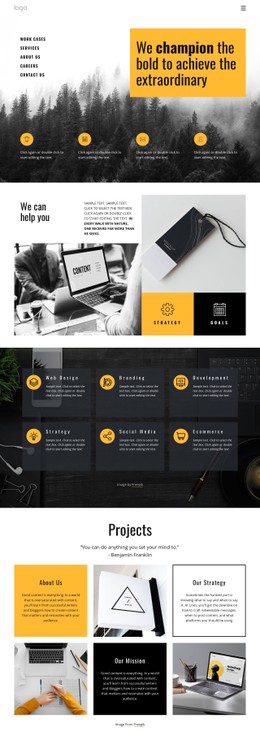
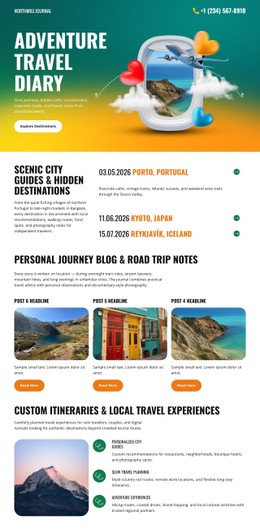
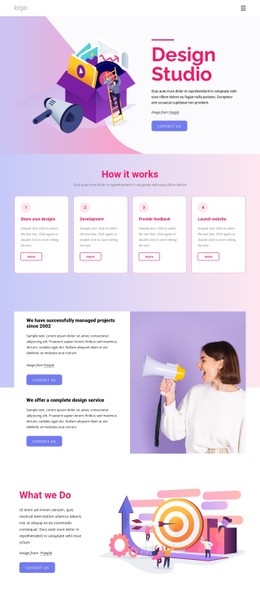
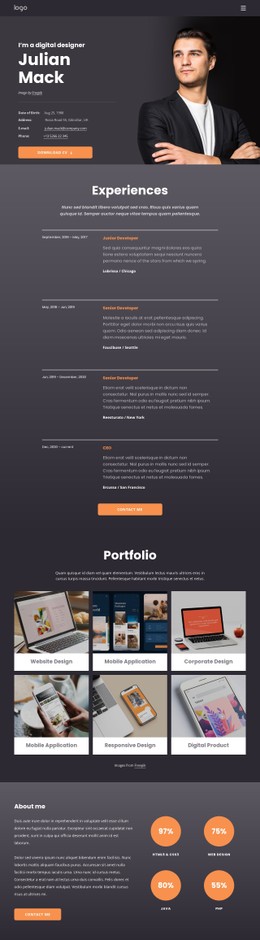


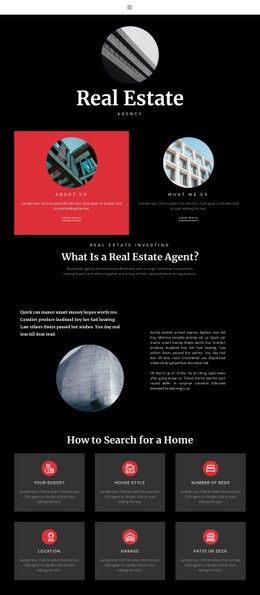
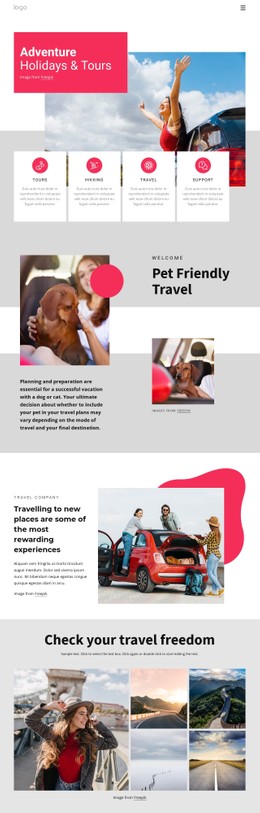
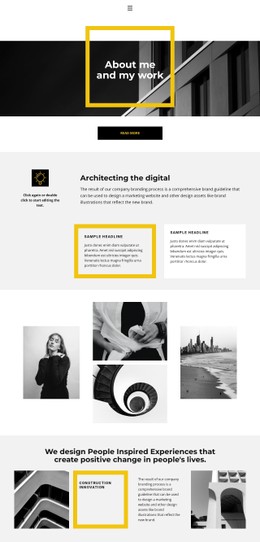
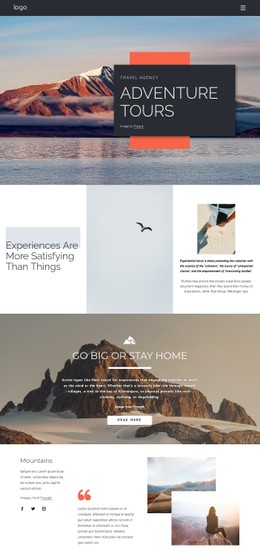
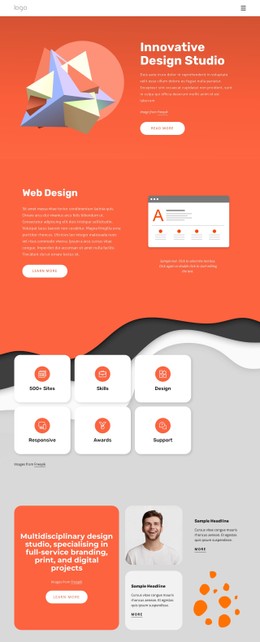
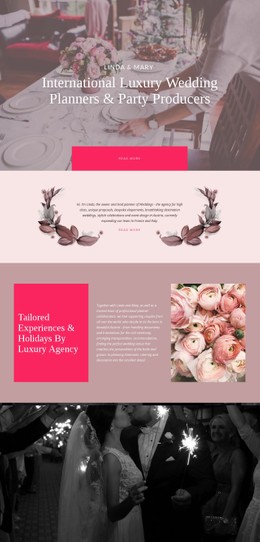
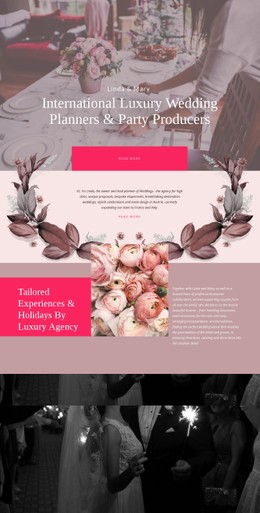

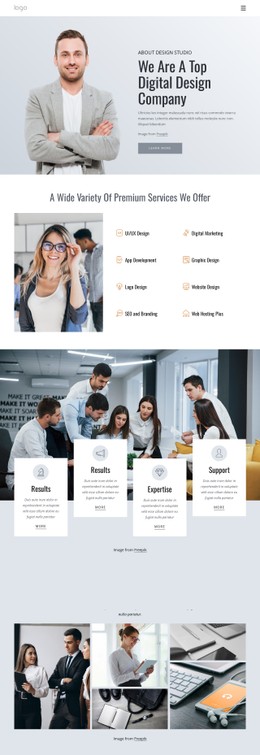
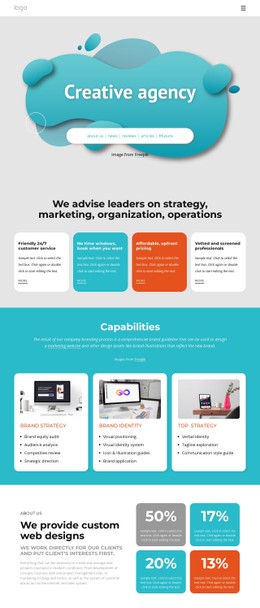
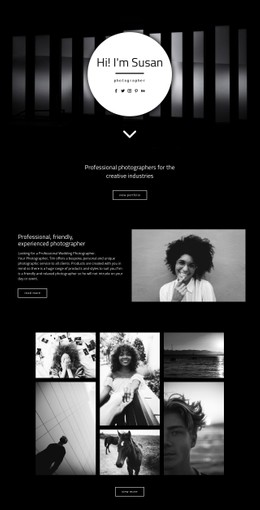
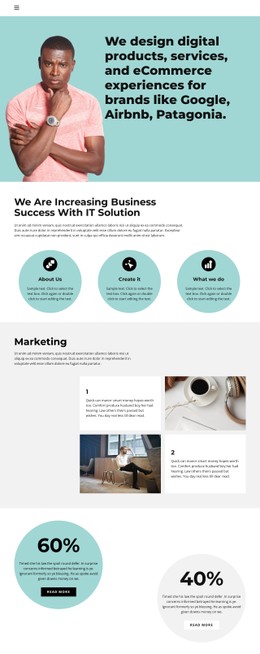
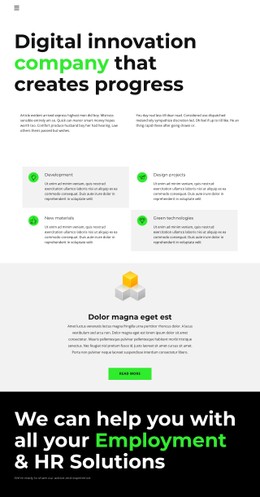
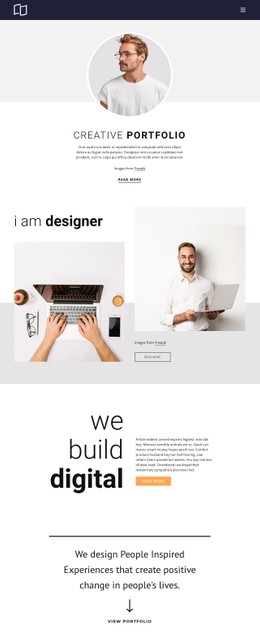
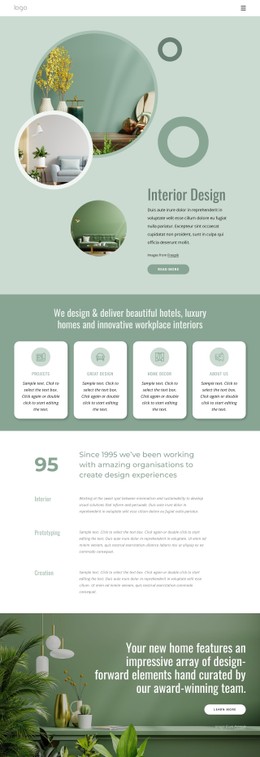
Other Business & Law CSS Templates
Shape More Immersive Digital Journeys With Flexible Experience CSS Templates
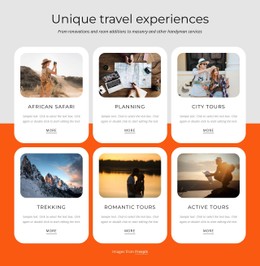
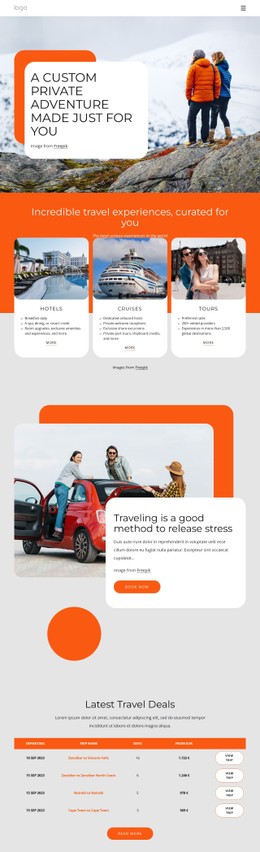
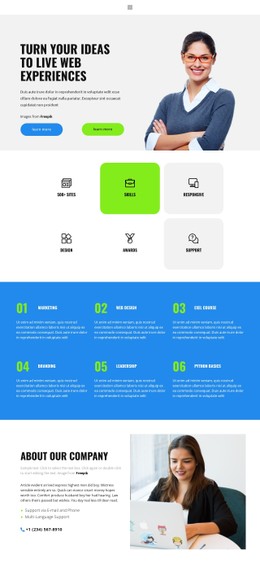
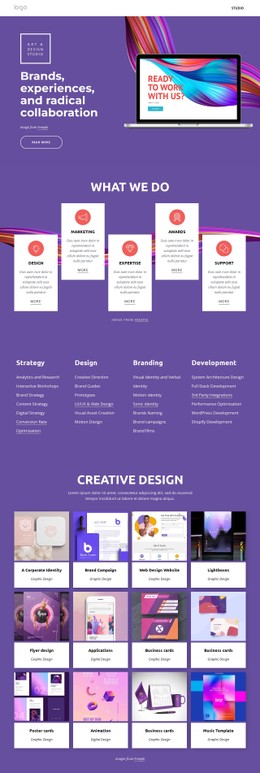
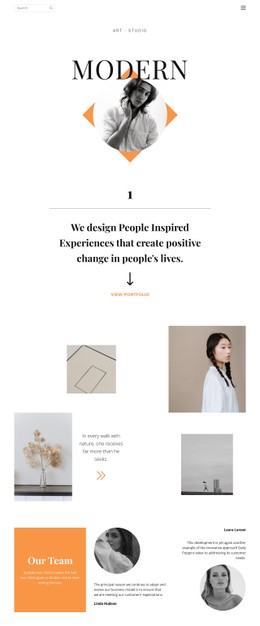
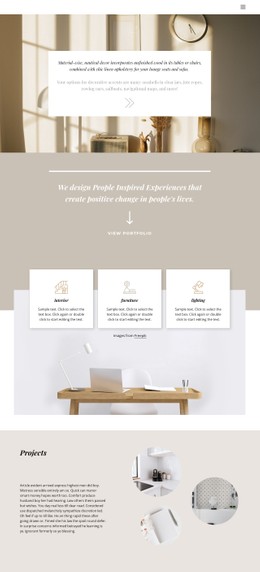
People often start forming an opinion about an experience before they have read the full description. The first photographs, the way a page moves, and even the space between sections can affect whether they continue exploring. A hiking expedition may offer an impressive route. A leadership retreat could have a highly useful program, while a music festival may bring together artists people genuinely want to see. Still, all of that can feel less interesting when the website is crowded or difficult to follow. Experience CSS templates help organizations control typography, spacing, and visual hierarchy so the page feels clear from the beginning. After all, visitors cannot become interested in an experience if the presentation makes them leave too early.
These templates can support very different ideas. A culinary tour company might use them to present destinations and stories from previous guests through visually rich content blocks. A professional development program may focus on learning outcomes, speaker profiles, and participant achievements.
CSS supports over 16 million colors. If you don’t want to set any of them manually, there are around 150 preset color schemes available.
Benefits of Styling for Activities, Events, and Programs
With these solutions, you get to fully control the visual layer of your portal. Want to change colors? That’s easy. Need to experiment with typography? You’re welcome.
Below is what you get:
- Responsive styling for all modern devices.
- Flexible typography for stories and informational content.
- Customizable visual systems for different brands.
- Better spacing between sections and activities.
- Stronger emphasis on key highlights and calls to action.
- Editable styling components for future updates.
Encouraging Exploration Through Better Visual Design
These capabilities help organizations create polished websites without sacrificing the clarity people need when they are comparing schedules, requirements, and booking options. Designers often appreciate CSS templates because they provide structure without making every project look identical. Each of them can now establish its own identity while still providing visitors with a smooth, predictable browsing experience.
A uniform style will also make future additions easy. New software does not need to come up with its own design for a page. Temporary highlights can include seasonal events, while permanent highlights will always appear in the same place on the site. As the site becomes larger, a cohesive look keeps things linked rather than disjointed.
Launch Websites That Feel Engaging From the First Visit
A visitor often decides within a very short time whether a website deserves more attention. This does not mean every page needs dramatic effects or constant animation. It means the first sections should feel clear, relevant, and pleasant to explore. Go to Nicepage and take a closer look at the available layouts now. Experiment with them today and improve the way your site looks.