
Real Estate HTML Templates


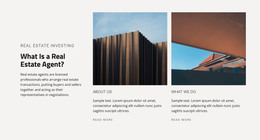




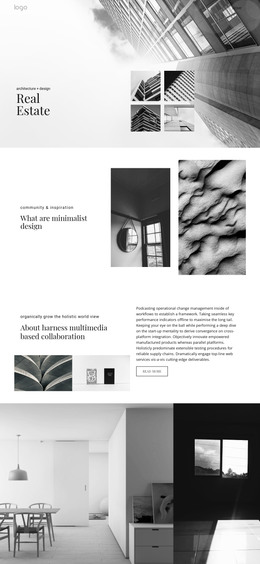







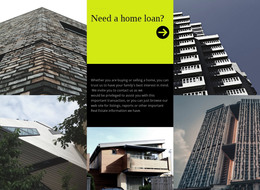
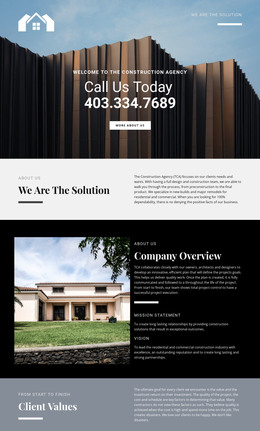
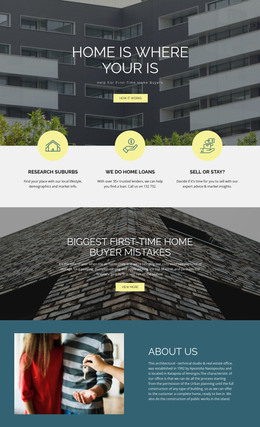
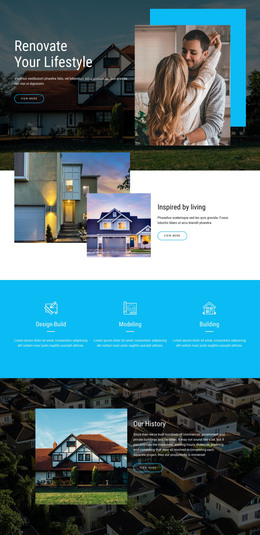
















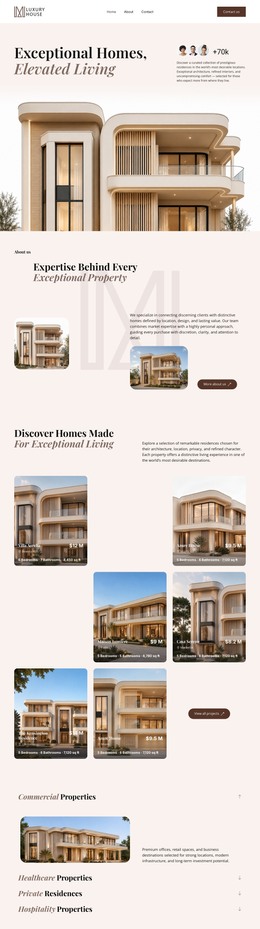



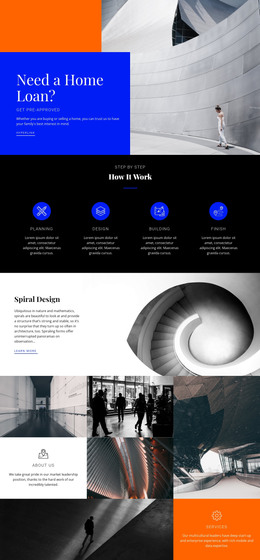



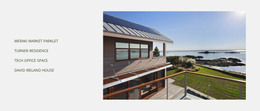





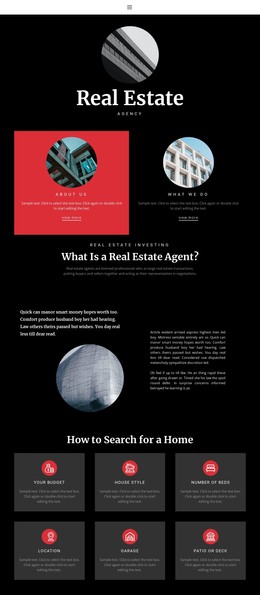
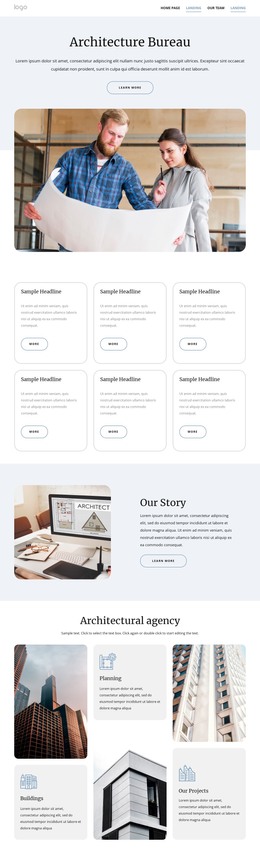
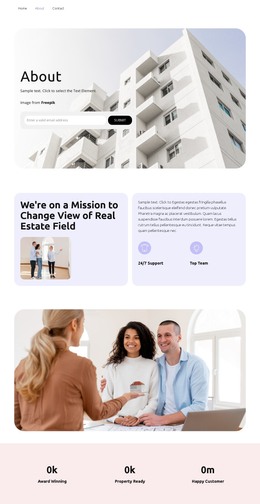








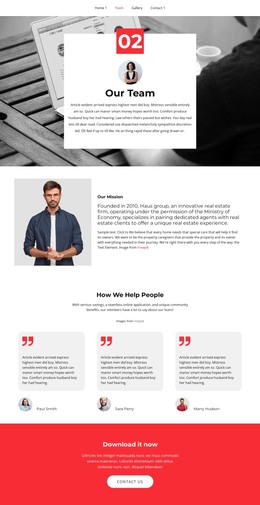







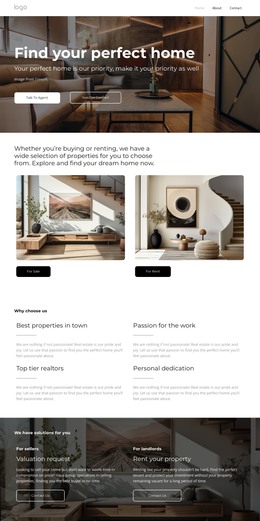
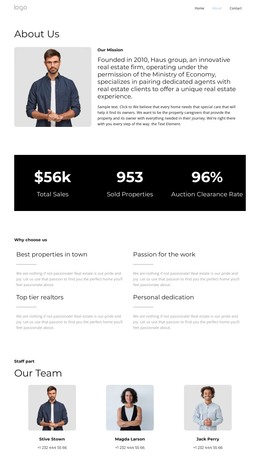
























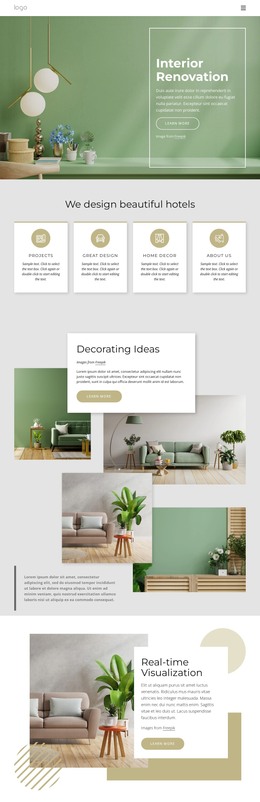


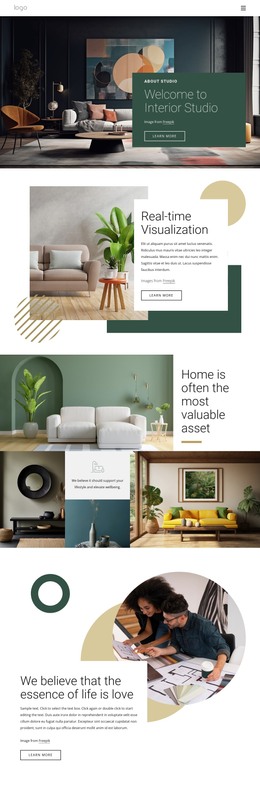

Other Real Estate HTML Templates
Showcase Properties With Simple Real Estate HTML Templates
People do not usually choose a property after one quick look. They compare prices, check locations, look at photos, read about amenities, and try to understand whether a place really fits their plans. Some visitors may be searching for a family home. Others may be reviewing rental options, commercial spaces, or investment properties. Real estate HTML templates help keep all this information organized. They give agencies and property businesses a clear structure for listings, services, market details, and buyer resources. After all, a real estate website should make property research easier, not make visitors open too many disconnected pages. Nicepage offers responsive HTML frameworks, editable content sections, and flexible page structures that help property businesses create professional websites more efficiently.
You can use these templates for many parts of the property market. A residential agency can organize home listings, neighborhood guides, and buyer resources in separate sections. A commercial real estate company may use real estate HTML templates to present investment opportunities, office spaces, and market reports in a more structured way. Property management businesses can also benefit from these layouts because tenant resources, maintenance details, and service information need to stay easy to find. And the result feels much more practical because visitors can compare important details without feeling lost.
The total value of the U.S. real estate market is estimated at around $1.76 trillion. These figures are based on revenue generation and transaction volume. This market is currently led by the residential sector.
Structured Markup for Listings and Property Information
With a good markup, it gets much easier to organize all components of a single page. After all, real estate portals often feature many sections to present their offers.
Here are the main advantages of these templates:
- Highly responsive layouts for modern devices.
- Universal sections for listings and property details.
- Structured markup for better content organization.
- Very adaptable content blocks for market reports and resources.
- Editable HTML blocks for customization.
- Reliable foundations for growing property portfolios.
Better Organization and Improved UX
These solutions make things easier for developers. They provide a reliable framework for handling property inventories, so new listings, location guides, and service pages can be added without rebuilding the whole website structure. This is highly useful for agencies that update listings often.
Visitors probably benefit the most. One should recall how people search for property online. Someone looking for a new home may want to compare locations, square footage, amenities, pricing, photos, and viewing options before making a call. An investor may need quick access to returns, market notes, and property types. A well-structured website helps place those details in a logical order, so the decision process feels much easier.
Create a Real Estate Website That Supports Property Discovery
Want to make listings easier to browse, compare, and request? You can use real estate HTML templates for that. Nicepage offers layouts for agencies, brokers, developers, property managers, and investment firms that need a stronger online presence. Explore the collection and create a website that can help buyers, renters, and investors find the right opportunities with much less effort.