210 Industrial WordPress Themes
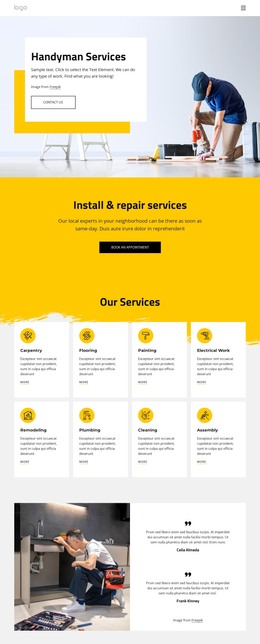

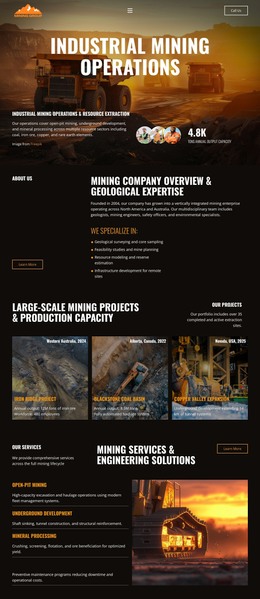
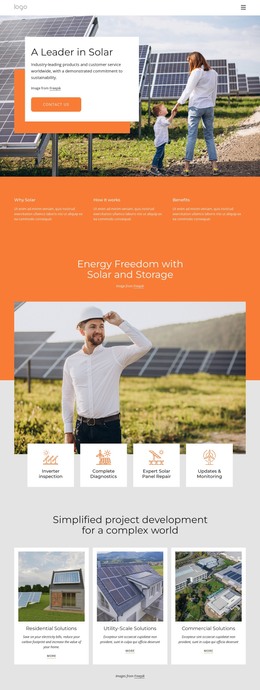
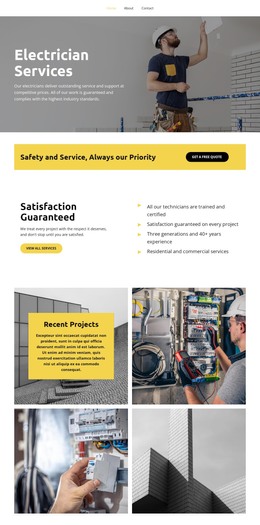
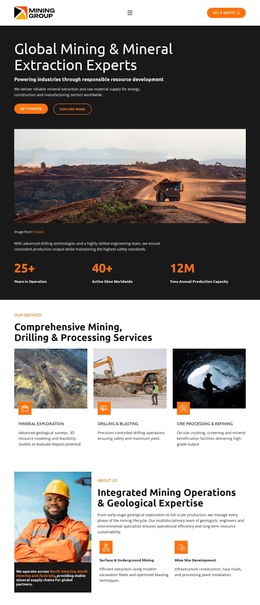
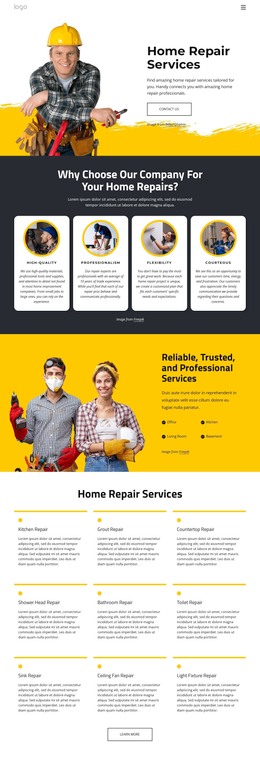
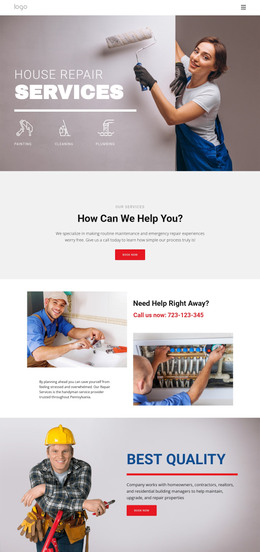

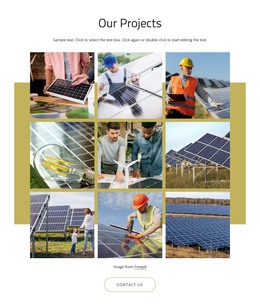
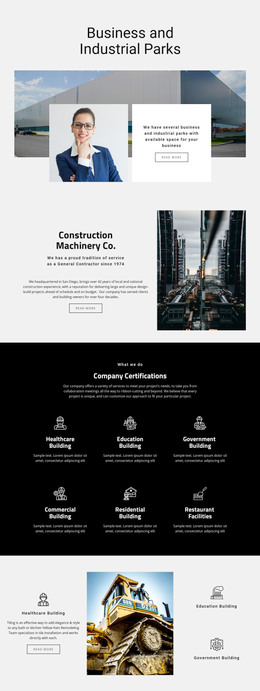

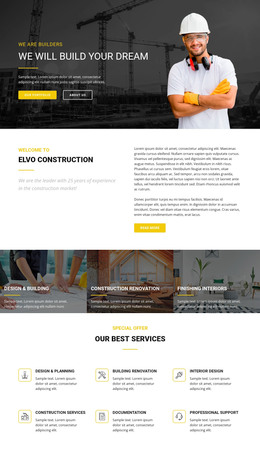
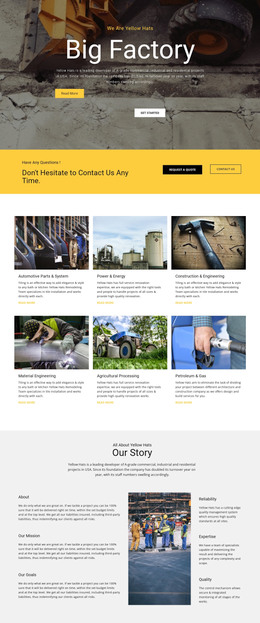
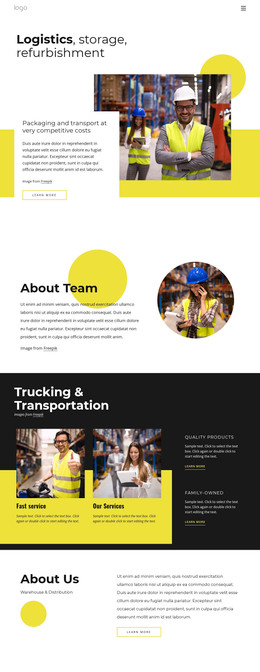
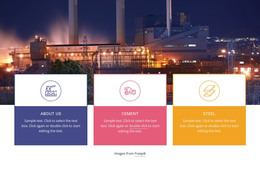



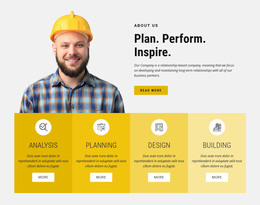


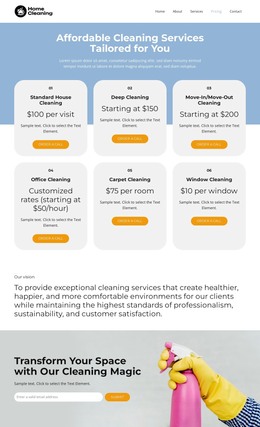
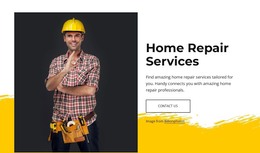
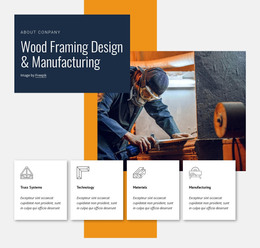



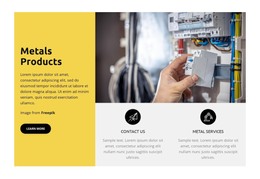
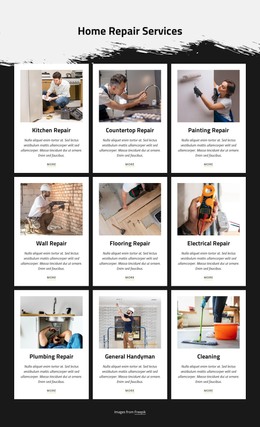
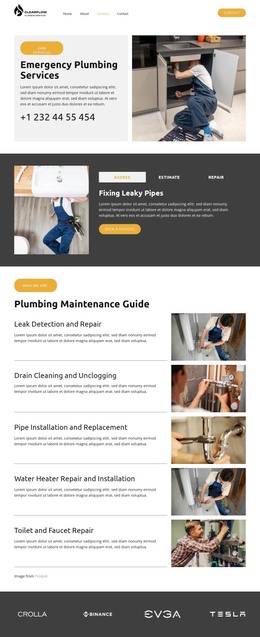
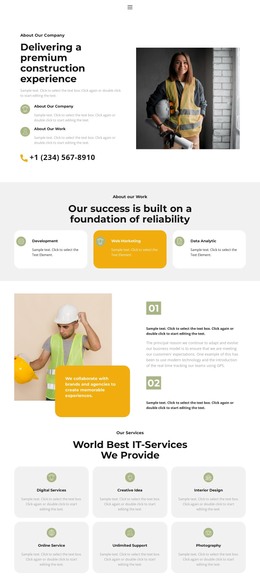
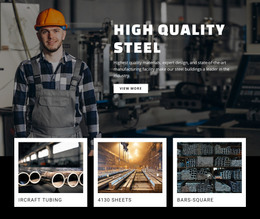

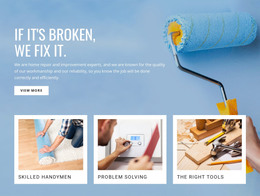
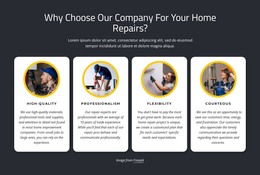









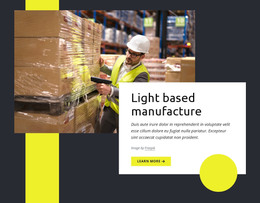
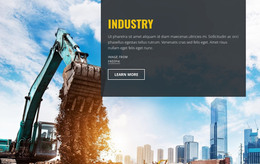
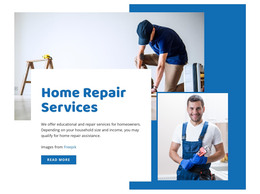


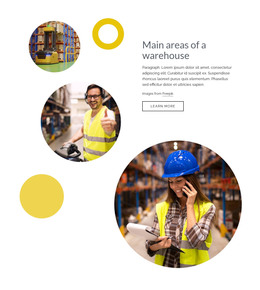

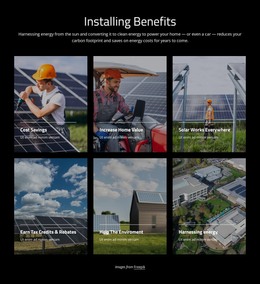
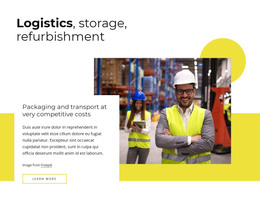


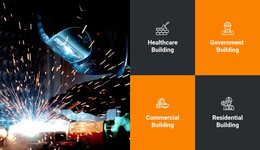






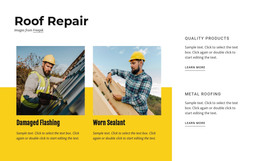

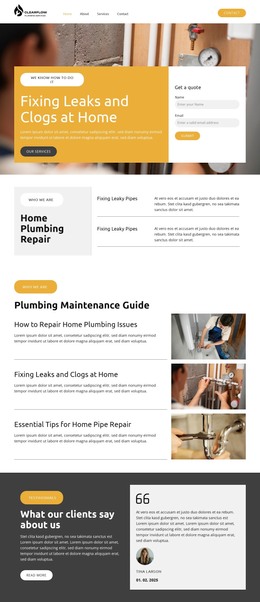

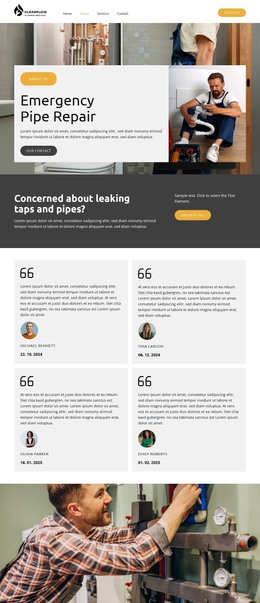


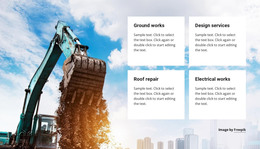





No-Code Industrial WordPress Themes for Manufacturing Sites
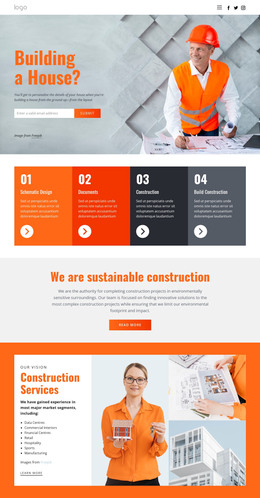
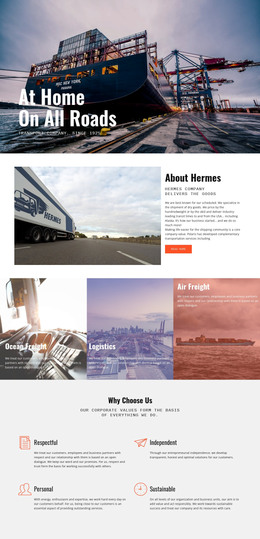
For manufacturers, machinery suppliers, petroleum businesses, and engineering contractors, industrial WordPress themes offer a practical way to keep technical content up to date without rebuilding the visual system with every update. Equipment pages, capabilities, articles, project information, and inquiry routes can follow a single branded structure, while WordPress handles ongoing content management.
How to Create a Responsive Industrial WordPress Website?
A strong industrial WordPress site starts with the information teams update most often. Machinery suppliers may need new equipment pages; manufacturers may add production capabilities; procurement businesses can publish service information; and contractors often maintain project or technical content. Nicepage adds visual page controls around that CMS structure, while WordPress remains the content management environment.
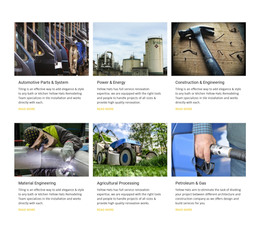
Plan the hierarchy around real industrial workflows. Place core capabilities and major equipment groups near the top-level navigation, keep technical articles separate from commercial service pages, and make quotation routes easy to reach. An agricultural machinery website direction can help frame equipment categories, product applications, dealer information, and service content for machinery-focused businesses.
Nicepage supports a WordPress-specific workflow through its Plugin. If a WordPress theme is already active, the documented Nicepage WordPress Plugin installation allows the Plugin to be used for page content editing within the CMS.
Professional Features for Industrial WordPress Sites
WordPress Plugin integration gives editors access to supported Nicepage page-content workflows inside WordPress. Theme export provides a route from a Nicepage project to a WordPress-oriented site package. Header and Footer content can follow the supported import process when those areas need Nicepage editing. Blog and Post Elements help present company updates, engineering articles, product announcements, or maintenance information. Contact Form Element supports quotation and service inquiries. Menu controls structure equipment, industries, capabilities, and company pages. Responsive Modes let teams review those layouts across desktop and mobile views.
These controls matter when an industrial business serves several buyer groups. A procurement-focused website structure can inform pages for sourcing, supplier relationships, contract services, and purchasing support without turning the WordPress site into a generic corporate portal.
The theme and content workflows should remain distinct. Nicepage documentation for editing theme-related content in a CMS describes an export, Plugin installation, and content-import path before Header and Footer content can be edited through the Nicepage editor. That distinction helps teams plan changes before a production handoff.
Flexible WordPress Administration for Industrial Teams
Do: define stable visual rules for equipment pages, service sections, articles, navigation, and recurring contact blocks before multiple editors begin to work in WordPress. Don't: treat every new machine or technical article as a reason to redesign the entire page system. Shared typography, content patterns, and controlled editor access make updates easier to manage while protecting the established layout.
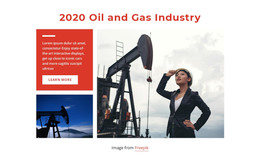
WordPress is especially useful when technical content changes more often than the overall brand design. A petroleum supplier, for example, may need to update service areas, product information, corporate news, or operational content while keeping the main visual structure intact. A petroleum website direction can provide niche references for infrastructure, supply operations, technical services, and industry-specific content.
User Roles can also limit what collaborators can change. This is useful when marketing, sales, or client teams need access to content without receiving full control over the layout.
Advanced Industrial WordPress Questions
What is the difference between a Nicepage subscription and license for an industrial WordPress project?
A Subscription provides one year of Premium access for the Desktop Applications, Online Builders, WordPress Plugin, and Joomla Extension, including updates. A License provides lifetime Premium use of the Desktop Application, WordPress Plugin, and Joomla Extension, with one year of updates included.
Can I give industrial clients WordPress access without full design control?
Yes. Nicepage User Roles can grant collaborators specific permissions, such as limited Editor access, so content can be changed without giving every user unrestricted control over the visual layout.
How should I handle recurring machinery or technical content in WordPress?
Use a consistent Nicepage page structure for recurring equipment or service content and keep WordPress-managed articles or posts within a predictable visual system. Blog and Post Elements can support technical updates, company news, and other CMS-driven content.
Can I edit an exported Nicepage WordPress theme directly inside WordPress?
According to the supplied Nicepage FAQ guidance, themes are exported from the Desktop Application or Online Builder and are not edited directly as themes inside WordPress. Supported page and content work can be handled through the Nicepage WordPress Plugin workflow.
User-friendly WordPress Control for Industrial Content
A site that depends on a developer for every machine, article, or service update can slow routine content work. Nicepage gives industrial teams another path: prepare the branded WordPress structure, use the CMS Plugin for supported content editing, and keep recurring technical pages inside a consistent visual system. Start for free, establish the industrial layout, and maintain day-to-day content with less design dependency.