
Raw CSS Templates







More Website & HTML Templates for Raw





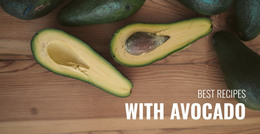
More CSS Templates from Food & Restaurant Category
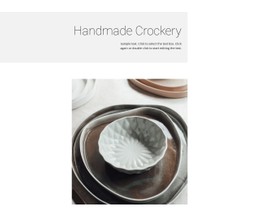

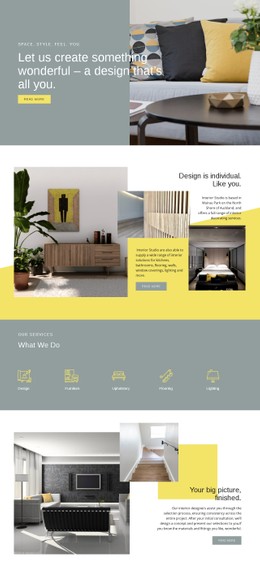
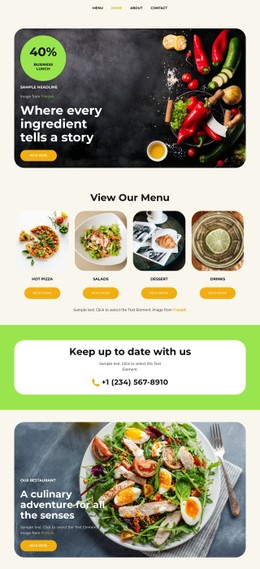
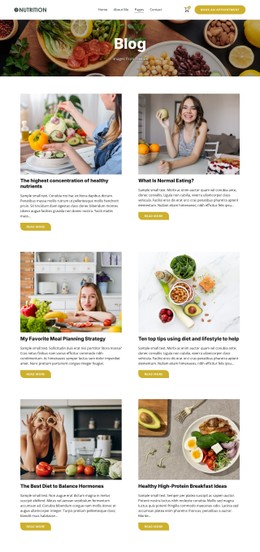
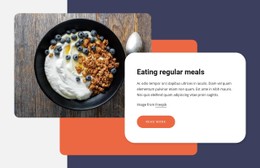
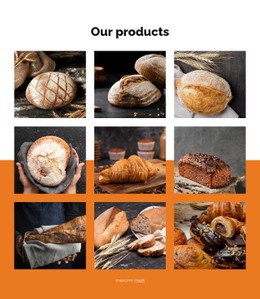
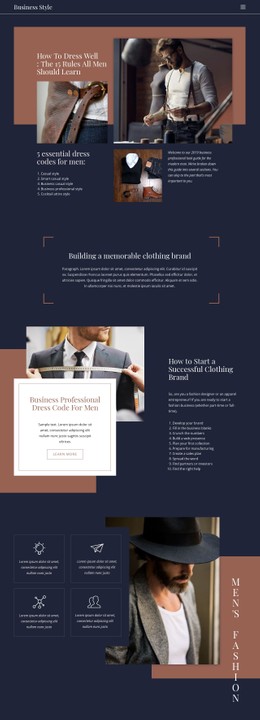
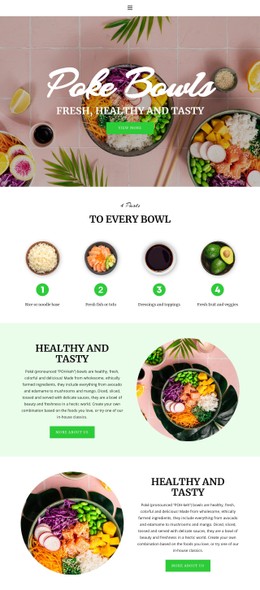
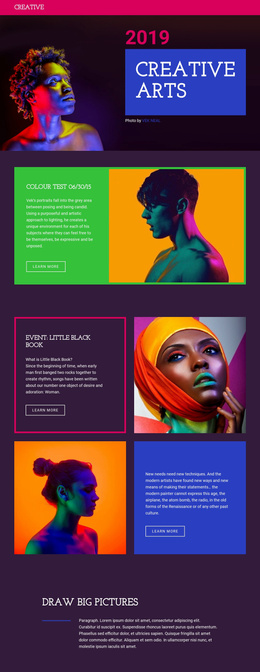
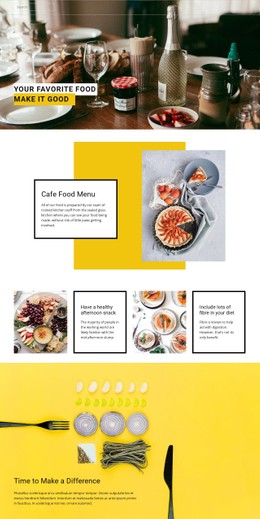


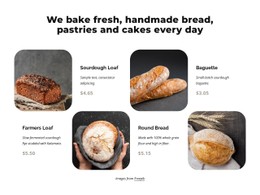
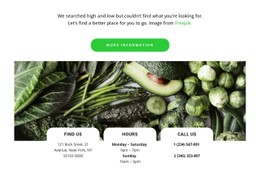
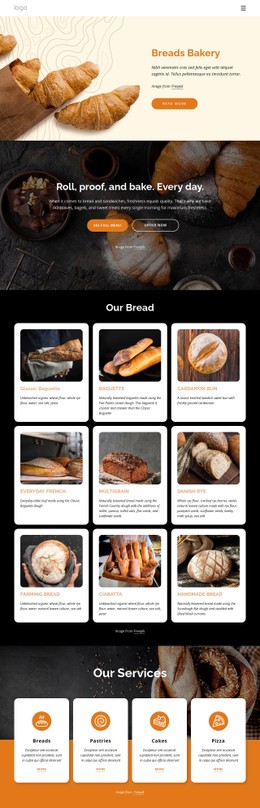
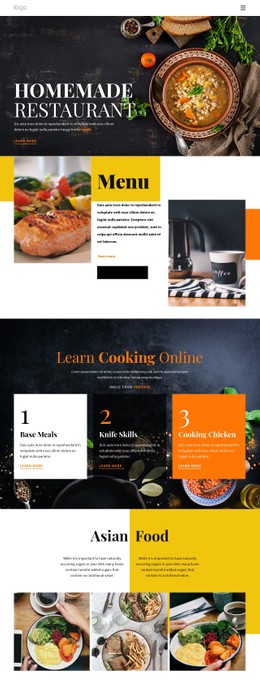
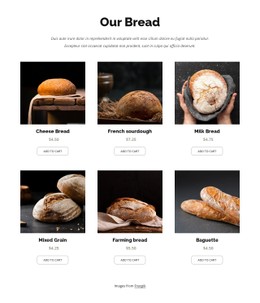
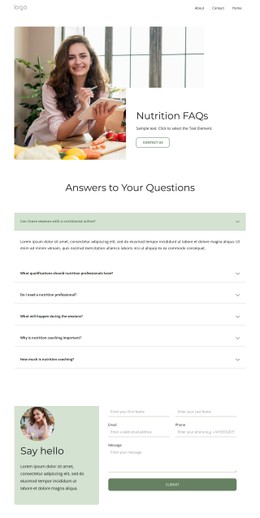
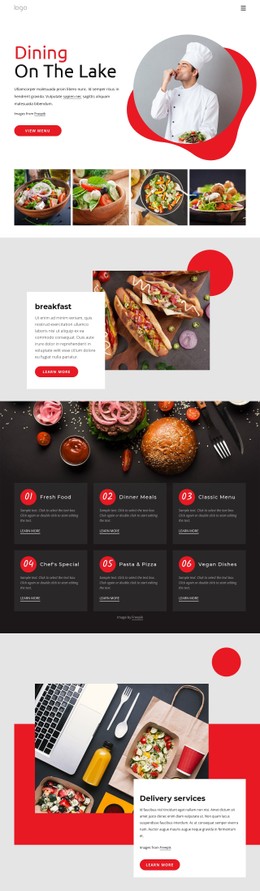
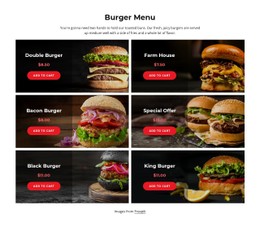
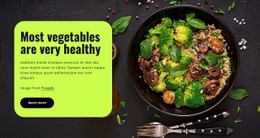
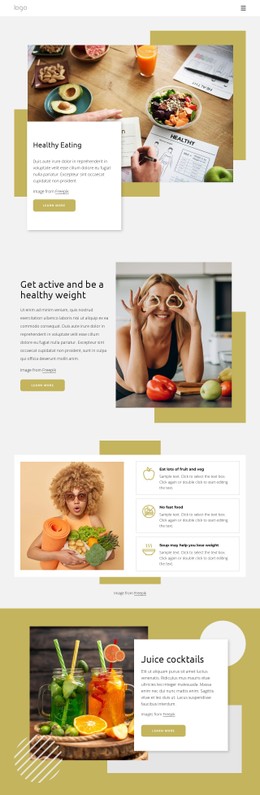
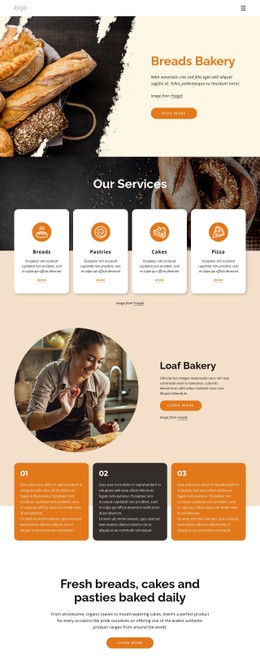
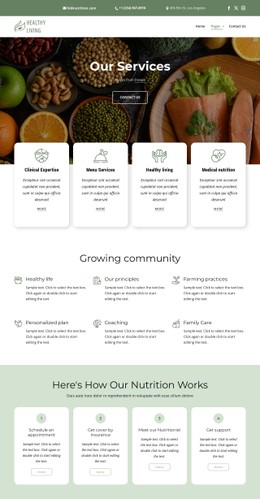
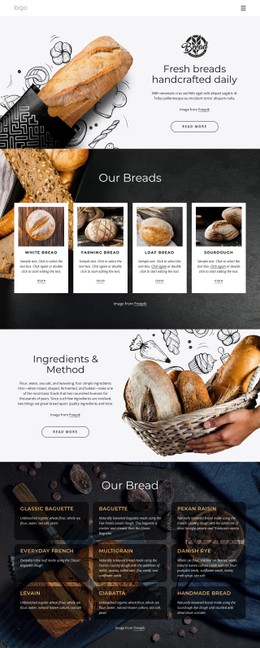

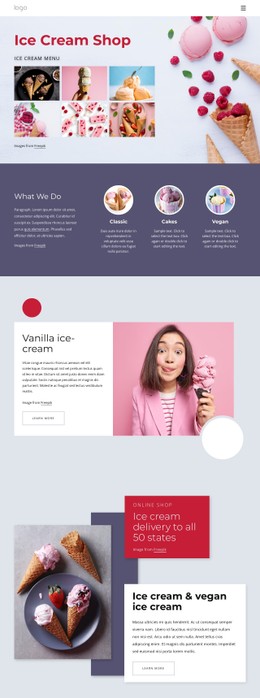
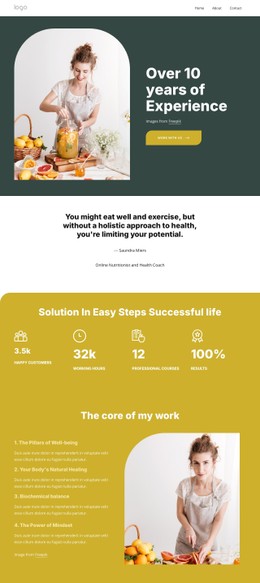
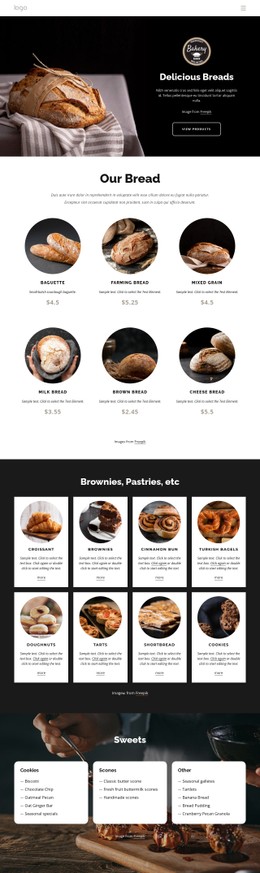
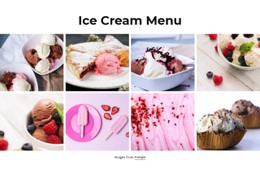
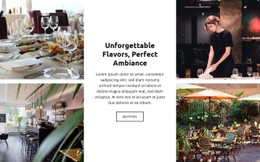
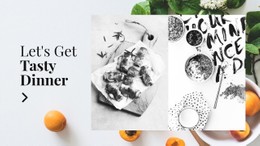
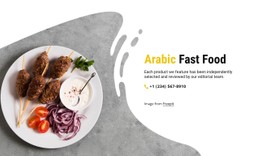
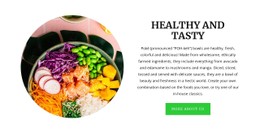
Other Food & Restaurant CSS Templates
Forward-Thinking Raw CSS Templates With Various Styling Options
Almost all websites use CSS for their visual guidelines, and an external CSS file is used on 91.8% of all websites. Raw CSS templates provide developers, learners, agencies, and startups with such guidelines without big frameworks or any platform. Raw CSS templates work well for portfolios, product pages, blogs, dashboards, and plain business websites. A developer can easily change colors, spacing, typography, grid, and mobile breakpoints in the source file. A learner will be able to analyze every selector and observe the impact of each rule on the webpage. A design system for restrictions buttons, cards, forms, menus, and tables. Moreover, clear code saves resources, as it is proven by HTTP Archive.
The median size of desktop pages with unused CSS was 52 KB, and at the 90th percentile, it was 221 KB. It means that unused code will be easier to detect and eliminate with a raw template. A raw food CSS design allows changing the layout, exporting it, and editing the CSS files in the final state for clients and learners.
Flexible Style Control for Raw Food Pages
Good CSS for raw foods will create a coherent visual language even before creating pages for particular products. It is possible to maintain the consistency of color schemes, fonts, layout spacing, and card designs regardless of how varied the information on the website is.
Blogs about recipes, raw food cafes, and organic deliveries all have their own way to implement the basics of CSS styling.
- Bold Accents
- Calm Typography
- Card Spacing
It is essential to build the visual language around the existing content rather than against it. Photos of the products usually have many vivid hues and textures, so it may be more beneficial to create the interface using a narrower color scheme and uniform spacing.
Creative Raw Product Card Styles
It is important that there is visual interest in addition to useful purchasing information on these cards, and all of this has to be done in a minimal amount of space. Consumers may want to review the ingredients, allergens, packaging sizes, costs, and availability before opening a full page for each individual product. This is why it is necessary to have an organized CSS.
Review the following features of the raw menu stylesheets:
- Image Ratios
- Ingredient Badges
- Price Options
- Hover States
- Touch Targets
- Stock Alerts
Consistent ratios allow for even card sizes in the product grid. Badges with ingredients that highlight products that are vegan, gluten-free, organic, or nut-free should be used, but allergen warnings must always be easily legible.
Start With a Raw CSS Design Today
Check out the portfolio of a raw CSS template and get yourself a raw CSS theme fitting your menu or store. Pick, download, and adjust visuals prior to publishing.