
Classic CSS Templates
















More Website & HTML Templates for Classic


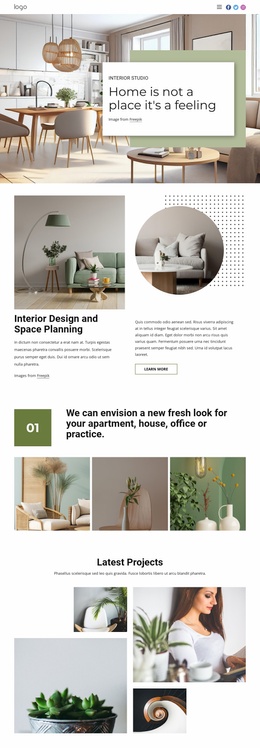


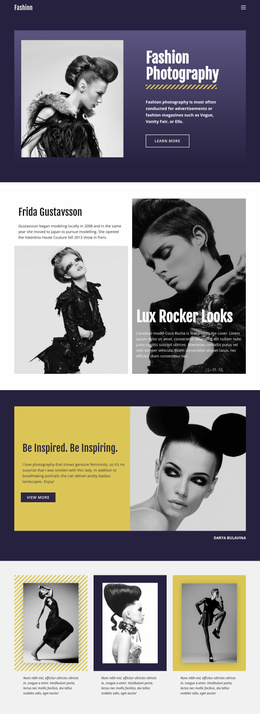


More CSS Templates from Text Category

































Other Text CSS Templates
Mobile-Friendly Classic CSS Templates for Professional Web Projects
CSS controls the appearance of a website, including fonts, colors, spacing, menus and review sections. Classic CSS templates use this role to create balanced pages with a clear hierarchy and familiar rules of design. They work for restaurants, hotels, law firms, local shops and service companies that want a professional site without visual clutter. Trust elements are worthy of special attention. Some 41% of consumers said they always check reviews before selecting a business, compared to 29% the year before.
A well-thought-out classic CSS layout can position testimonials near services, pricing or contact buttons so users are shown proof when it matters. It can also give each review a clear border, text that can be read and enough space between details. A hotel could display guest reviews alongside room options, and a consultant could show client testimonials under service descriptions. Classic style sheets help designers to maintain the consistency of every page and give developers the ability to modify styles without changing the main HTML structure.
Core CSS Elements for a Classic Visual System
A consistent style system helps teams to keep their stylesheet cleaner, change faster and maintain the same classic visual character across every page and screen size.
Traditional CSS design should cover the following style areas:
- Different Color Palette
- Type Scale
- Consistent Spacing
- Interaction States
- Responsive Breakpoints
- Reusable Classes
Visitors see how links and buttons interact with them. Responsive breakpoints keep the layout on smaller screens. Reusable classes make it easy to reuse repeated elements like cards, forms and buttons.
Classic Style Options for Different Projects
Each option can maintain its own identity without making selectors and style rules hard to review. Designers may alter borders, fonts, section widths, or background treatments and still maintain the original order of the content. Shared classes can control repeated elements such as buttons, cards and form fields while project-specific rules add in the visual details needed for a particular industry.
This balance makes it much more efficient to customize. Teams can build unique designs without bloat in the stylesheet from one-off fixes. The last pages remain consistent, responsive and easier to update when the brand introduces new content or changes its visual direction.
Shape Your Classic CSS Design Today
Take a look at the collection and download a classic CSS template that suits your brand. In Nicepage, adjust the style rules, try the contrast in all major sections and showcase a page that looks clean, balanced and trustworthy.