

Adult CSS Templates
Training pages, adult dog training guides, and recreational activity websites need different visual treatments. CSS templates help control typography, color schemes, image grids, and spacing so instructional content remains clear across desktop and mobile screens.

















































































Other Team CSS Templates
Adult CSS Templates for Refined Styling
A useful stylesheet supports the information rather than competing with it. Adult CSS templates can be refined for illustrated pet-care instructions, sports activities, or educational material with different reading needs.
Style Instructional Cards and Dog Training Guides
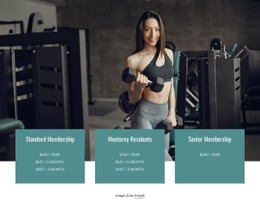
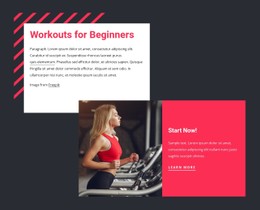
On a continuing education page, imagine a row of cards for beginner, intermediate, and advanced programs. Their titles should be easy to distinguish, and the descriptive text should remain readable over the chosen backgrounds. Adjusting padding, font weight, or button colors can improve those cards without changing what each training level means. Strong action photography may need a contrasting text area rather than labels placed directly over every image.
A dog training guide has another challenge: people need to match an exercise photo with the right steps. Use consistent caption styling, comfortable line spacing, and visual separation between instructions. The goal isn't to give both subjects the same look, but to make each page's material readable.
Nicepage offers visual style controls and Custom CSS for supported targeted changes. Use specific rules when needed, but avoid changing unrelated cards or images across the site. A revised border or background can improve an individual instruction group without turning it into a site-wide styling experiment.
Keep Instructional Content Readable on Smaller Screens
A desktop course layout may present several training levels side by side. On a phone, the same content might be easier to follow as a vertical sequence, with the photograph, skill description, and practice details kept together. For dog training, an instruction image should not become separated from the caption explaining the exercise when columns stack.
Responsive CSS and Nicepage layout controls can help with this adaptation. Inspect the actual text, photographs, and labels at smaller widths. The important test is whether a learner can follow the information, not simply whether a grid technically fits the viewport.
Review the following styling decisions against real instructional content:
- Contrast: Make labels legible against their backgrounds.
- Spacing: Keep each instruction near its image.
- Typography: Give longer explanations comfortable line height.
- Responsive layout: Review cards after columns stack.
- Scope: Apply custom rules only where needed.
- Consistency: Reuse styles for related learning components.
Before publishing, verify the finished styling in its actual environment:
- Content length: Test an unusually long lesson title rather than demo text.
- Image assets: Confirm captions still match the published photographs.
- Interactions: Test visible hover and keyboard-focus states where applicable.
- Export: Confirm custom CSS still applies to the published files.
Review Styling After Export
When exporting an HTML website, inspect the styles used by the published design and verify that targeted changes behave as expected. Nicepage also provides an optional Export Minimal CSS Per Page feature in supported workflows; confirm its availability before relying on it. If CSS is changed directly in exported files, keep the original Nicepage project because a later export may overwrite those external adjustments.
Choose adult CSS templates when you need a suitable ready-made composition with subject-specific visual refinement. Keep the focus on the educational or dog training content the styling is meant to support.