
React CSS Templates
More CSS Templates from Technology Category
-

-
-
-
-
-
-
-
-
-
-
-
-
-
-
-
-
-
-
-
-
-
Build Website with no CodingDownload
-
-
-
-
-
-
-
-


































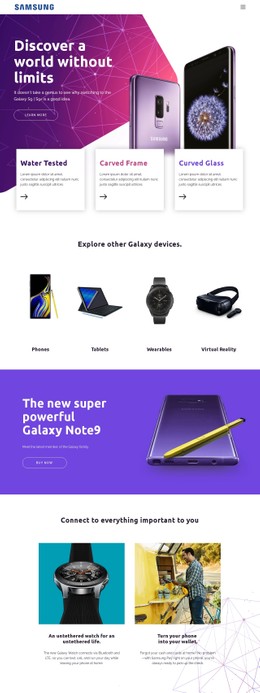





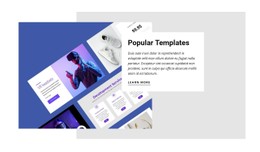




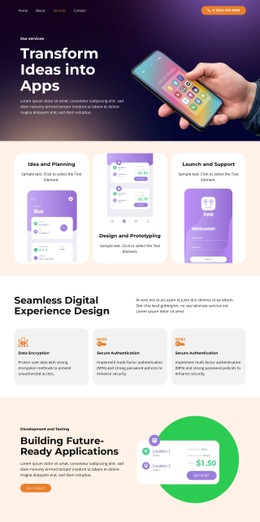




Other Technology CSS Templates
Customizable React CSS Templates
The look-and-feel of each React page is defined with CSS – the fonts, colors, paddings, buttons, cards, menu, form controls, and responsive components. React CSS templates provide developers and designers with a pre-designed style system that fits business sites, travel portals, dashboards, online stores, and web applications. React stylesheet layouts assist agencies, startups, freelancers, and product teams in implementing a unified interface without designing it from scratch. Only 50.1% of mobile pages support natural keyboard navigation, which means that keyboard controls and focus states still matter.
The right template will simplify the process of creating easily usable menus, links, and form controls without a mouse. Performance also influences business outcomes. Properly styled pages will be able to save users from too fancy effects, improve response times, and maintain the same layout for different screens. As a consequence, users will be able to explore offers, compare services, fill out forms, and access important pages much more easily.
Control React Components With Shared CSS Rules
A unified stylesheet creates connections between elements. The same button should not have varying padding on three different screens. There should be only one rule for borders used in cards and the same focus states in form fields. It will help to save time in case a project is becoming bigger, and there are several developers working on one product.
Before selecting a React CSS component style, be familiar with the key features of the React CSS template.
- Responsive space for different screen sizes
- Flexible font size for hierarchy on the interface
- Custom colors for branding of products
- Grid for structured content
- Button states
- Custom CSS
Common rules are also helpful while creating reusable React components. Developers may simply change a single variable or a class rather than making corrections in the same style over numerous pages.
Build a Consistent React Visual System
React CSS components have various uses depending on the type of interface that is being designed. This includes data cards for a dashboard, forms for an online service, and action buttons for a product website, among others. The stylesheet should complement the content instead of fighting with it.
Common styling of cards, buttons, and forms will help decrease redundancy in CSS. Deleting useless assets, obsolete classes, and redundant effects will make your CSS file clear and will help avoid future conflicts when updating.
Make Your React CSS Base Now
Find out more about the Nicepage gallery, examine React CSS templates and adopt the one which suits your interface. Adjust the template you like and change classes and variables for all components to make them functional.