
Diary CSS Templates
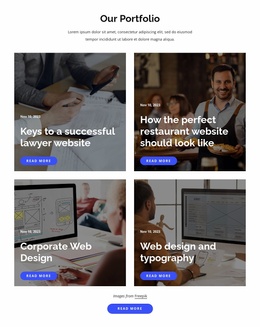

More CSS Templates from Education Category
-
-

-
-
-
-
-
-
-
-
-
-
-
-
-
-
-
-
-
-
-
-
-
-
Build Website with no CodingDownload
-
-
-
-
-







Other Education CSS Templates
Creative Diary CSS Templates
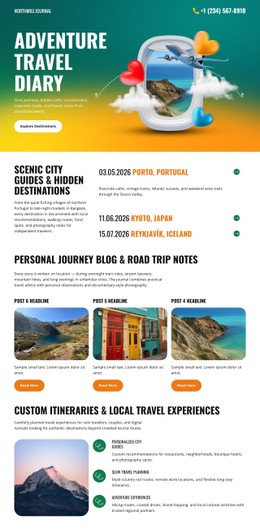
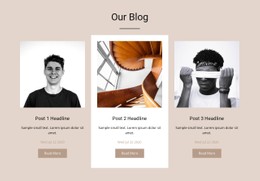
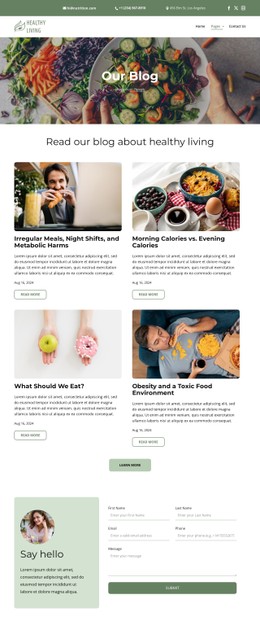
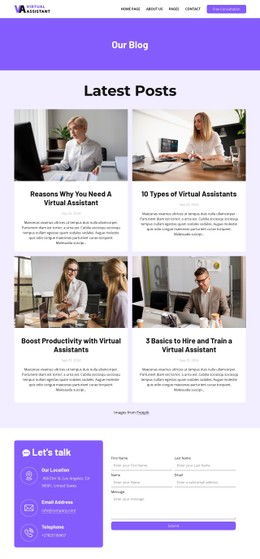
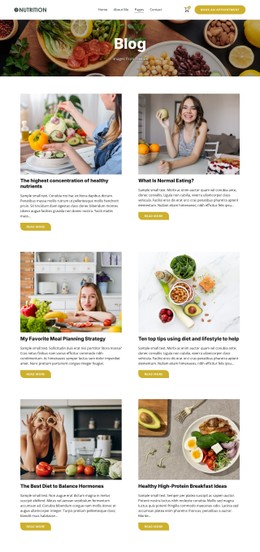
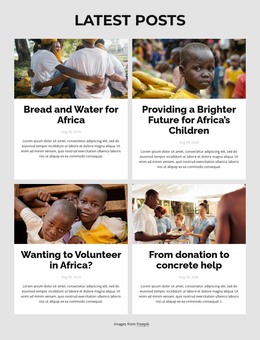
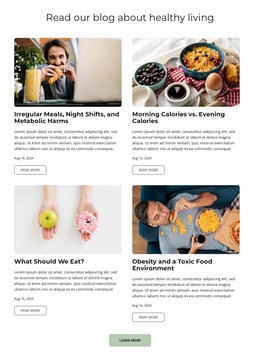
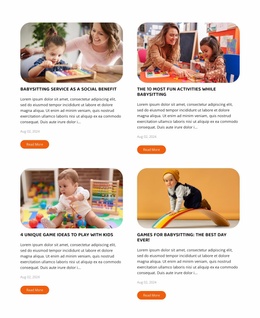
Visual presentation is very important for online journaling. In fact, we can’t overstate the impact it can have on your storytelling's perception. Diary CSS templates focus on the ways to refine the look of your site. They help creators build visually engaging storytelling websites. They work really well for writers, lifestyle creators, and students. With their help, it becomes much easier to improve the look of your portal. Your site gets contemporary styling, visually balanced presentation, and an attractive look. The approach also improves readability, as storytelling websites often feature image galleries and emotional content that require a clear visual hierarchy. A modern interface helps readers focus on stories and memories rather than struggle with cluttered layouts or confusing navigation.
CSS was first proposed by Håkon Wium Lie on October 10, 1994, while he was working at CERN. The first official W3C recommendation (CSS1) wasn't released until December 17, 1996.
Diary CSS templates focus on styling personal content with readability and emotional appeal in mind. For example, a minimalist journal can use clean typography and spacing for daily reflections. A creative diary might use colorful layouts for sketches, notes, and ideas.
Advantages of Styling Solution for Digital Journals
Diary sites can often feature personal writings and lifestyle content. A versatile CSS design definitely helps present these elements in an attractive way without disrupting readability.
Let’s take a closer look at some of the features:
- Flexible styling for writing sections.
- Modern typography for readable journal content.
- Easily controllable color schemes.
- Organized galleries for memory collections and photography.
Better UI Design Supports Emotional Engagement
Such layout designs really suit travel bloggers, wellness magazines, and creative forums. They can be used to design inspirational boards, reflection areas, and multimedia projects. And it’s possible to do so while maintaining visual balance.
These solutions allow authors to fully control various visual aspects and UI elements. They can experiment with spacing, control colors, and change typography without any issues.
Additional styling benefits include:
- Better spacing for comfortable long-form reading.
- Highly scalable styling system.
- Beautiful visuals.
- Flexible homepage sections for featured stories.
- Visual hierarchy that improves visibility.
- Adaptive design sections.
Create a Beautiful Storytelling Experience Now
A well-designed storytelling interface would also increase trust among the audience, as audiences always expect diary websites to be authentic, contemporary, and emotionally appealing. The reason is that an untidy design may hinder emotional engagement.
Responsive CSS design will help you enhance the quality of your story, engage better with the reader, and showcase your work on the internet. Take a look at our selection of diary CSS templates and easily create a personal journal website that is both imaginative and emotional.