
Academy HTML Templates
Course catalogs, instructor profiles, schedules, and enrollment details need a structure that stays readable as an academy grows. These HTML templates provide reusable semantic sections and responsive markup for education-focused pages.
-

-

-
-
-
-
-
-
Free Website Builder SoftwareDownload
-
-
-













More HTML Templates from Education Category







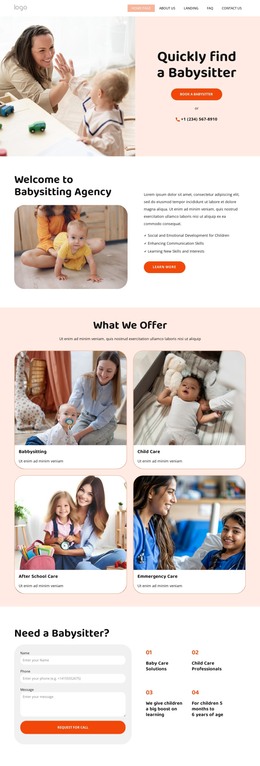



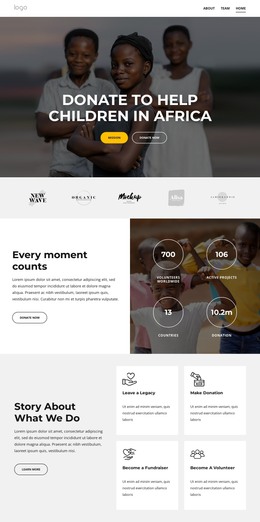
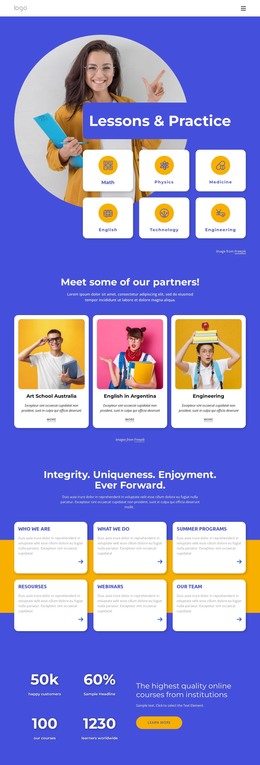
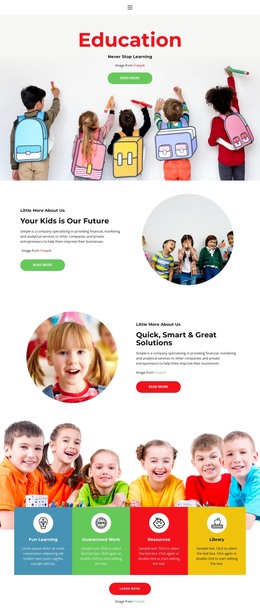
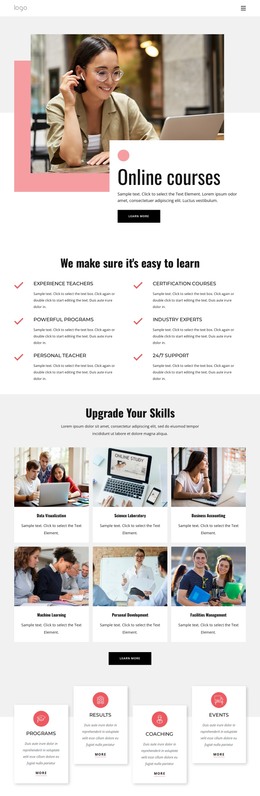
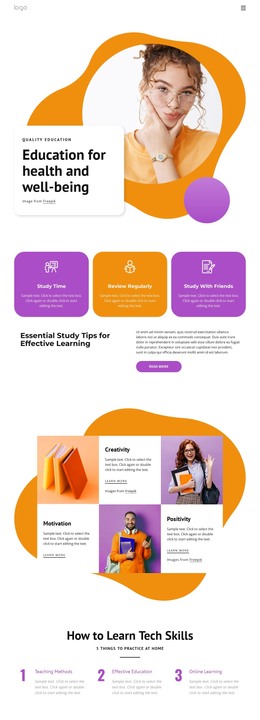
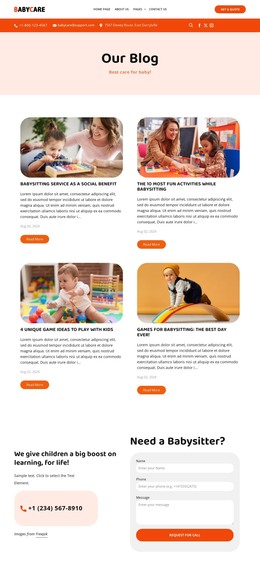
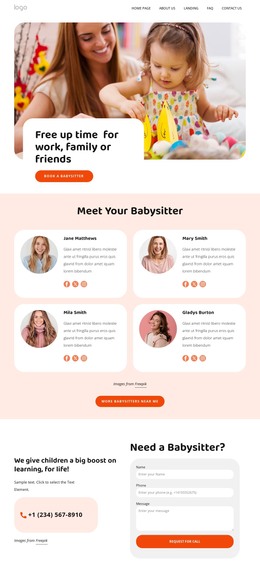





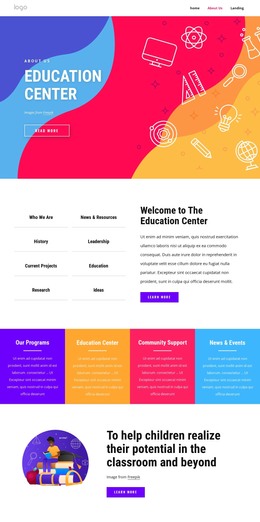







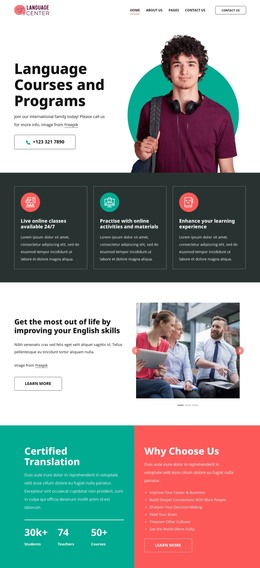


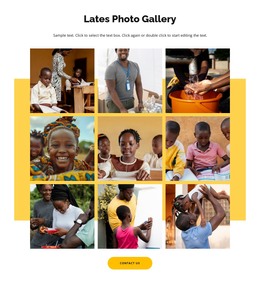
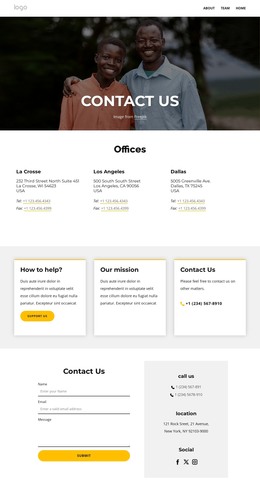
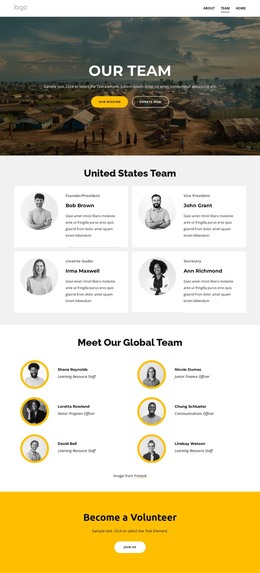
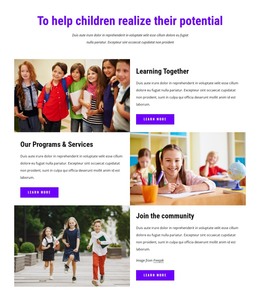
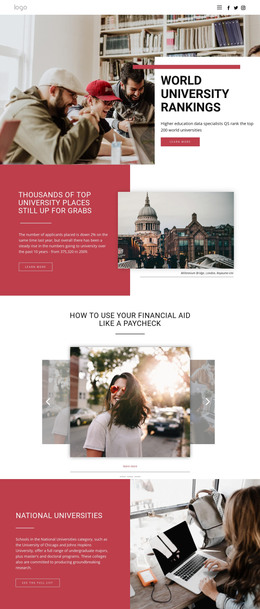

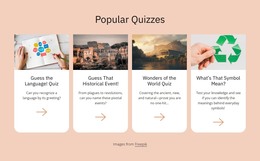






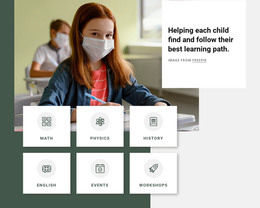
Other Education HTML Templates
Academy HTML Templates With Editable Source Files
An academy HTML template gives a school a finished design and, once the adaptation is done, a set of files it keeps. The result lives on hosting of your choice, opens in any code editor, and no longer needs the builder that produced it. A language academy that already has a deployment routine tends to care about that more than about the demo photography.
Inside a Ready HTML Package
Adapting the design happens visually first, and the files matter afterward. What lands in the folder is straightforward:
- the HTML documents behind each part of the academy site;
- the scripts and images they reference, kept in their own folders;
- the sections you filled in, from course listings to enrollment forms.
Under the design sits the structure you will actually maintain. Course sections tend to repeat, instructor blocks and schedules sit as separate units, and headings run in the order a reader follows. Opening the source of a demo once tells you how far that goes, since a template assembled from repeating sections is easier to extend than one where every block is unique.
Editing Source Code After Handoff
Analytics code, external form handling, and deployment-specific changes are easier to add straight into the files. Deciding early which edits belong in the project and which belong in the source saves the same work being done twice.
A common split puts a designer on the template and a developer on everything after it: connecting a booking system, wiring a custom script, or folding the result into an existing build. Neither side waits for the other, and the files stay available for direct editing. Check every exported HTML file and follow the internal links before the site goes live.
Hosting You Control
Academies that already run their own server are the clearest case for this format. The files go wherever the rest of the organization's sites go, under the same domain rules and the same backup routine, with no extra service in the middle.
A language academy publishing a new level every term shows how light the routine can be. The same course section is copied, the term dates change, and the updated documents go out the way everything else does.
The case for this kind of template is simple. You want the source in your hands, hosting you choose, and room for a developer to keep working after the site is live.