
Billboard HTML Templates
Outdoor advertising teams need clear pages for campaign work, display locations, media formats, and advertiser inquiries. These billboard HTML templates provide reusable, responsive sections that keep key information readable across desktop, tablet, and phone layouts.


More HTML Templates from Education Category







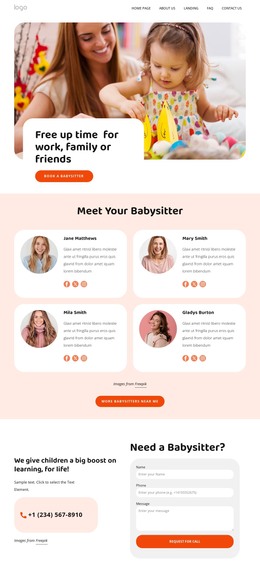

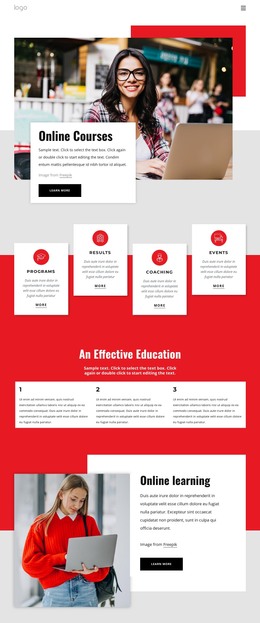

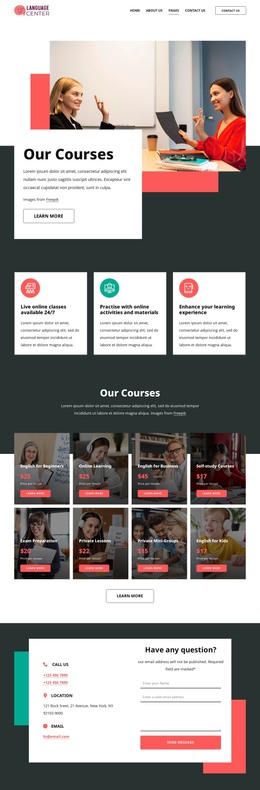
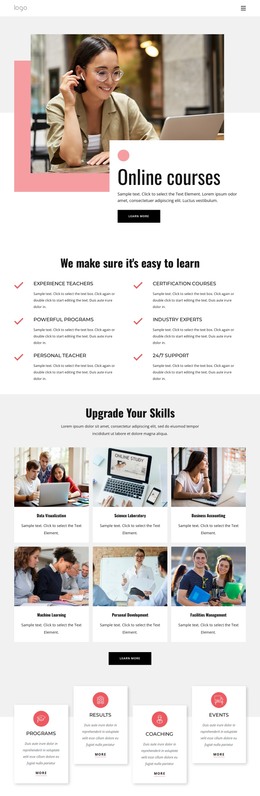













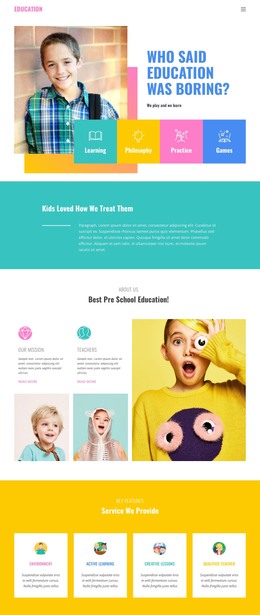








Other Education HTML Templates
Responsive Billboard HTML Templates
A media owner renting panels needs one kind of site, an agency presenting finished outdoor campaigns needs another, and a print and installation shop sits somewhere between them. Billboard HTML templates are made for that market, and what you download is a set of front-end files with pages already laid out, ready for your surfaces and photographs.
Inventory Is What Buyers Come For
Almost every visitor arrives with the same two questions: what is available and where. Templates in this category tend to organize the answer around a few recurring blocks:
- location cards carrying the address, the format, and the panel dimensions, with a photograph of the surface in place;
- campaign pages where an agency shows completed work, often with a day shot and a night shot of the same display;
- a specifications or media kit section with the details an advertiser asks about before booking.
An operator with panels across several districts gets more from a design that groups them by coverage area than from one wide gallery. Availability is also the thing that dates fastest on these sites, so a layout that buries panel status inside an image caption will wear thin by the second update.
Checks Worth Running on a Demo
Demo content is photographed under ideal conditions, and roadside material rarely is. Three tests tell you most of what you need:
- drop in your own panel shot, since a surface photographed from the shoulder of a highway crops nothing like stock artwork;
- open the inventory screen on a phone and see whether the address and the format stay next to the picture;
- read the fields in the inquiry form, because an advertiser who cannot state campaign dates will send an email instead.
Nicepage's Responsive Modes let you review a layout at each screen width, which is where the second test gets settled. Media buyers compare digital and static formats between meetings, usually on a phone.
Adding Panels Without Touching the Layout
Surfaces come and go, and the files you bought have to survive that. A location card built as a repeatable block takes a new address and a new photo without disturbing anything around it. In contrast, a card drawn once as a single piece of artwork sends you back to a photo editor every time a panel changes hands. Campaign cases multiply the same way on an agency site.
So the shortlist comes down to three things. Whether the template has a real home for the inventory, whether your own panel photography survives its image frames, and whether an advertiser can reach the inquiry form from whatever page they landed on.