
Vacation Html Code Examples
Travel teams often need more than a fixed page structure when destination offers, reservation paths, or custom content require code changes. Vacation HTML code supports direct markup adaptation, export, and a cleaner handoff to developers or external hosting.
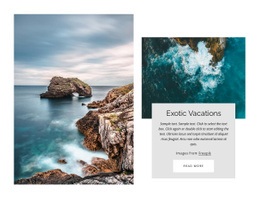
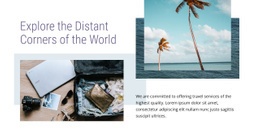


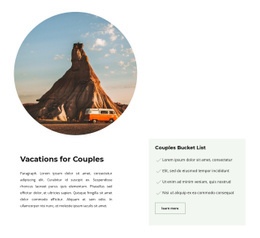
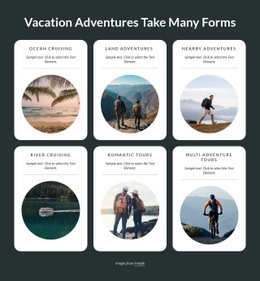








































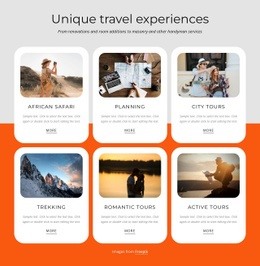

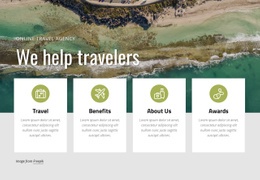


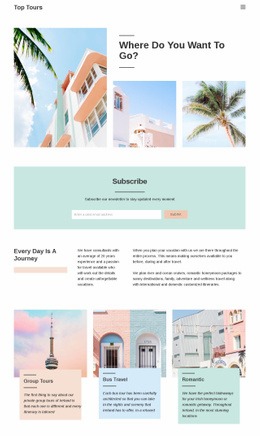

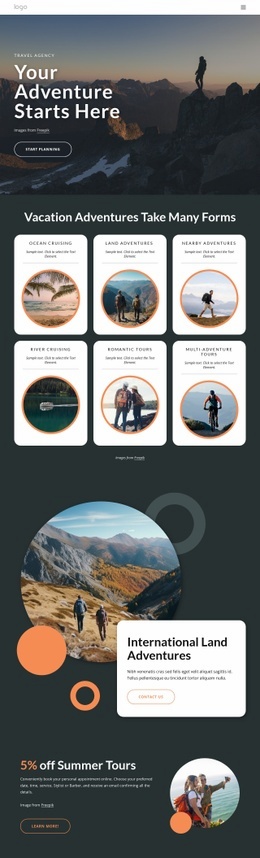
More Website & HTML Templates for Vacation
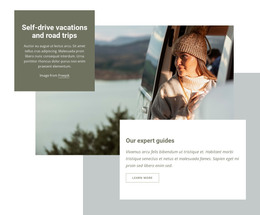



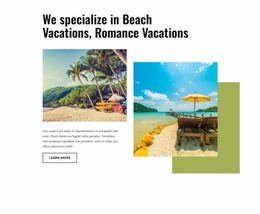
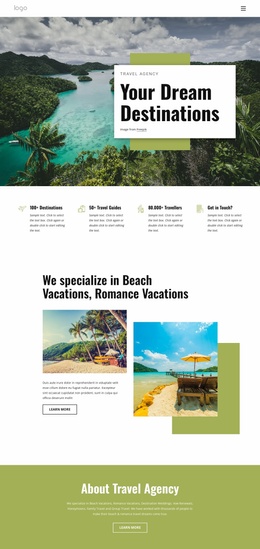



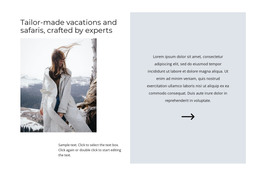
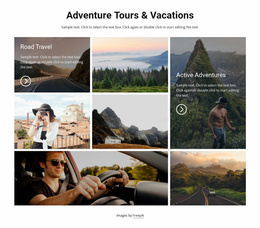
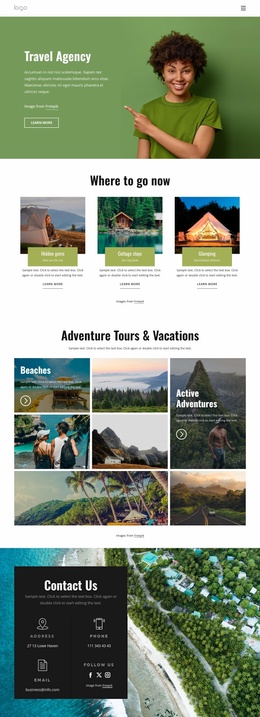





Other Travel & Hotels Html Code Examples
Advanced Vacation HTML Code
Sometimes a whole travel site is more than the situation calls for. You need one working piece: the offer card, the inquiry form, the gallery strip that scrolls sideways on a phone. Vacation HTML code fills the gap between a screenshot and a full project: lift a working example, drop it into a page you already run, and rewrite whatever does not fit.
Read the Markup Before Reusing It
How useful an example is depends on how fast you can locate the part you need inside it, so scan the block first and look for a few signals:
- an element hierarchy that matches what you see on screen, without wrapper divs nested six levels deep;
- class names describing the block rather than its color, so a redesign does not turn every name into a lie;
- presentation attributes kept out of the markup, since each one overrides whatever your own site applies;
- forms with real name attributes, labels, and an action you can point at your own endpoint;
- scripts declared at the end of the document and easy to swap for whatever your site already loads.
A block that fails those checks is still usable. You will spend the hour you saved untangling it, which pays off only when it does something awkward to build yourself, like a filterable offer list.
Export Full Pages to an External Project
Nicepage Online can export HTML for use on your own server, which turns a visual draft into files a developer can open, diff, and commit. That matters the moment a vacation page has to leave the tool it was designed in and live inside an existing CMS theme or a static site generator.
After the export, the rest is ordinary front-end work. Paths get rewritten, assets move into the project's folders, the head section picks up analytics and meta tags, and repeated blocks become reusable fragments instead of five near-identical copies.
Hand Over Files, Not Screenshots
A developer receiving a vacation page needs three things: the markup, the assets it references, and a note about which parts are dynamic. Flagging the sections that will come from a database, such as offers or departure dates, saves a round of rework, because those blocks get written as loops from the start.
Put everything in version control on day one, even for a five-page site. Travel content shifts constantly through a season, and a diff shows what a last-minute campaign actually touched.
So lift the block, keep what reads clearly, rewrite the rest, and make the version in your repository the one everyone edits from.