4040 Business & Law Html Code Examples



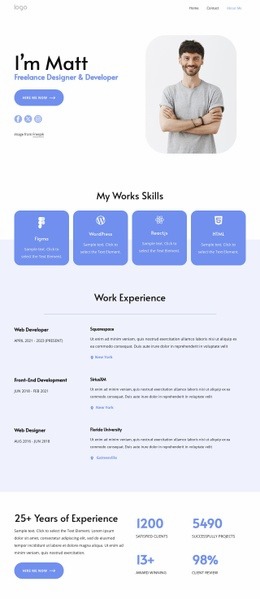






























































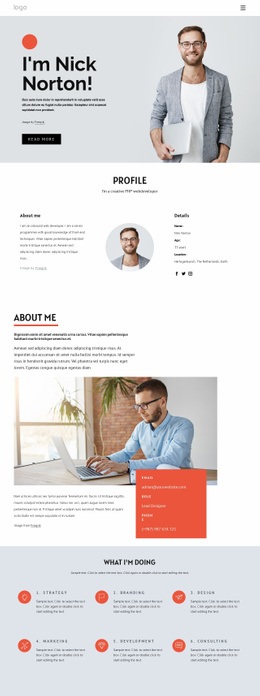
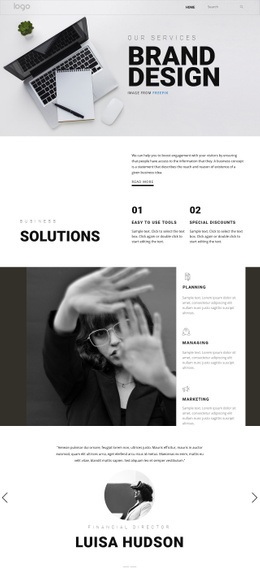
Business Law HTML Code Examples for Legal Website Sections
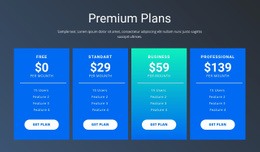
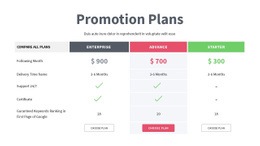
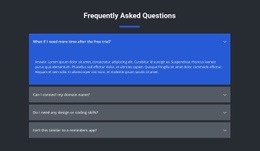
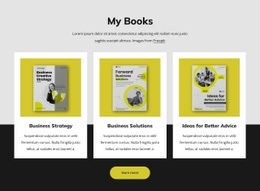
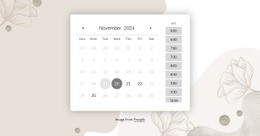
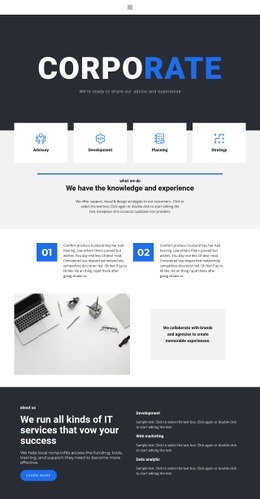
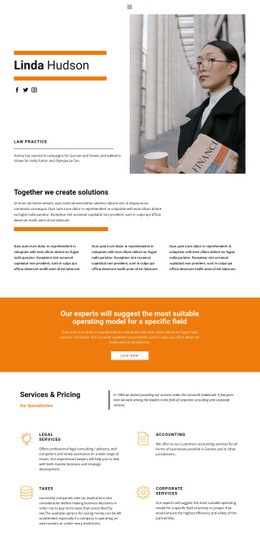
Sometimes a legal website needs a specific section or component rather than another complete page template. A developer may need a ready-made attorney profile block, practice-area section, consultation form layout, compliance notice, or another piece of HTML that can be adapted to the project.
Business law HTML code is useful in this component-focused workflow: choose a suitable block, adjust its content and styling, and use it as a starting point for the section you need.
A ready-made snippet can save time when an individual legal section does not need to be built from scratch. Select the required block, adapt the content, and then adjust the generated HTML or CSS where the project requires additional control.
Where HTML Blocks Are Useful on a Legal Website
A code section should address a specific page requirement rather than replace the entire website's structure.
Typical examples may include:
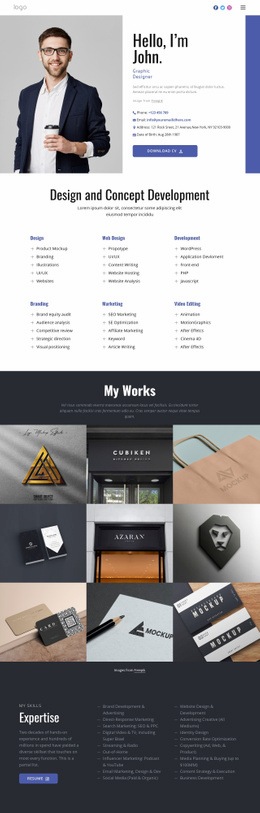
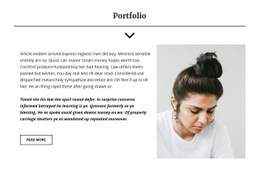
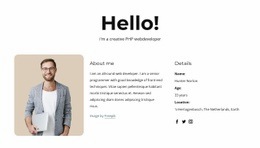
- an attorney or partner profile block;
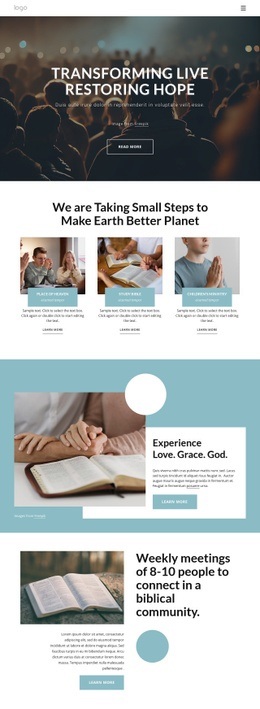
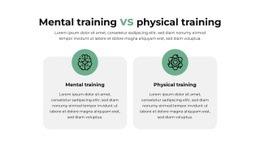
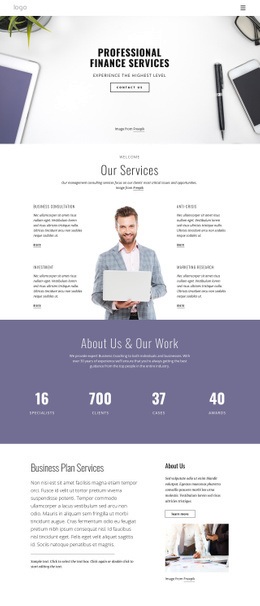
- a practice-area section;
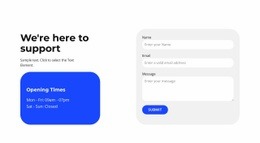
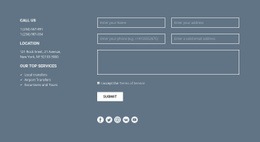
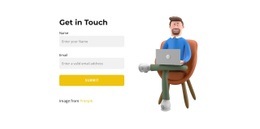
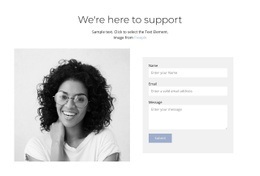
- a consultation or contact block;
- a legal or compliance notice;
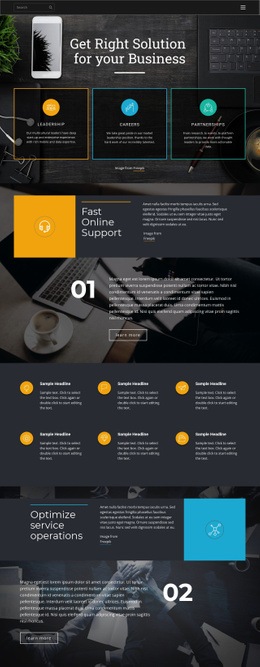
- an external widget or specialist component.
Use the Custom HTML Element when an individual section needs its own HTML. The HTML Element guide explains how external code can be added to a page. When appropriate, developers can copy and paste the required HTML into the relevant section and then adapt it to the surrounding design.
For styling that needs to be adjusted separately from the standard controls, add Custom CSS Code in Page Settings and assign the required class through the Property Panel.
Keep HTML Snippets Separate from Core Content
The main legal information should remain easy to find and edit even when individual sections use custom HTML.
Practice-area descriptions, attorney profiles, contact details, and important notices should not become difficult to maintain simply because a page includes one or more custom blocks.
Use descriptive CSS class names, keep page-specific styles separate from reusable rules where practical, and reserve custom scripts for a defined requirement.
Before using a snippet on the final site, check it across desktop, tablet, and phone layouts. A section that works on a wide screen may still need adjustments when displayed on mobile devices.
Prepare HTML Blocks for Developer Handoff
If another developer will continue working with the section or snippet, keep the changes easy to understand.
Document unusual classes or external components, avoid duplicate scripts without a clear reason, and keep each custom block focused on its intended function.
Individual sections can then be added to the appropriate pages and extended when the project requires more specialized behavior.
Business Law HTML Code Questions
What types of HTML sections are useful for a legal website?
Common examples include attorney profiles, practice-area blocks, consultation sections, compliance notices, contact elements, and specialist widgets that can be adapted to an existing page.
Can I use an HTML snippet for only one section of a page?
Yes. HTML snippets and blocks are useful when you need one specific component without replacing the rest of the page structure.
Can I adjust the CSS of an HTML block?
Yes. The styling of an individual block can be adjusted when the section needs to match the surrounding website design or responsive layout.
Use HTML Code Examples for Specific Legal Sections
- Choose an HTML block or snippet that matches the section you need.
- Replace the sample legal content and adjust the styling where necessary.
- Test the section across responsive views before adding it to the final page.
- Keep any additional code documented so the block remains easy to maintain.
Use ready-made HTML code examples for individual legal sections and adapt only the parts that require project-specific changes.