530 Education Html Code Examples



































































































Advanced Education HTML Code for Custom Academic Front Ends
Education HTML code is useful when a school, tutor, course provider, or agency needs more than a visual concept. The goal is a front-end result that can move into a technical workflow: generated HTML files, editable markup, and sections that developers can inspect, copy into a broader project where appropriate, or refine after export.
Generate Code for Real Education Components
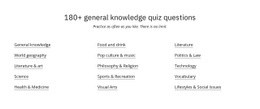
A course provider may need HTML for repeated course cards with titles, levels, dates, instructors, and enrollment buttons. A school may prepare subject lists, timetable sections, tuition tables, parent notices, or registration areas. A tutor can build a reusable lesson layout with objectives, materials, exercises, and next-step links.
Nicepage lets these structures begin visually. A courses section can include descriptions, schedules, instructor details, and calls to action, and you can export the resulting project as HTML for further front-end work.
This differs from an HTML template collection, which emphasizes selecting a ready site design, and from CSS-focused layouts, which focus on styling rules. Here, the useful output is the generated page code and the ability to extend or revise it in a developer workflow.
Developer Controls for Education HTML Projects
The Custom HTML Element lets you add external or custom markup inside a Nicepage page when standard elements don't meet a requirement. Custom CSS Code can extend styling at element, page, or site level; Nicepage documents these options in its Custom CSS settings.
Export Websites prepares HTML output from the Desktop Application. After export, technical teams can review or continue working with the generated files in their deployment environment.
Nicepage also provides Export Minimal CSS Per Page, which can generate a separate stylesheet containing only the styles required for that page. The minimal CSS export option is available through Site Settings.
Education-specific pages can keep their own metadata and structure. A tuition information page, for example, may combine fee tables, payment notes, scholarship information, and contact actions. A parent resources page may need notices, downloadable information, school contacts, and repeated policy sections.
Keep the Code Scenario Concrete
Use standard visual elements for parts that don't require special markup, then add HTML or CSS only where the education project has a real technical need. This makes handoff easier: designers can prepare the course or school layout, while developers can concentrate on integrations, custom components, or changes to the generated front end.
Education HTML Code Questions
Can I Import an Existing School HTML Website Into the Nicepage Editor?
No. Nicepage does not import an existing HTML or generated website into the Editor. You can use its features to recreate the required layout inside Nicepage instead.
Can I Add Custom CSS to a Tuition or Course Page?
Yes. You can add custom CSS for individual elements, a page, or the whole website when standard visual controls aren't enough.
Can I Continue Editing the Generated HTML After Export?
The exported HTML files can move into an external developer workflow, where technical teams can review and refine the front-end output as needed for deployment.
Move From Visual Layout to Editable Front-End Output
Prepare the lesson, course, tuition, schedule, or parent-facing section visually, add custom markup only where needed, and export the finished HTML for technical review or further development. This keeps the initial composition accessible while giving developers a concrete codebase to work with.