Brands Html Code Examples





















Practical Brands HTML Code for Structured Logo Sections
Brands HTML Code can be simple, readable, and useful. A client or partner section often needs little more than a clear wrapper, repeated logo structure, image markup, and optional links. The result depends on how well those pieces are organized for accessibility, maintenance, and responsive display.
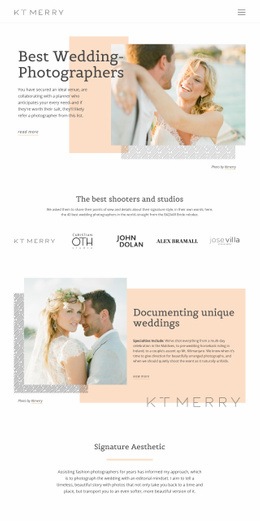
Structure Repeated Logos With Clear HTML
A logo collection can be represented as repeated items inside a meaningful section. Depending on the page, that may be:
- a list;
- a group of linked images;
- a simple set of containers with consistent classes.
The individual logo is commonly represented with an <img> element. When a logo links to a partner, sponsor, or supported product, it can be wrapped in an <a> element without unnecessary extra markup.
For individual images created in Nicepage, the Image Element provides the direct visual element for image-based content.
Write Useful Alt Text for Brand Marks
- For a linked partner logo, the organization name is often sufficient.
- Decorative duplication should not create noisy alternative text.
Keep alt text short and accurate, and avoid repeating an organization name when visible text already provides it.
Use Links Only When They Serve a Real Function
Not every brand mark needs to be clickable.
- Client logos may work purely as visual proof.
- Partner or integration logos may reasonably lead to more information.
When logos are links, the interactive area should remain usable on touch devices, focus behavior should be visible for keyboard users, and link purpose should be clear from the surrounding section.
Group Logos Semantically and Consistently
Keep the hierarchy clean and avoid wrappers that add no meaning or layout value.
The HTML Element is relevant when a project needs custom markup inside a Nicepage page while the rest of the layout remains visually managed.
Consider Loading Behavior for Larger Logo Collections
Below-the-fold images can use browser-supported lazy loading where appropriate. Above-the-fold logos should not be delayed in a way that causes obvious layout shifts. Explicit image dimensions can also help reserve space before files finish loading.
Keep Responsive Layout Concerns Separate From the Markup
HTML defines the content structure, while the visual arrangement can adapt through styles. A desktop list of logos may become fewer columns or a single-column list depending on screen width and supporting text.
Predictable repeated classes make later CSS work easier and help developers update one pattern instead of adjusting each item independently.
Brands HTML Code FAQ
Can I Import an Existing HTML Site Into Nicepage to Reuse Its Brands Section?
No. Nicepage does not support importing an existing HTML site or another generated site into the editor. The Brands section can instead be recreated in Nicepage and adapted to the project.
Do I Need a Developer for Every Brands HTML Code Adjustment?
No. Standard layout and visual editing do not automatically require a developer. Developer help may become relevant for complex non-standard logic or an individual implementation outside the normal visual workflow.
What HTML Elements Are Commonly Used for Brand Logos?
A typical section may use <img> for each logo, optional <a> links when a mark is interactive, and a repeated grouping structure that keeps the collection organized.
What Should I Check for Accessibility?
Use meaningful alt text where the logo conveys information, keep linked marks keyboard accessible, provide visible focus states, and avoid repeating the same organization name unnecessarily.
Build the Markup Around the Actual Logo Content
Start with the logos and relationships the page needs to show, then choose the simplest HTML structure that represents them clearly. Keep image markup consistent, add links only when they have a purpose, use concise alt text, and make the repeated structure easy to style and maintain.