280 Pets & Animals Html Code Examples

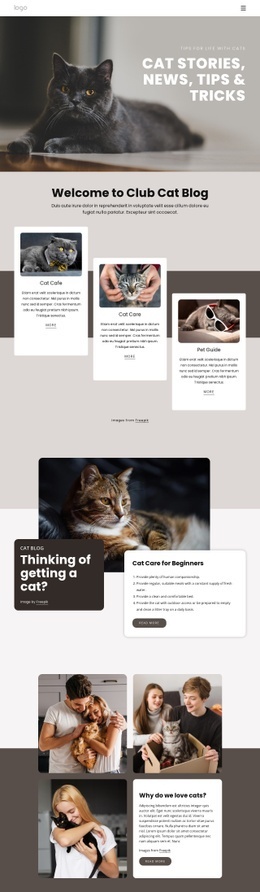
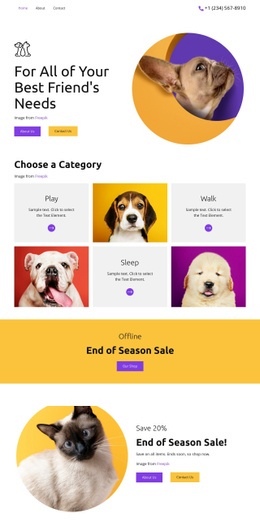

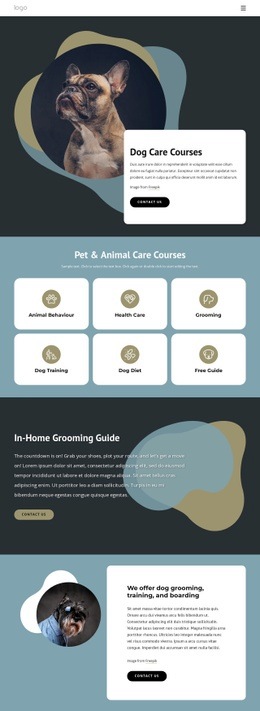
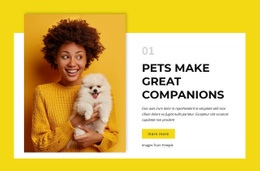


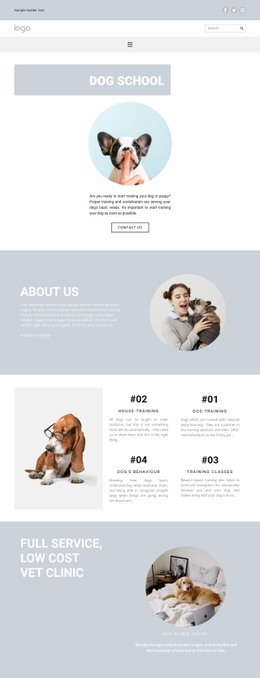
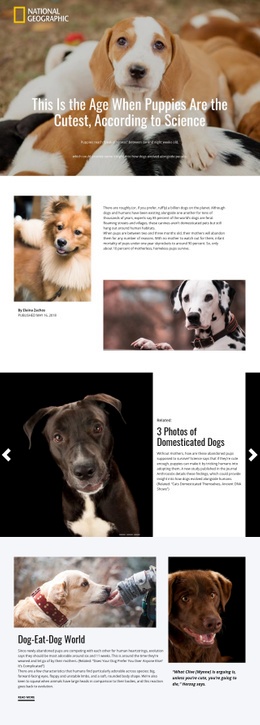



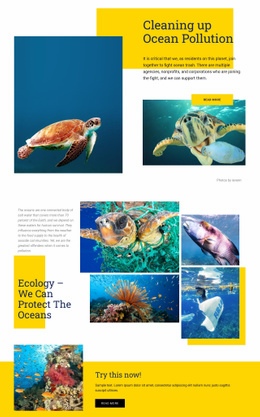


























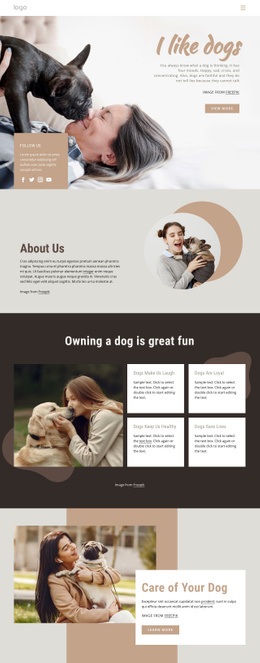




Pets & Animals HTML Code Examples for Custom Markup Blocks
Pets & animals HTML code is most useful when a project needs a single custom fragment within a larger page. It is not the same as an HTML Template, which represents a complete static site package. Here, the working unit is smaller: a markup snippet, an embed, a custom wrapper, a badge, a widget, or a third-party form.
A livestock-focused design direction can provide the surrounding visual structure, while a Custom HTML Element handles one requirement that standard elements do not cover.
Small HTML Code Examples That Fit Animal Sites
Typical cases include:
- a custom animal-status badge attached to a profile;
- an external booking or intake form embedded in a service page;
- a map or third-party widget placed inside a dedicated wrapper;
- a small profile fragment with fields that need custom markup;
- a specialist adoption form supplied by another service.
The Custom HTML Element should remain the central tool for this workflow. Add the markup needed for the fragment, keep the rest of the page in normal editable elements, and test the result in context. A small status fragment, for example, could be as narrow as:
<div class="animal-status">
<span>Available for adoption</span>
</div>
The point isn't this exact markup, but the scale of the task: one isolated block rather than an entire site source tree.
Custom CSS can support the snippet when you need to isolate or extend its styles. Nicepage's Custom CSS controls let you apply additional rules at the element, page, or site level. For a dairy-related website direction, for example, a custom status label or external booking widget can be integrated without converting the whole page into hand-written code.
HTML Code vs HTML Templates
HTML Code covers a fragment or custom block inserted into a page.
HTML Templates cover a complete static project with HTML pages, stylesheets, scripts, assets, and a folder structure suitable for deployment or handoff.
Keeping that boundary clear prevents a small customization task from turning into an unnecessary full-site code workflow.
Keep Custom Markup Isolated
A custom fragment is easier to maintain when its purpose and boundaries are obvious. Use standard elements for ordinary headings, images, cards, galleries, and forms whenever they already solve the need. Reserve custom markup for the exceptional requirement, then inspect the snippet for valid structure, keyboard behavior, responsive layout, and any third-party dependencies.
For a butterfly-focused site, the ordinary species content can remain visual while a special embedded data widget is isolated in one block. The minimal CSS per page export option may still be relevant in a broader delivery workflow, but it is secondary to the HTML Code intent rather than the core reason to use a snippet.
HTML Code Questions for Animal Projects
How is HTML Code different from an HTML Template?
HTML Code refers to an individual markup fragment or embed used inside a page. An HTML Template is a complete static site package with pages, stylesheets, scripts, assets, and a project structure.
Can I add custom markup for a specialized livestock or wildlife requirement?
Yes. The Custom HTML Element accepts HTML and CSS code to provide functionality not covered by a standard Nicepage element. Keep the custom block limited to the specific requirement so the surrounding page remains easier to edit.
What should I test after inserting a third-party form or widget?
Check the markup in context, responsive behavior, keyboard access, loading behavior, external dependencies, and how the page behaves when the third-party service is slow or unavailable.
Insert, Inspect, Adapt, Test
Add only the fragment you need. Fit it into the existing animal page, isolate any custom styles, inspect the resulting markup, and test the behavior across relevant screen sizes. The goal is a maintainable custom block, not another complete exported website.