
Pollution Website Templates
Environmental organizations may need separate destinations for pollution data, research, prevention programs, projects, and institutional information. A complete website template connects those roles through shared navigation rather than compressing every subject into a single page.
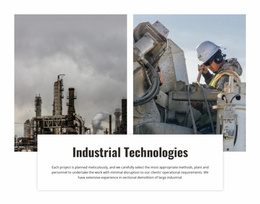
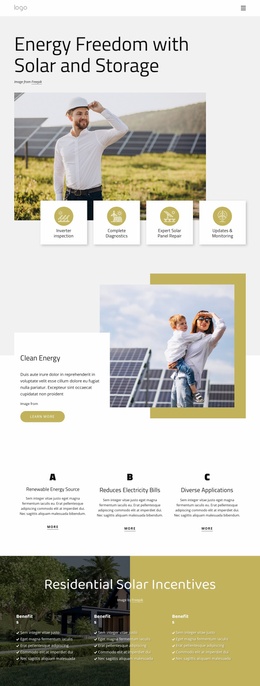
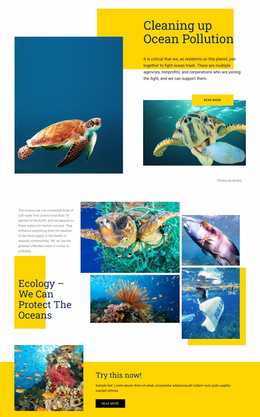



More Website Templates from Nature Category
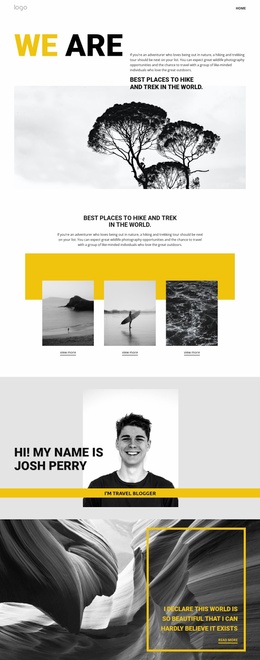




























Other Nature Website Templates
Advanced Pollution Website Templates
A resident wondering whether the air is breathable this afternoon and a scientist hunting for last year's assessment want very different things from one environmental organization. Website templates help because they come with a structure you can shape into separate destinations, rather than crowding every subject onto the homepage.
A Page Set That Matches Visitor Goals
Most demos open with a homepage, an About page, and a Contact page, which say almost nothing about pollution work. The useful question is which environmental subjects deserve their own destination, and the audience answers that long before the design does.
Different visitors arrive with different questions, and a page set works when each one lands somewhere sensible:
- Air Quality, for residents checking today's conditions before they go outside.
- Pollution Sources, for anyone tracing where the emissions come from.
- Reports for researchers and journalists who need the underlying evidence.
- Cleanup Programs, for volunteers and local authorities looking for a way in.
About and Contact still belong somewhere, though they work best as supporting stops once the environmental subjects have their space. Nicepage categories mix individual pages with larger sets, so check how far a chosen design can be extended before settling on it.
Menu Paths Into Deeper Environmental Records
A Website Menu, shared through a Header or Footer, keeps the main subjects accessible from anywhere. What deserves real thought is which entries stay at the top level, since one district or an old study clutters the menu without helping anyone.
Environmental material also grows in layers, and the strongest structures nest their destinations:
- Monitoring opens onto a region, and a region opens onto an individual station.
- Research holds an index of studies, with each study keeping its own address.
- Programs list active initiatives, and each initiative collects its own updates.
The index-and-detail pattern makes an environmental portal readable at two speeds. After the headline, a visitor stops at the overview, while a colleague checking the methodology keeps clicking down.
Room To Grow As Cleanup Work Expands
Pollution projects expand in predictable directions. A monitoring region joins the network, the annual assessment arrives, and a campaign that began as a single paragraph becomes its own area. Structures with obvious slots for that absorb the growth quietly.
The Nicepage Dashboard becomes useful at that stage, since it keeps a project and its individual pages in a single list; the guide on starting a project there outlines the path to publication.
The comparison worth making is between a template's destinations and your own program. When monitoring, evidence, and public guidance are already in a sensible order, most of the architecture is settled before the first paragraph is written.