
Forms CSS Templates
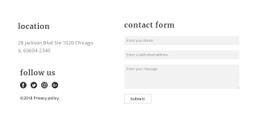
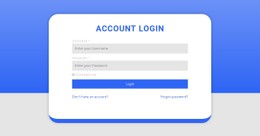
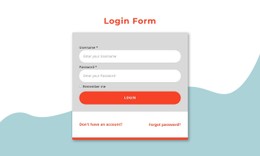
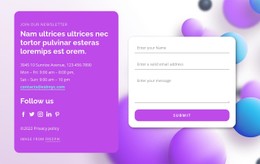

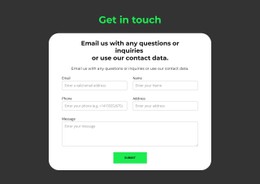






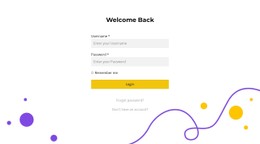
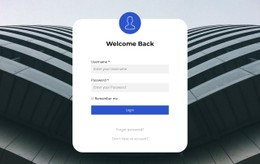
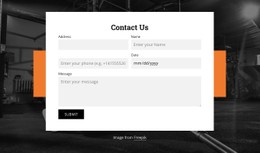
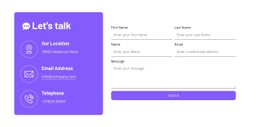







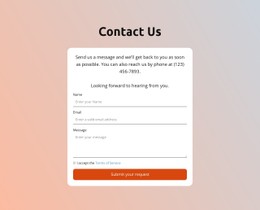
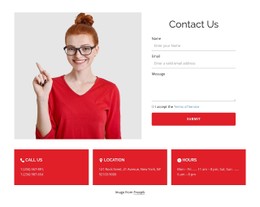
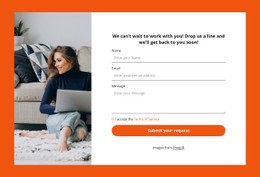
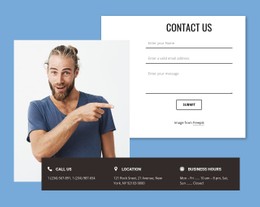






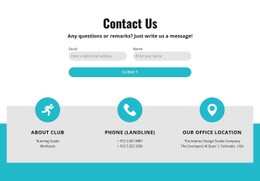
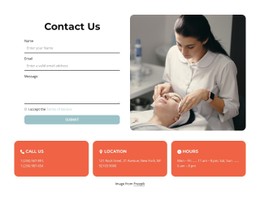
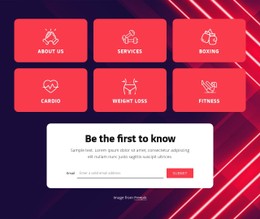

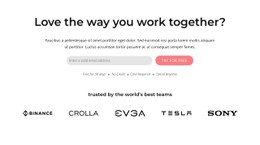
More Website & HTML Templates for Forms


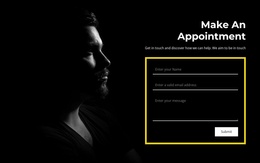
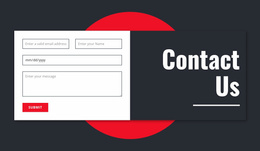
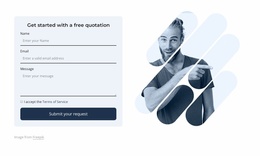

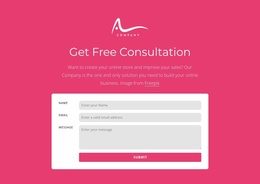
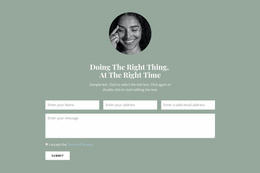
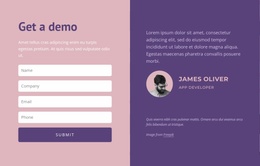


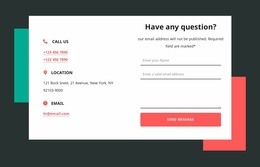
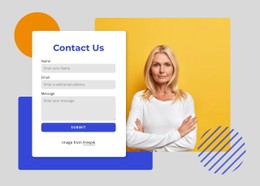
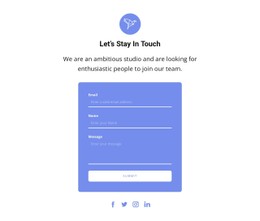
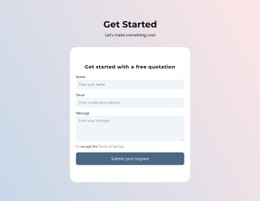
Other Contact Form CSS Templates
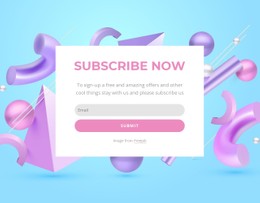
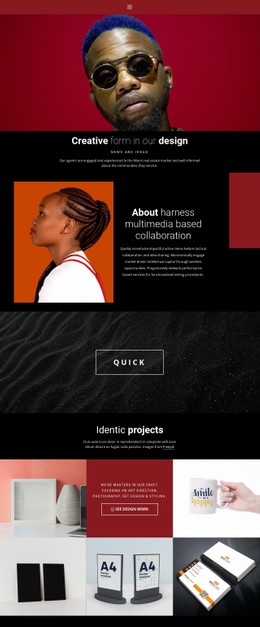
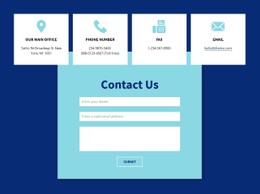
Improve Data Collection Experiences With Forms CSS Templates
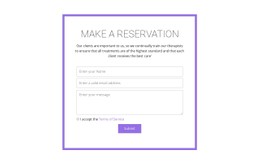
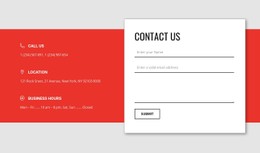
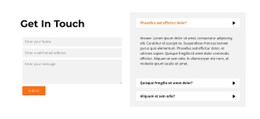
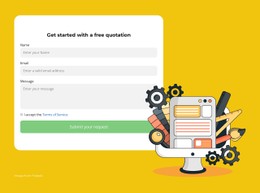
Forms are often one of the most important parts of a website. But they’re also one of the most common places where users abandon the entire browsing process and leave a page. Long fields, unclear layouts, and poor visual organization can make even simple tasks feel unnecessarily difficult. Forms CSS templates help organizations create cleaner and more approachable form experiences through styling systems designed around usability.
These templates support a wide variety of projects. With their help, a consulting firm may organize contact forms, quote requests, and client onboarding questionnaires in a way that feels easier to complete. Some educational institutions also rely on these layouts because applications, enrollment forms, and information requests need to remain accessible across different devices.
If your plan is to get familiar with CSS, then there’s nothing to worry about: learning this tech is relatively easy. Many users report that around 25 hours of practice is enough to get a good grasp of the basics. An additional 200 hours will take you to a professional level.
Flexible Styling Sheets for Registrations, Applications, and Requests
Modern websites often contain multiple types of forms. Contact requests, subscriptions, surveys, bookings, and account registrations may all exist within the same platform.
The main advantages include:
- Responsive styling for all modern devices.
- Flexible typography for instructions and field labels.
- Customizable visual systems for different industries.
- Better spacing between fields and sections.
- Stronger emphasis on important actions and next steps.
- Editable styling components for future updates.
Making User Input Feel Less Like Work
Many form-related problems are not caused by the questions being asked. They are caused by presentation. When users can clearly see what information is required and where they should focus next, the process feels much smoother. Design teams often appreciate CSS templates because they create consistency across different types of forms. Registration pages, support requests, applications, and surveys can all follow the same visual language while serving different purposes.
The users also gain from this consistency. The individual asking for a consultation is usually looking for clarity and simplicity. On the other hand, another person who fills out an application needs to provide detailed information and go through several different sections. Consistent styling makes these actions easier for the user. Consistency becomes more important as the website grows. One can add new forms without making them seem detached from the rest of the site.
Build Forms That Encourage Participation
A well-designed form can really help users focus on their goal rather than the interface. Take a look at these forms CSS templates. They work really well for businesses, educational institutions, and digital platforms that want stronger user experiences. Explore the offerings and create forms that feel clear, efficient, and easy to complete.