
Car Website Mockups
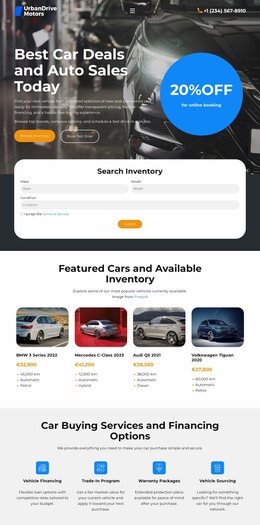
A showroom concept can look polished until real vehicle data fills the screen. Use an automotive mockup to test inventory hierarchy, image scale, specifications, pricing, and inquiry placement before implementation.













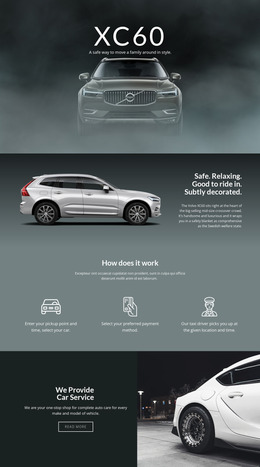
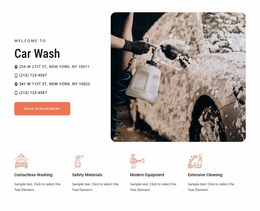
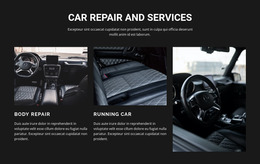


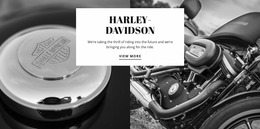
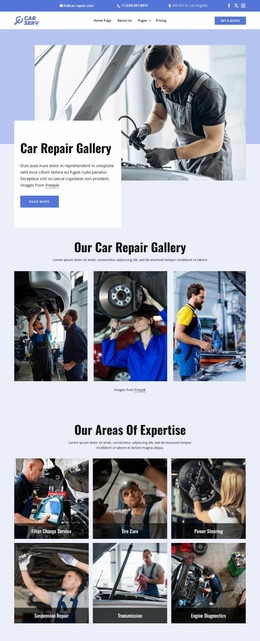
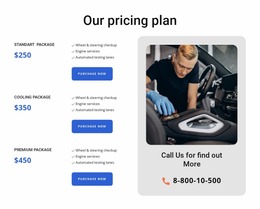
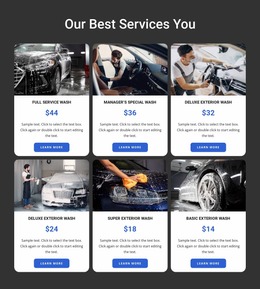
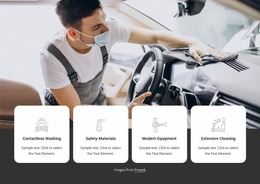










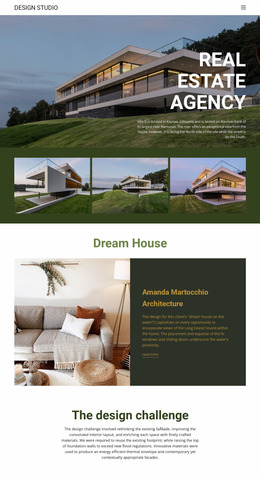
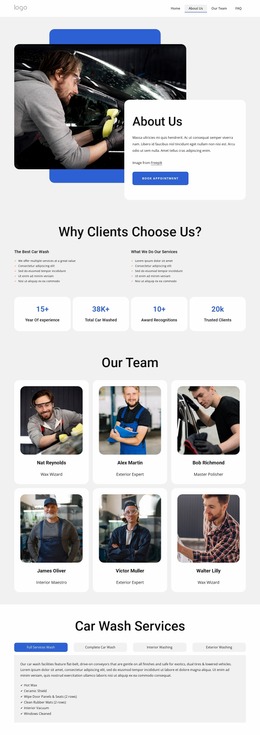
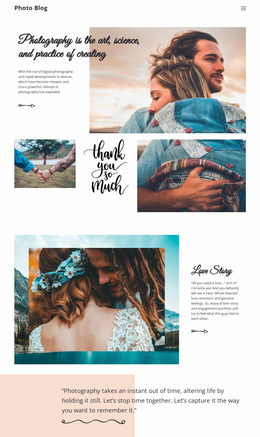
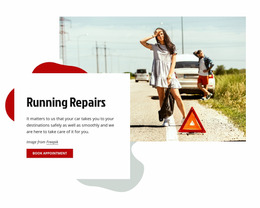
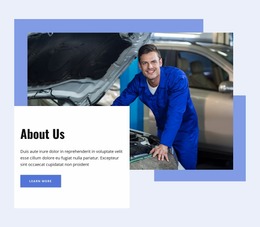


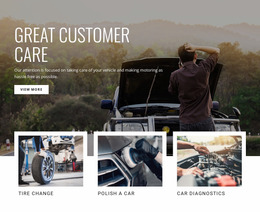
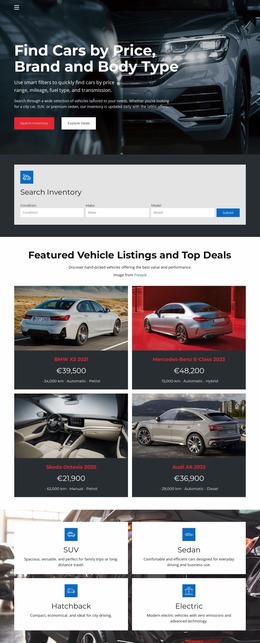


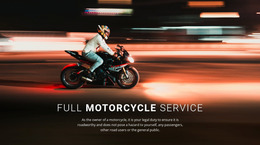

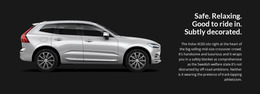
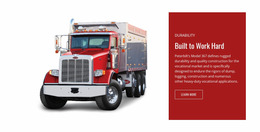
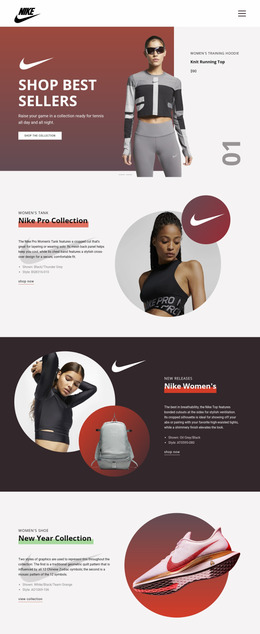








Other Cars & Transportation Website Mockups
Creative Car Website Mockup for Automotive Planning
A car site mockup is the visual model of the finished screens, drawn at real proportions before anyone writes code. Model names, prices, and mileage figures go into it at their true length, together with the buttons a visitor is expected to press. That is precisely what a tidy placeholder concept never shows.
Sketch Screens Buyers Actually Scan
Three areas carry most of the risk, so they earn the first round of attention:
- the opening showroom view with its lead image and headline offer;
- the stock grid where many vehicle cards sit side by side;
- the full vehicle view with photography, specifications, and a contact action.
Each of them is a stack of concrete decisions. How large do the photos run? How much space does a price need next to a model name? How many figures can a card hold before it starts to look like a spreadsheet? Answering that on a canvas costs an afternoon of drawing, while answering it in a built interface costs a rebuild.
Stress Tests That Expose Cramped Cards
Take a used estate with a long trim name, add its price, its mileage, and an automatic gearbox label, then look at the card on a tablet. The title wraps to three lines, the price slides out of view, and the button disappears under the fold. That single check settles more layout arguments than a week of meetings.
Nicepage Freehand Drag-And-Drop places text, images, and grids directly on the canvas, so two competing compositions can sit side by side for comparison. Grid Columns then provides alignment references for headings, cards, and prices, and the Grid Columns documentation explains how the guides work.
Two mockups for the same business usually part ways here. A used-car lot wants dense cards, modest photography, anto show d eight vehiclee at once. A specialist showroom wants one car per row, plenty of air, and specifications held back until the detail view.
Handover Signals Worth Trusting
A mockup is finished when real content no longer breaks it. Long names wrap without pushing the price out of sight, cards keep an equal height across a row, and the main action stays visible on a phone.
The last signal is quieter but more telling. A developer can build from the mockup without asking what should happen when a photo is missing, when a description runs to a single line, or when a car sells while someone is still looking at it. Every ambiguity that survives this stage turns into an argument during the build, where it costs considerably more to settle.