
Uniform HTML Templates
Uniform catalogs need clear product facts, size information, audience labels, and inquiry sections. Ready-made HTML templates give those content types an organized markup structure you can adapt without rebuilding every section from scratch.































































More HTML Templates from Medicine & Science Category










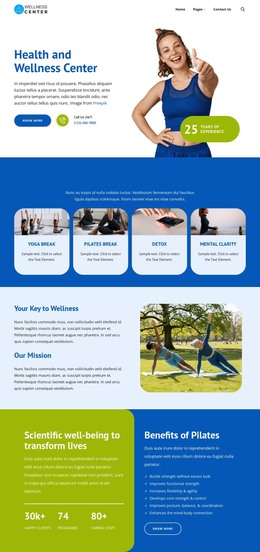
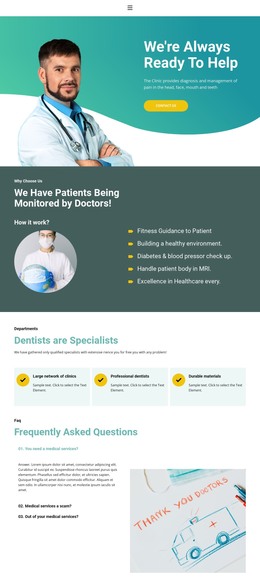

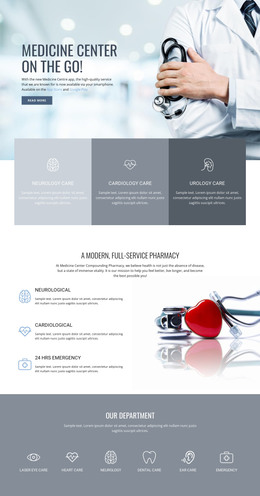
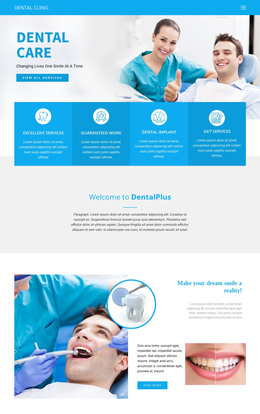








Other Medicine & Science HTML Templates
Editable Uniform HTML Templates
Uniform HTML templates suit suppliers who want a finished store design and full control over where it lives. You customize the layout visually in Nicepage, add your garments and the logo options clients ask about, then export the project as HTML files to host yourself. Anyone comfortable with code can edit those files by hand afterward.
A ready homepage can do a fair share of the selling. Its top area might show a maintenance crew in matching coveralls, with school and business categories just below. Further down there is room for embroidery services, featured products, and a quote button.
Catalog Layouts That Come Already Coded
A uniform HTML template can be a whole set of linked pages that adjust to phones. These layouts are worth checking first:
- category pages that group garments by school, trade, or role;
- a product layout with room for several photos and fabric notes;
- a personalization block for name badges and crest patches;
- a contact page set up for bulk quote requests.
A work jacket and a school blazer need different details. The jacket page covers fabric, available colors, and the jobs it suits. The blazer page covers the crest, size range, and order deadline. A prepared HTML template can present both through one product layout, and each new garment follows the same pattern.
Outfitting Whole Crews at Once
A facilities company buys the same shirt for its entire crew on a single purchase order, so the size chart matters more than it would in an ordinary clothing store. Buyers also want to see where the logo sits before signing off. Later, that company returns for a couple of shirts whenever someone new is hired. A few details in the product blocks show whether a template can handle that:
- a size table wide enough for a full run of sizes;
- a spot near the main photo for logo or crest placement;
- care notes for clothes that get washed after every shift;
- a short reorder form for replacement items.
Life After Export
Exported files usually go to a freelance developer or a staff member who knows some HTML. Routine edits are easy to predict: new garments go in, old photos come out, and the size table changes when a manufacturer adjusts its cut. Direct access also allows the developer to integrate the quote form with the supplier's ordering software.
The demos worth shortlisting are those whose product and order layouts already resemble how you sell, by school or by trade. With those, the developer's hours go into integrations, and filling the catalog is mostly typing.