
Challenges HTML Templates
Unlike a full challenge website, an HTML template focuses on the markup foundation itself. Rules, eligibility, rewards, deadlines, and entry instructions can be organized into clear, reusable sections that remain readable and adaptive across devices.














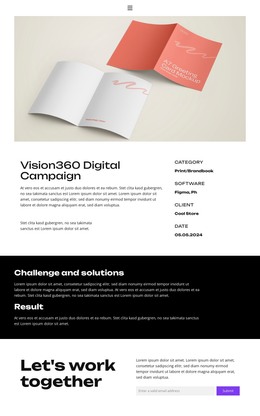













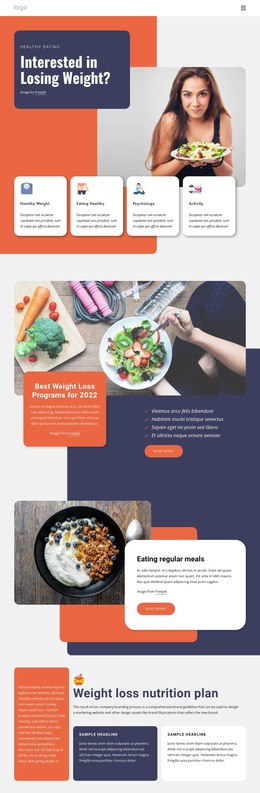










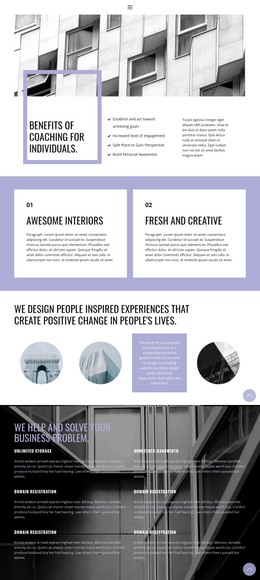































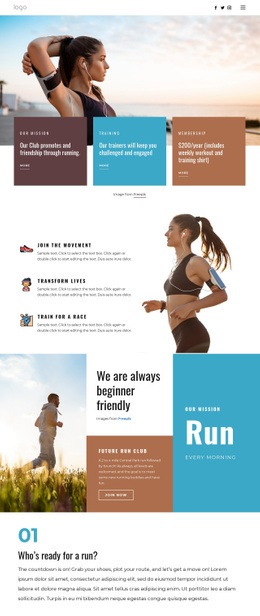



More Website & HTML Templates for Challenges














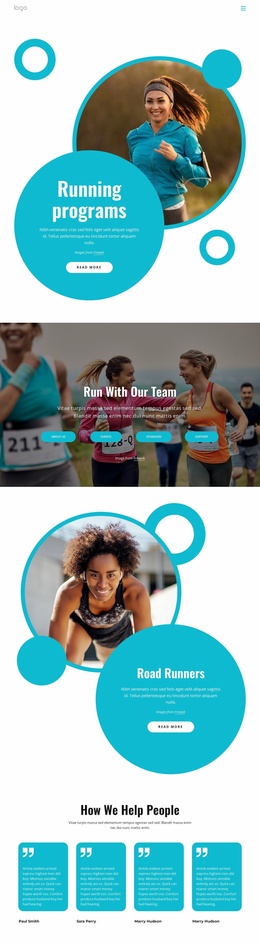



More HTML Templates from Landing Page Category









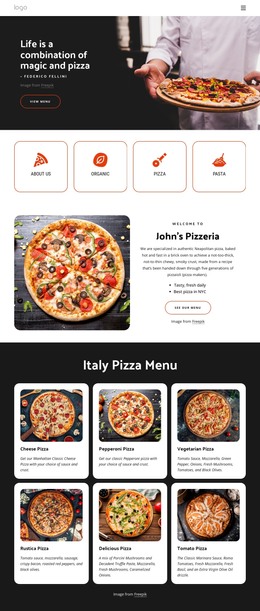



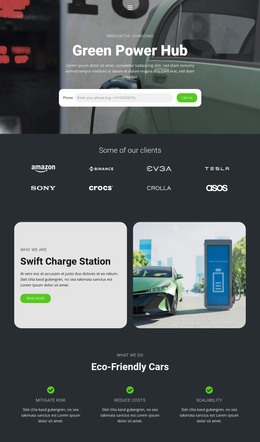

















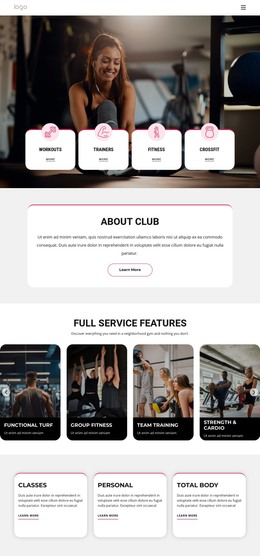
















Other Landing Page HTML Templates
Customizable Challenges HTML Templates
A challenge HTML template is a version of a design you can open and rewrite yourself. The layout arrives as source files, which suits a developer who has to wire the entry form into an existing backend. Contest material also changes late, often after promotion has started, and editable markup is what keeps those last-minute corrections cheap.
Components Built Around Contest Rules
Challenge content is what separates these templates from a generic set of blocks, so look at how a demo handles the parts no competition can do without:
- a deadline block, edited the moment dates move;
- prize cards that have to survive rewards described in a line and in a paragraph;
- a rules area, often collapsible, because legal wording only ever grows;
- an entry form pointing at whatever service actually receives submissions.
Judges and winners are the sections that recur most often. A single profile block, duplicated with different names and photos, covers the jury before the challenge and the winners after it, and copying that block in the source beats maintaining two separate variants.
Editing Markup by Hand
The corrections a challenge asks for are small and endlessly repeated. A date moves, a sponsor joins, a category is added, and each of those edits sits in a single, identifiable spot once the sections have sensible names.
A leaderboard deserves a decision before you commit to a template. Standings updated by hand every week are fine as a simple table in the markup, while a challenge pulling results from a spreadsheet or an external service needs an obvious slot in the source for that script to sit. Entry handling is worth the same look, since submissions usually have to reach an existing system, and the markup only has to leave the endpoint reachable.
Publishing on Your Own Hosting
Nicepage exports a project as ready HTML files, and the export documentation describes how the package is produced. Those files are not locked to Nicepage hosting, so they can go to a client's server, to a company environment behind a login, or wherever the challenge is meant to live.
For a one-time contest, that freedom is a pleasant extra. For one that returns with new dates, new judges, and a new sponsor, it decides whether the second run starts from the files you already have or from a blank project. Organizers who keep their own copy tend to rewrite only the parts the challenge itself changed and leave the entry section where it stands.