
Wildlife Website Designs
-
-

-
-
-
-
-
-
-
-
-
-
-
-
-
-
-
-
-
-
-
-
-
-
-
-
-
-
-
-
Free Website Builder SoftwareDownload
-
-
-
-
-
-
-
-
-
-
-
-






More Website & HTML Templates for Wildlife
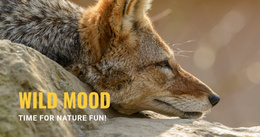
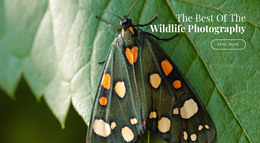
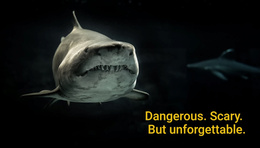
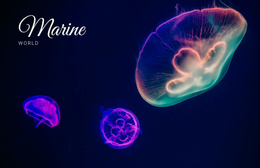
More Website Designs from Nature Category
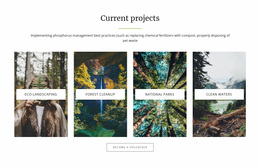
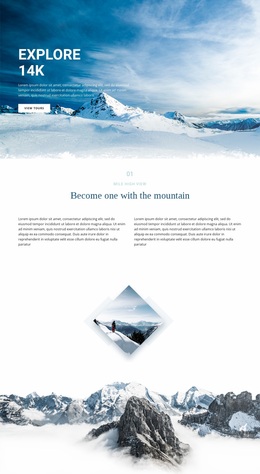
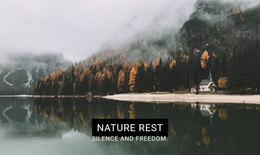
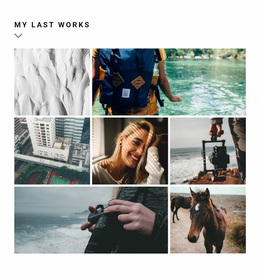

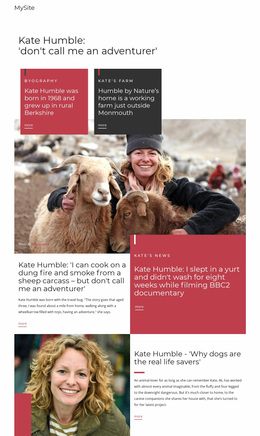
Other Nature Website Designs
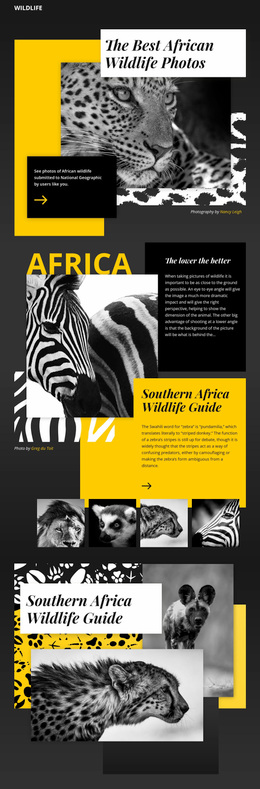
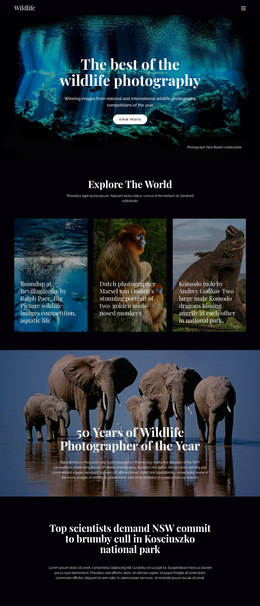
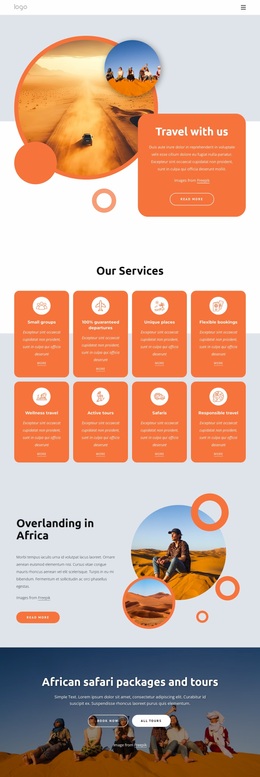
Creative Wildlife Website Design
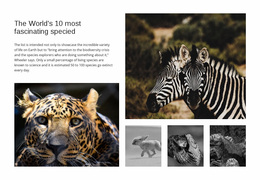
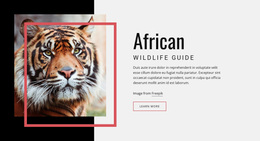
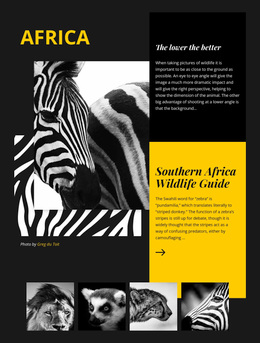
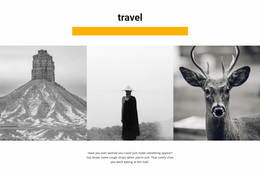
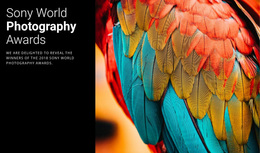
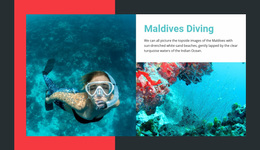
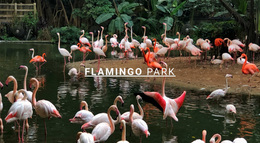
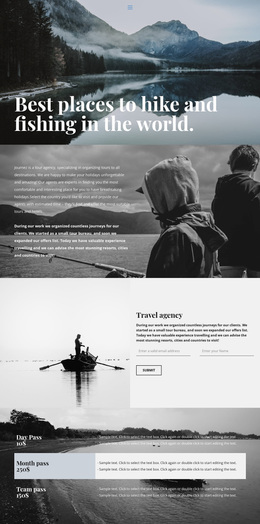
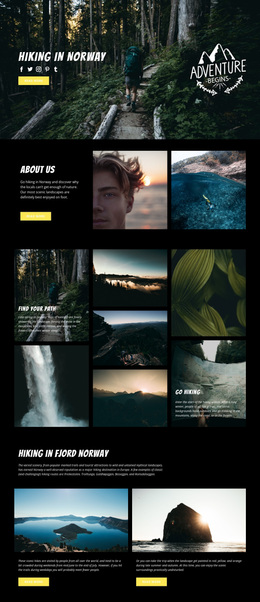
Visual design is one of the most important aspects of a successful wildlife website. A website with optimized wildlife photography can get 35% more interactions. Wildlife website design is all about creating an engaging experience that helps visitors connect with nature, animals and conservation efforts.
Good design is especially important for wildlife organizations, national parks, zoos, conservation groups, photographers, rescue centers and ecotourism businesses. Studies show that users form an opinion about a website within seconds, so a professional look can have a strong impact on trust and engagement.
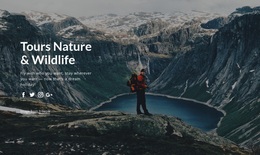
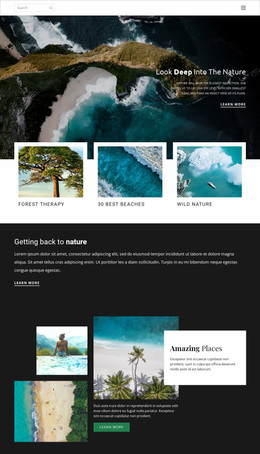
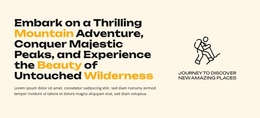
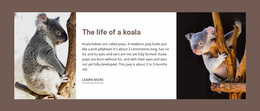
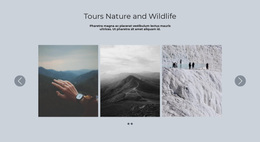
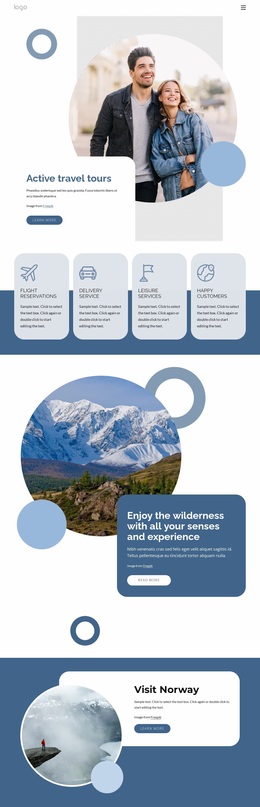
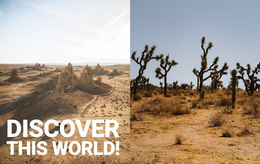
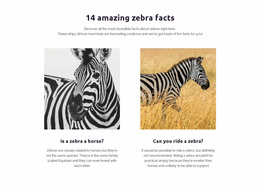
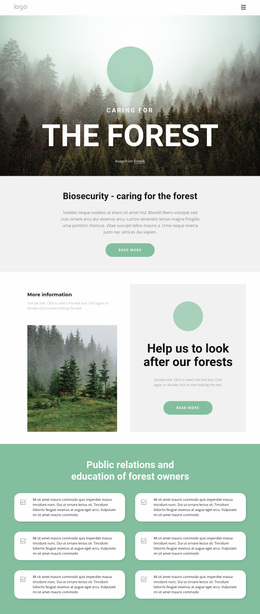
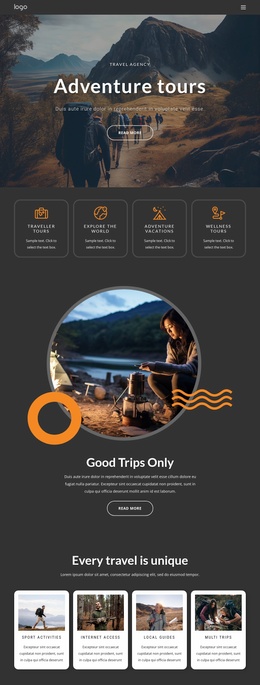
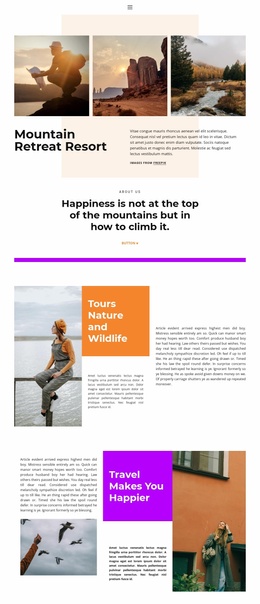
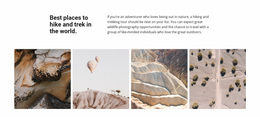
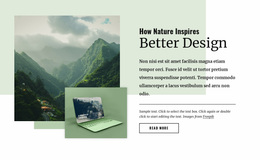
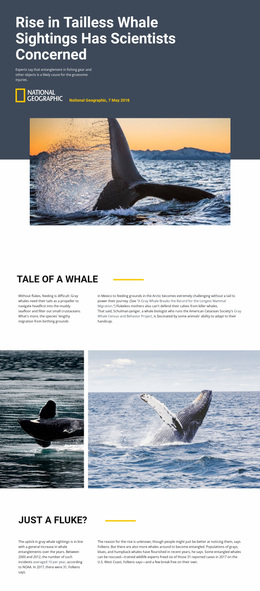
Nature website designs often include prominent image sections, species spotlights, educational blocks, event pages and donation areas to facilitate awareness campaigns and community participation. Responsive layouts also ensure that photos, articles and conservation updates look great on any device. Good design can help wildlife projects attract more visitors, engage more people and communicate their mission more effectively.
Create Strong Visual Experiences for Wildlife Audiences
Many wildlife sites rely on powerful images and compelling stories to draw in visitors. If the intention is to highlight wildlife photography, encourage conservation, share educational resources, or raise awareness of environmental projects, a good website can help to present information in a clear and interesting way.
Visitors should be able to flow from one part of the site to the other without feeling overwhelmed. Good design guides the user’s eye to key information, highlights important messages and creates a seamless browsing experience that inspires people to learn more about wildlife and conservation issues.
Key design elements of wildlife web design include:
- Visual Hierarchy
- Clear Navigation
- Wildlife Photography
- Balanced Layouts
- Strategic CTA
These design elements combine to create an engaging online experience that supports education, awareness and conservation goals. Visually appealing and organized content on wildlife websites can keep visitors on them longer and encourage them to explore environmental topics and initiatives more deeply.
Make Better User Experience and Content Presentation
User experience is a key component in how wildlife organizations engage with their audience. A well-organized website makes it easier for them to find this information and encourages deeper engagement with the content.
A thoughtful approach of wildlife digital design supports:
- Better Readability
- Conservation Messaging
- Educational Content
- Improved Accessibility
- Visual Identity
Clear design can help a website to communicate information more effectively, whether it is promoting conservation projects, educational programs, wildlife tourism, research initiatives or community outreach efforts. Wildlife websites that include good usability and interesting presentation of information can enhance visitor satisfaction, increase awareness and generate further support for environmental and conservation objectives.
Transform Wildlife Ideas Into Memorable Experiences
Use wildlife website design solutions today to gain benefits. Adopt a design that aligns with your mission. Motivates visitors to participate in wildlife and conservation initiatives today.