280 Pets & Animals Website Designs
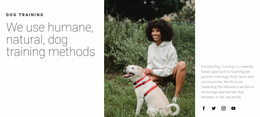











Pets & Animals Website Design as a Site-Wide Visual System
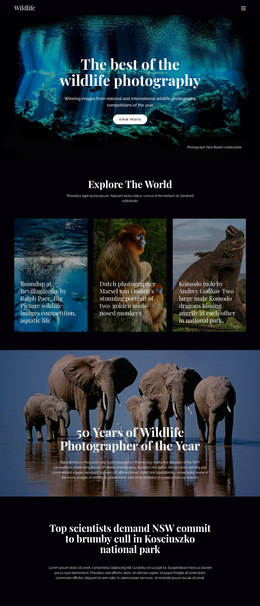
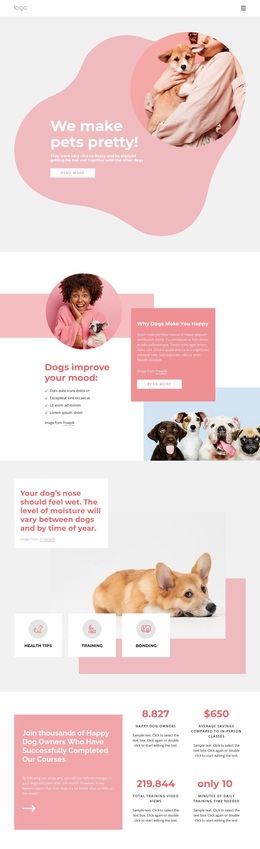
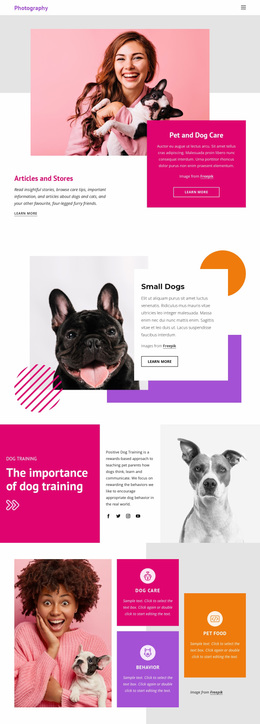
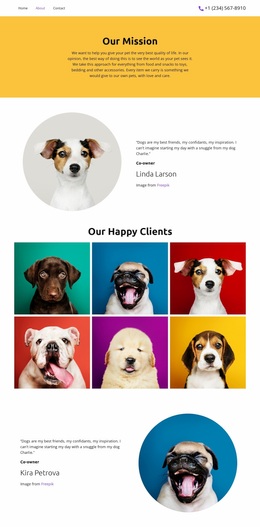
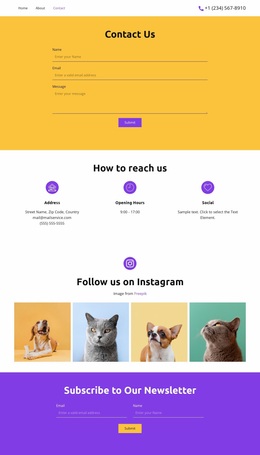
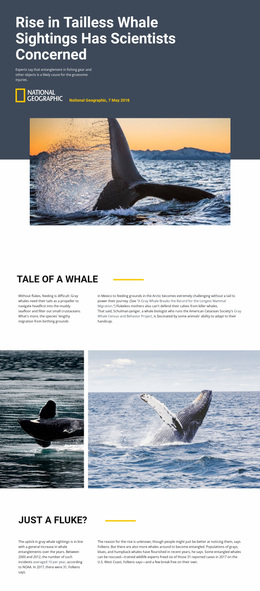
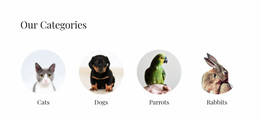
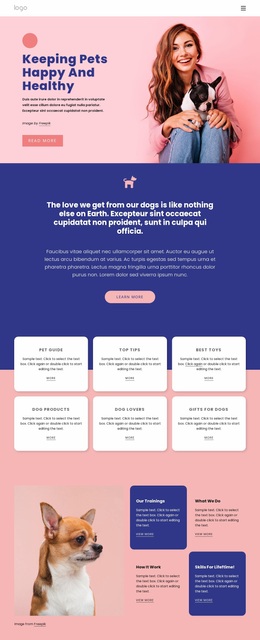
Pets & animals website design is broader than the homepage's first-screen sequence. It defines the visual rules that should remain recognizable across service pages, animal profiles, articles, forms, and contact screens: typography, image treatment, spacing, hierarchy, color, button levels, and the balance between emotional imagery and practical information.
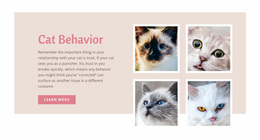
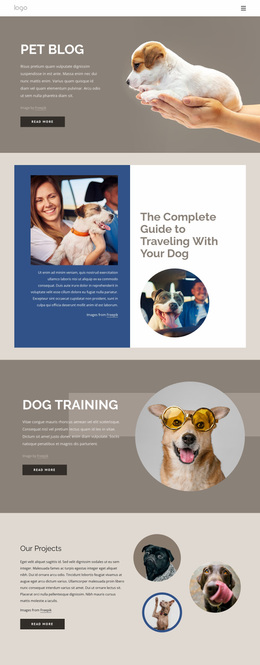
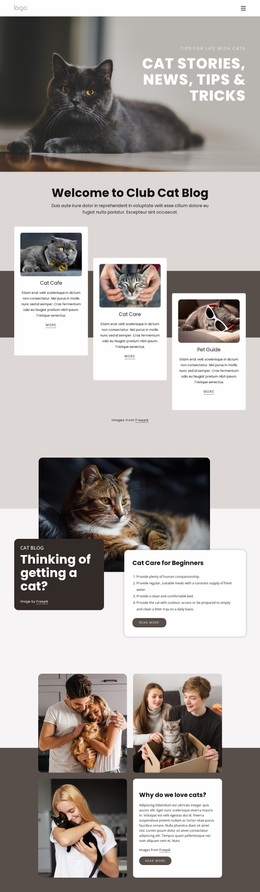
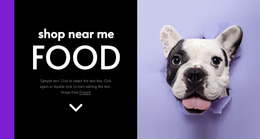
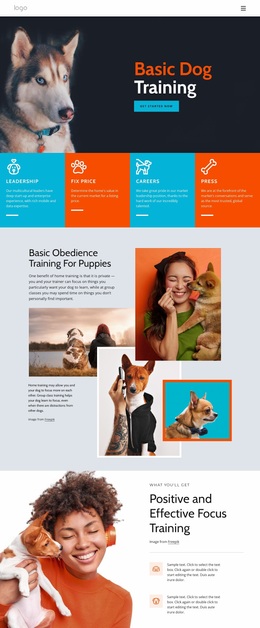
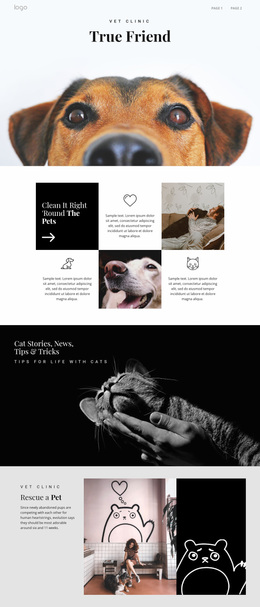
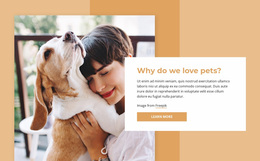
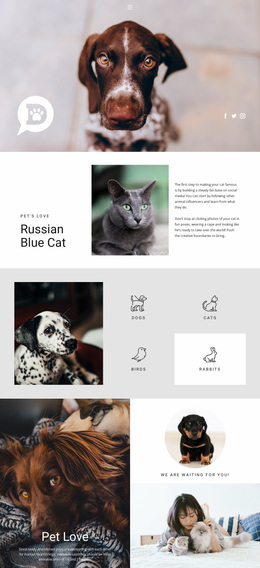
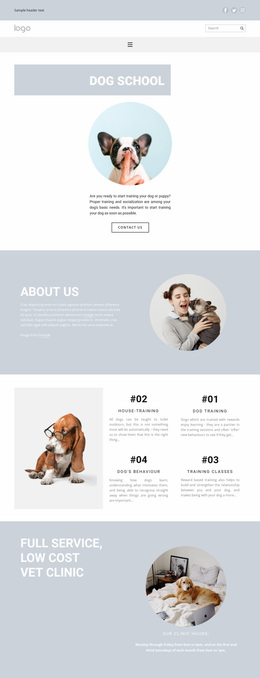
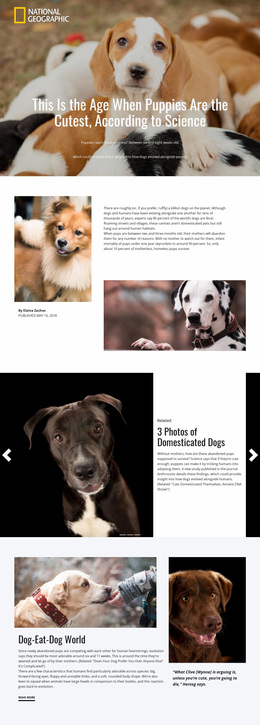
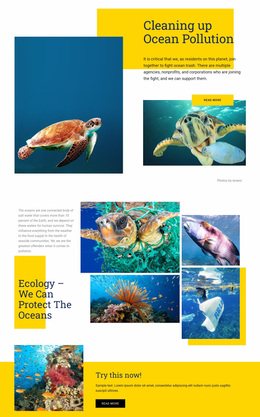
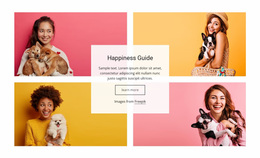
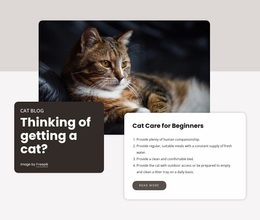
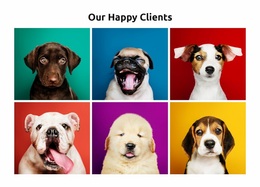
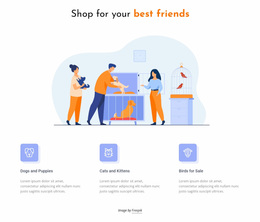
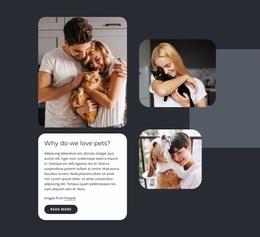
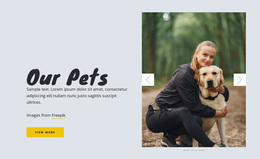
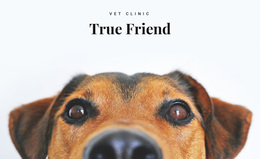
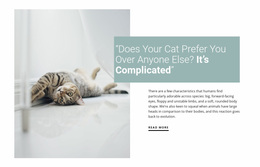
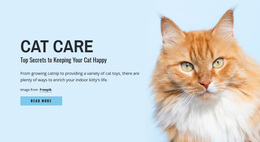
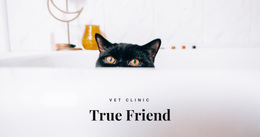
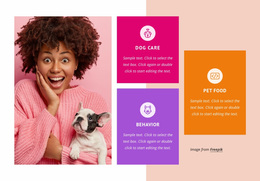
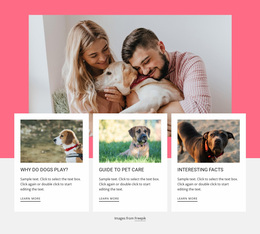
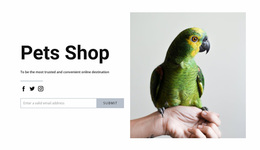
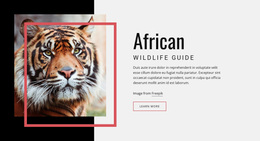
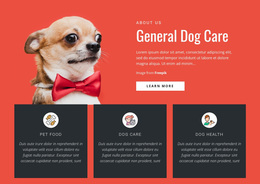
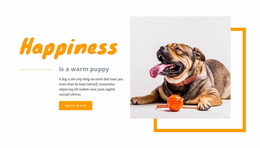
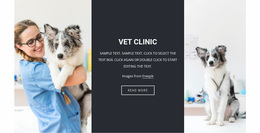
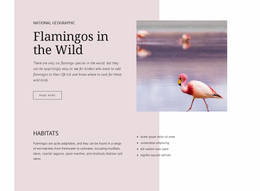
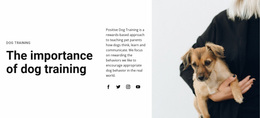
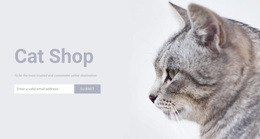
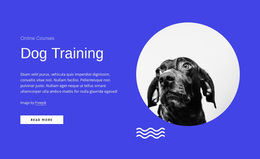
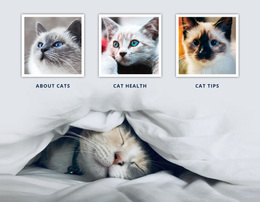
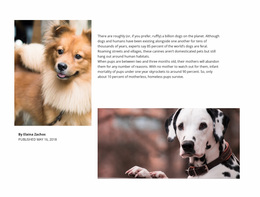
A veterinary site may use restrained spacing, calm color contrast, environmental clinic photography, and precise service hierarchy. A shelter can support stronger emotional storytelling through close portraits while still keeping adoption information readable. A premium breeder may benefit from an editorial layout with fewer competing elements, while a pet shop may prioritize product clarity and denser category navigation.
Design the System, Not Individual Effects
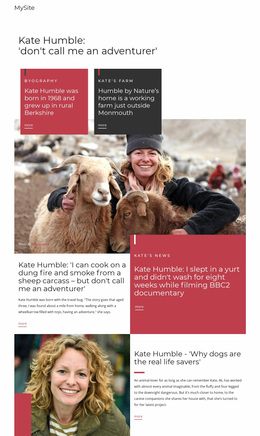
Start with hierarchy. Decide how page titles, section headings, supporting copy, labels, and calls to action relate visually. Then define typography pairing and spacing so those levels remain consistent throughout the site.
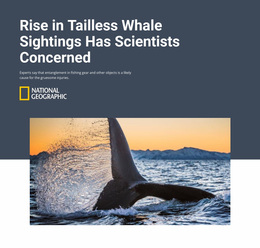
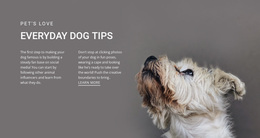
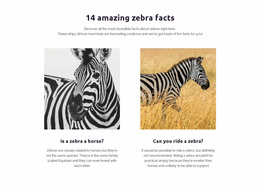
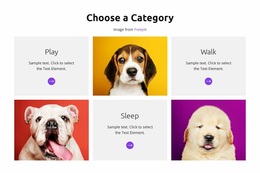
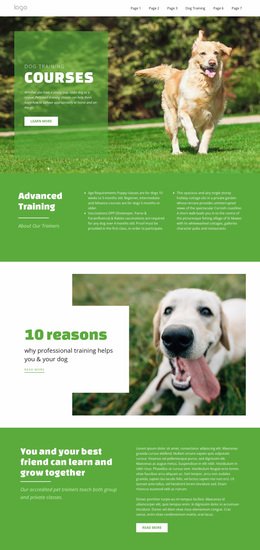
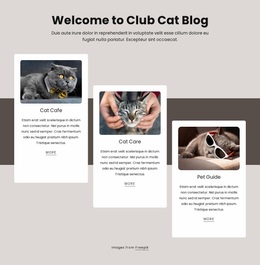
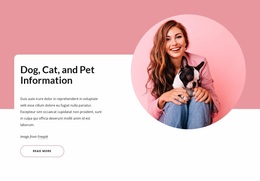
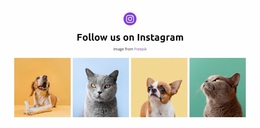
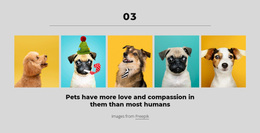
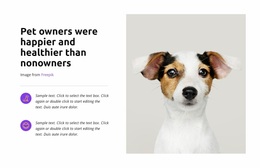
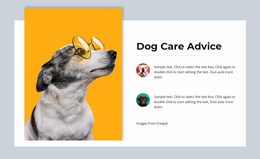
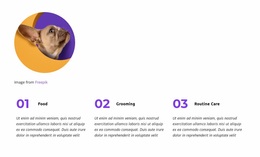
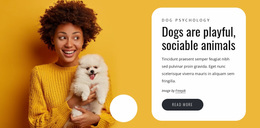
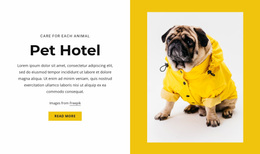
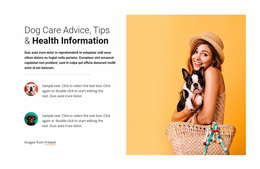
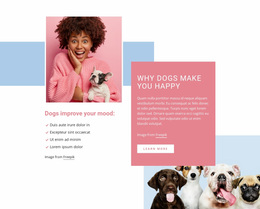
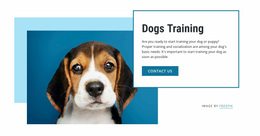
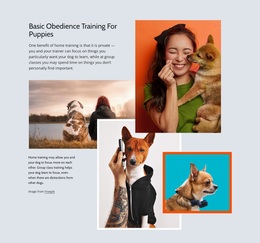
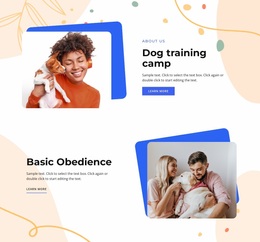
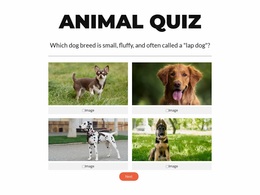
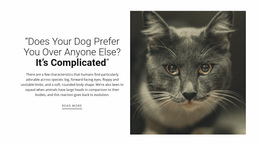
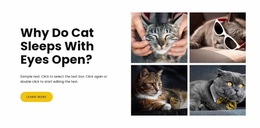
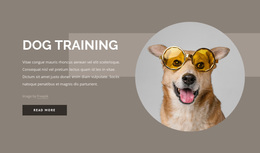
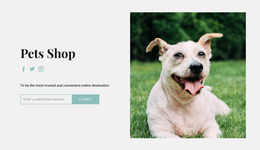
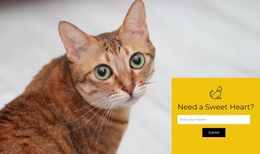
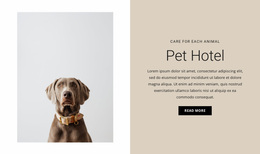
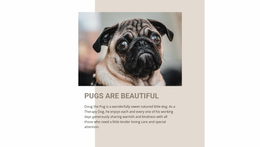
Photography should follow its own rules. Decide when to use portraits versus environmental images, how tightly animals are cropped, whether card images share an aspect ratio, and how text is separated from detailed backgrounds. Whitespace is not empty decoration; it helps distinguish content groups and prevents image-heavy pages from feeling crowded.
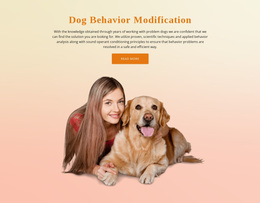
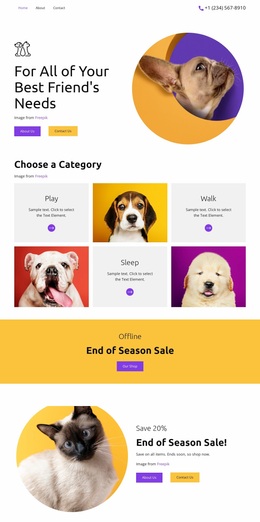
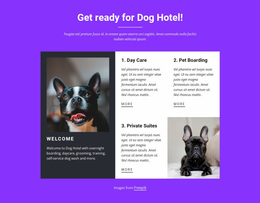
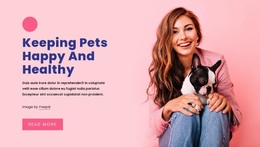
Button hierarchy also needs consistency. A primary appointment, adoption, or inquiry action should look different from a secondary text link, and that relationship should remain stable across pages.
Use Nicepage Features Only Where They Support the System
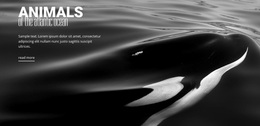
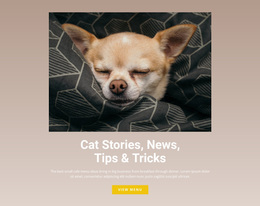
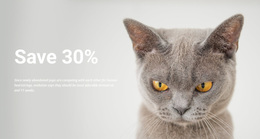
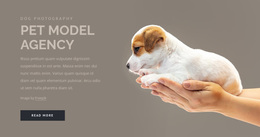
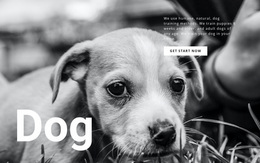
A Multi-Layer Background can help keep text readable over photography through shading, masking, or opacity control. Nicepage documents the Multi-Layer Background workflow for Blocks, Boxes, Grid Cells, and Grid Repeater Items.
Animation can be used selectively, but it should not become the visual identity by itself. The website animation options cover display, hover, and scroll-related effects; use them only when they clarify interaction or emphasis.
Edit Mobile Views is more important than adding more effects. Check whether animal faces remain visible after crop changes, whether heading lines become awkward, whether cards still have enough breathing room, and whether primary and secondary actions remain distinguishable on small screens.
Website Design vs Homepage Design
Homepage Design focuses on the sequence and routing of the site's first page: hero, proof, featured content, and the next step.
Website Design defines the visual language that should be consistent throughout the entire project.
A strong site should therefore look related even when a visitor moves from the homepage to a profile, service, resource, or contact page.
Website Design Questions for Animal Brands
How can an animal website stay visually consistent across different page types?
Define reusable rules for typography levels, spacing, image crops, color usage, card treatment, and primary versus secondary actions. Apply those rules to profiles, services, resources, and contact pages rather than redesigning each page individually.
How should photography differ between a shelter and a veterinary clinic?
A shelter may rely more on close animal portraits and emotional storytelling, while a clinic may need a calmer mix of staff, facility, and care imagery. In both cases, crop consistency and text readability should be deliberate.
How can I keep text readable over a strong animal photo?
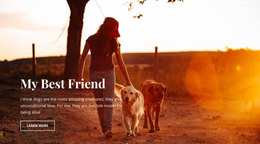
Use sufficient contrast and, when appropriate, a layered background treatment with shading, masking, or opacity. Also reconsider the image crop and text placement rather than relying on an overlay alone.
Check Consistency Across Real Pages
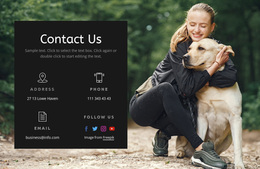
Review several representative screens together: one service page, one animal profile, one resource page, and the Contact page. If typography, spacing, photography, and action hierarchy remain coherent across all four, the website design is functioning as a system rather than a collection of isolated effects.