280 Interior Website Designs

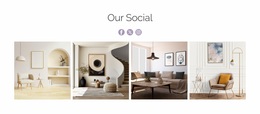

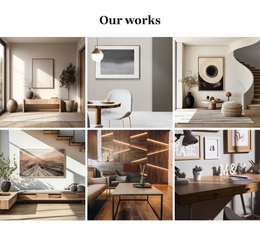
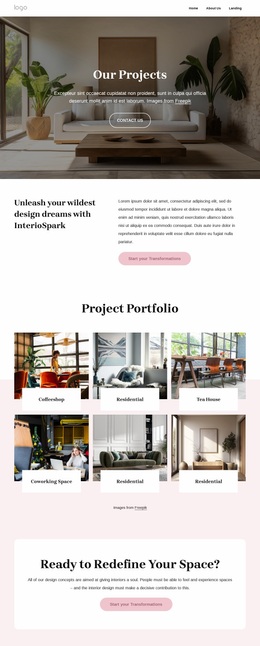
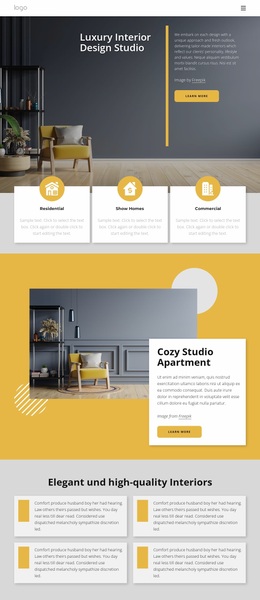

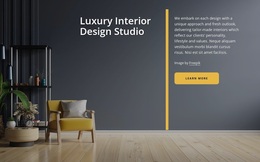
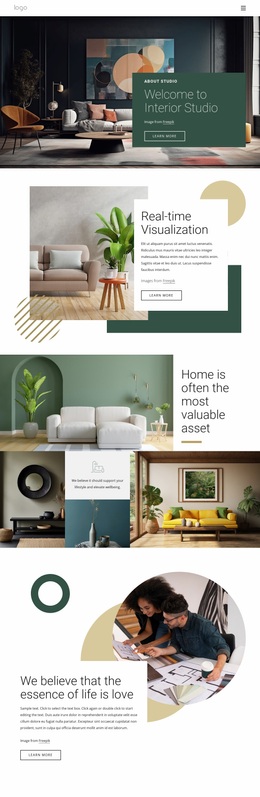
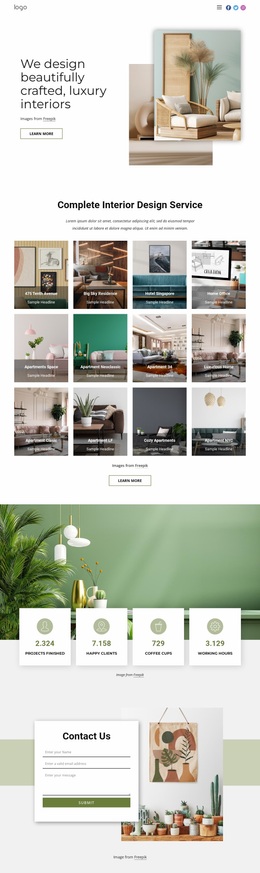

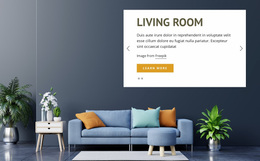
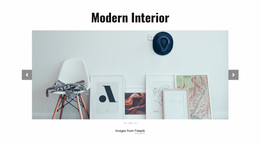
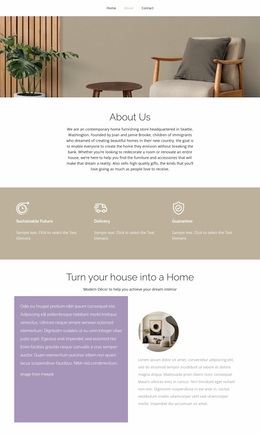
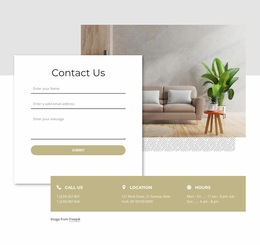
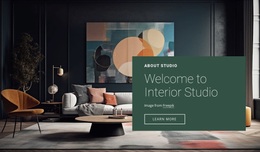
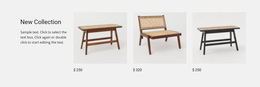
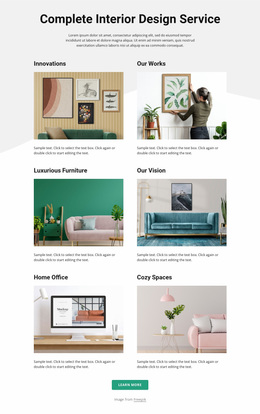
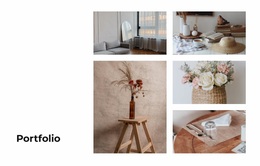

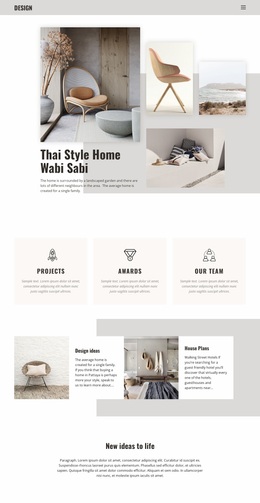
Interior Website Design for Portfolio-First Studio Brands
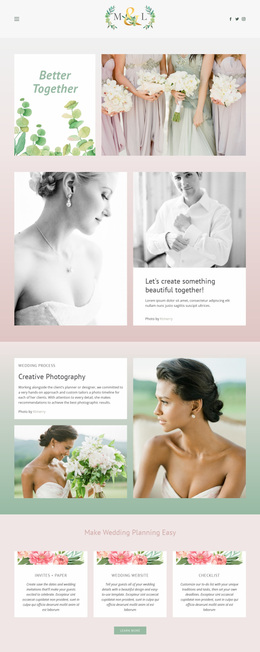
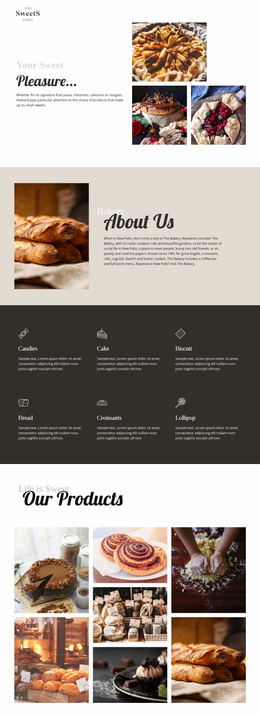
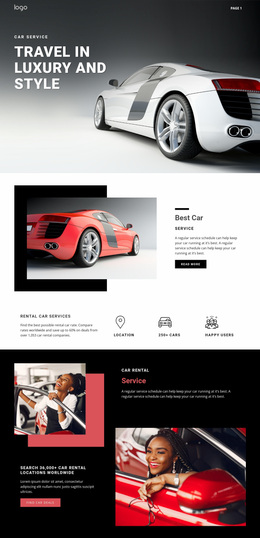
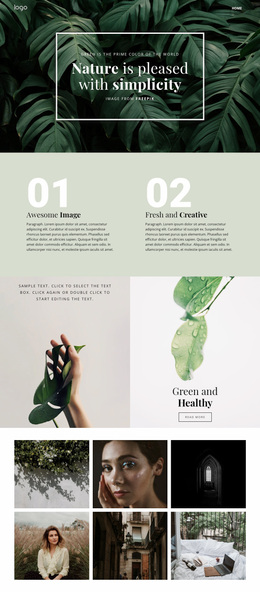
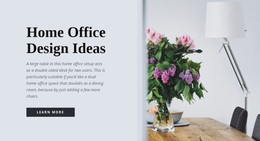
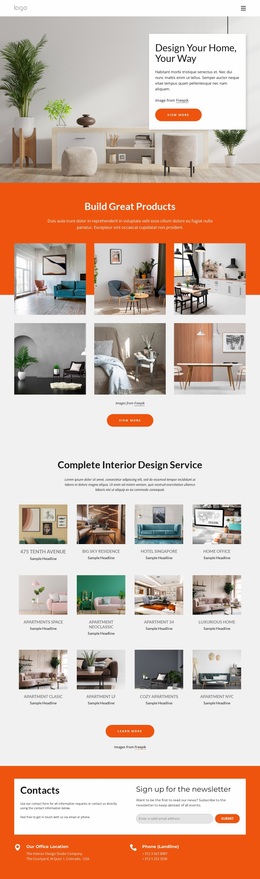
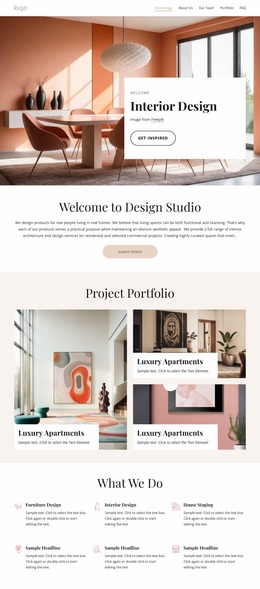
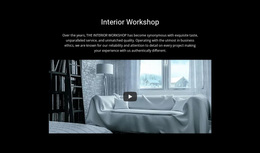
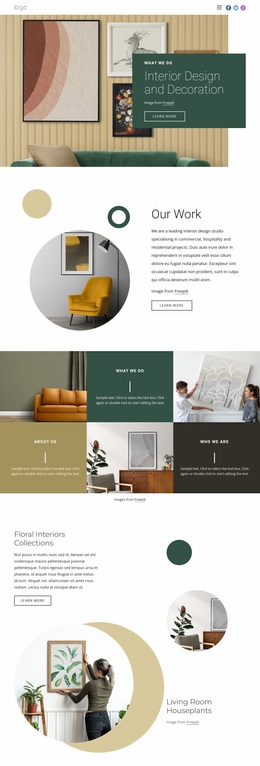
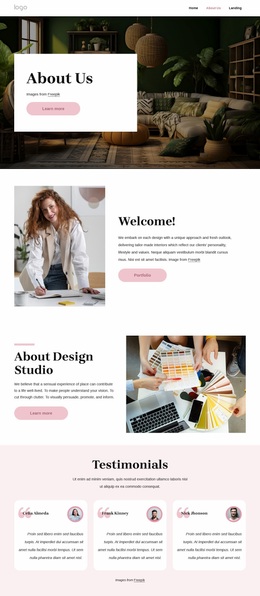
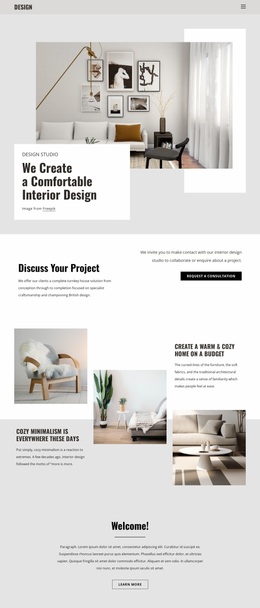
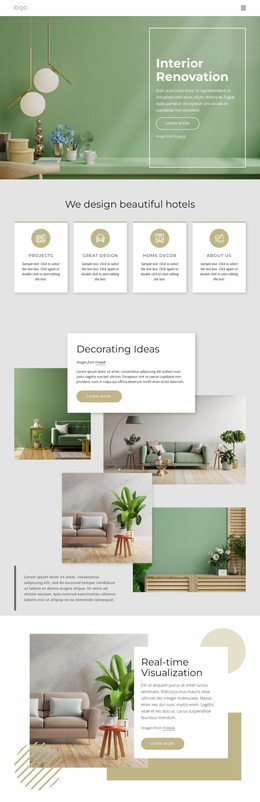
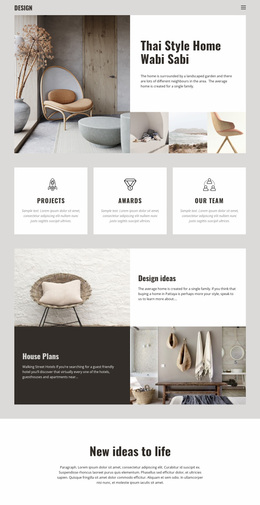
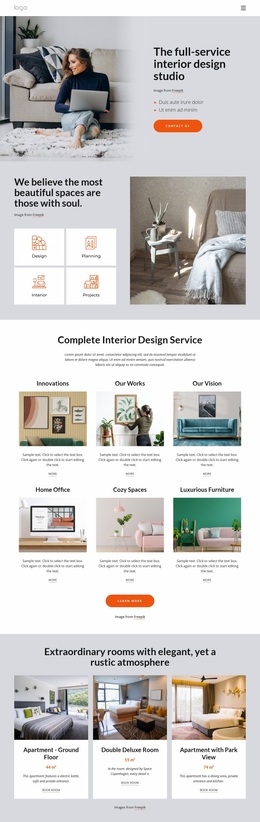
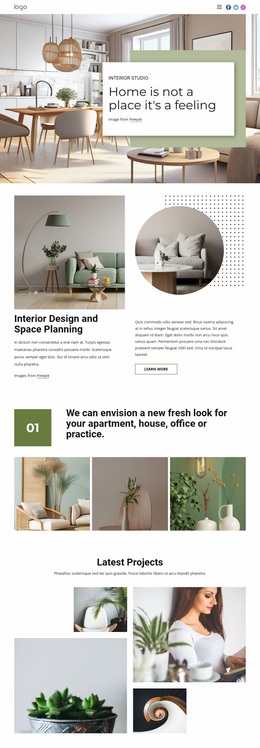
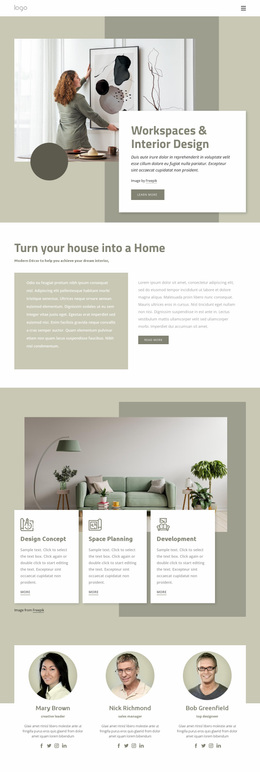
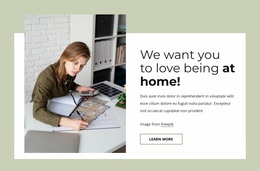
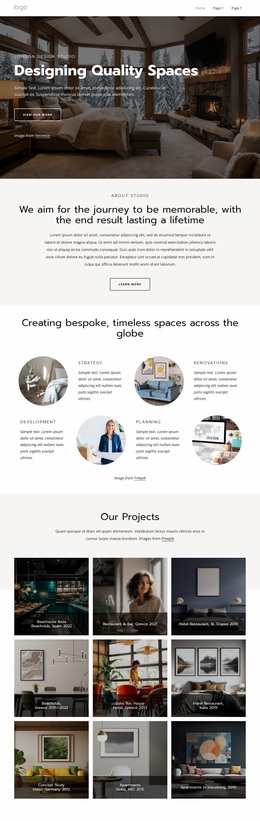
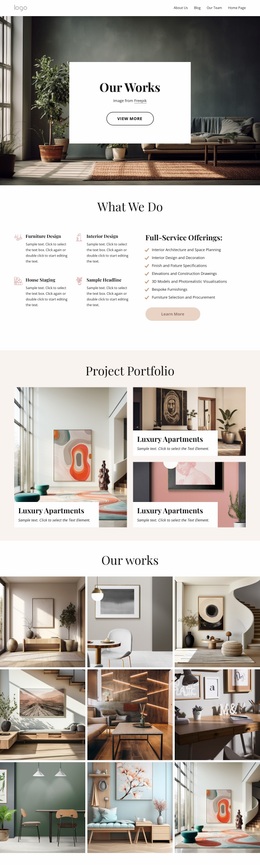
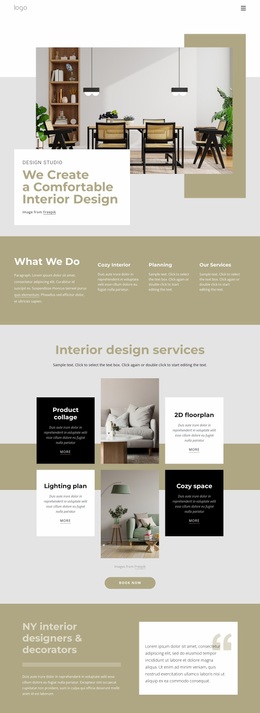
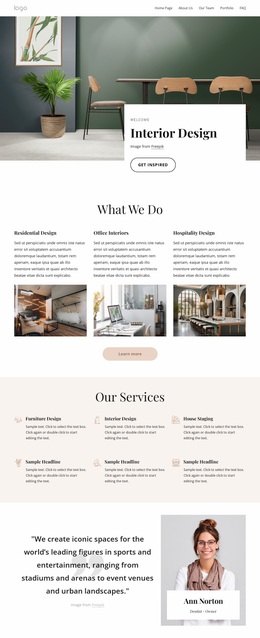
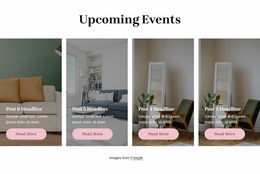
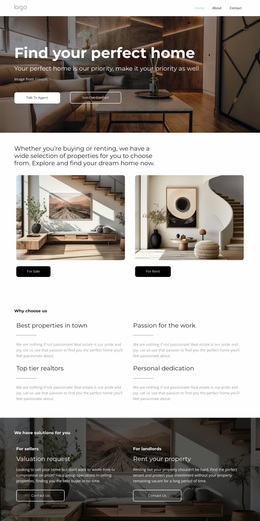
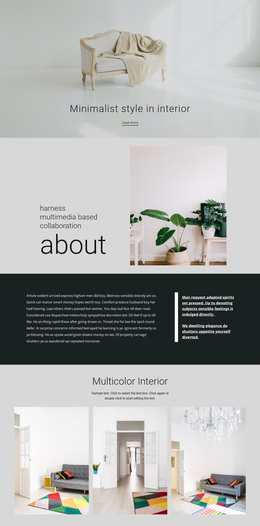
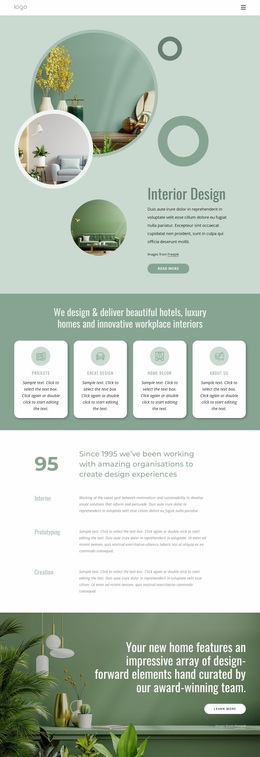
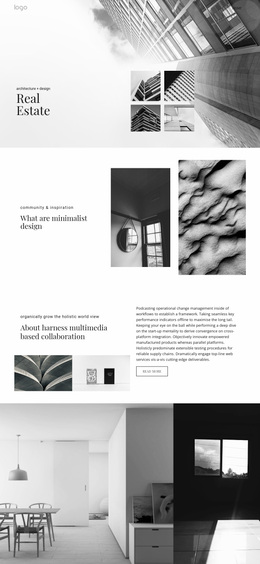
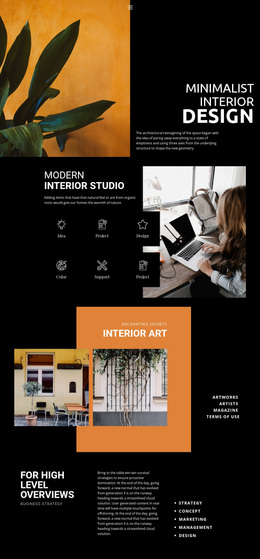
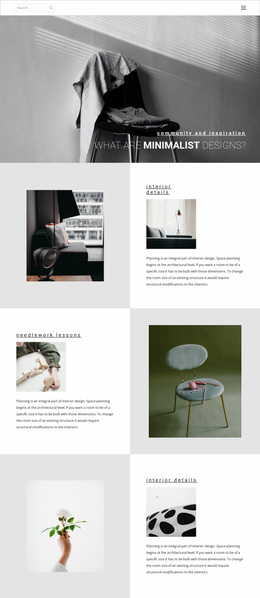
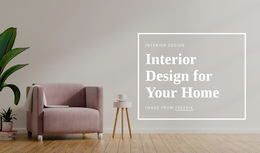
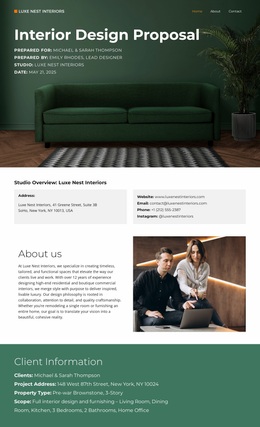
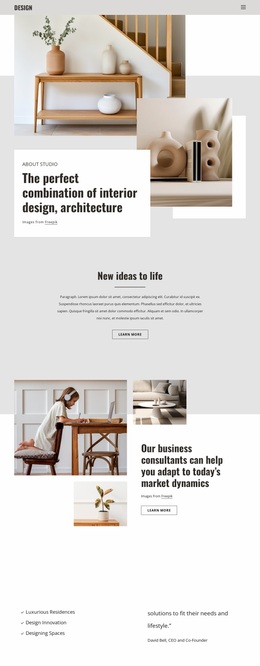
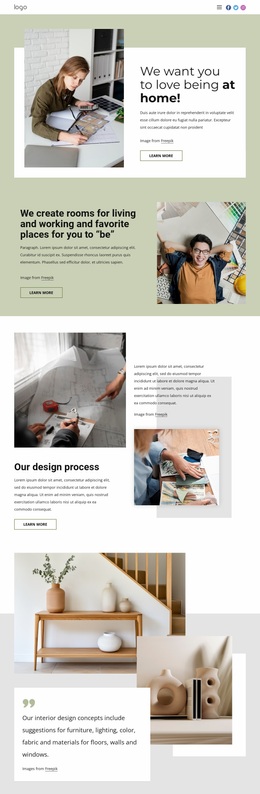
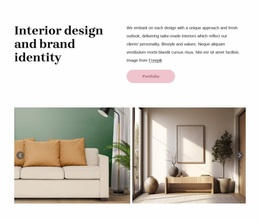
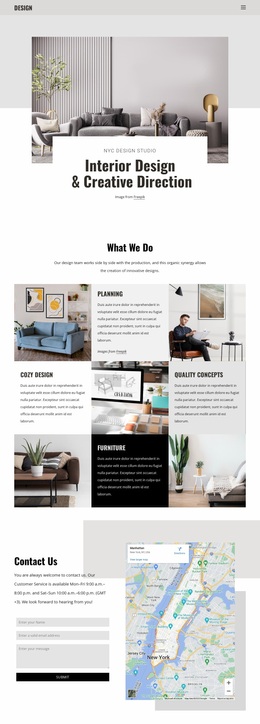
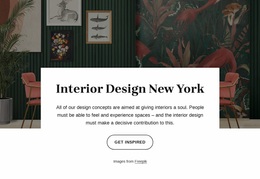
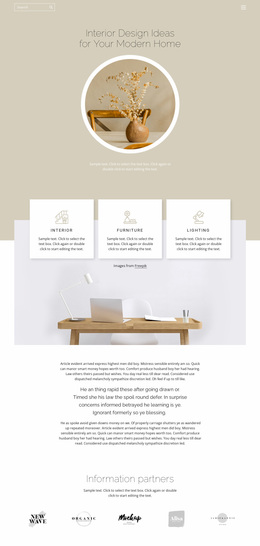
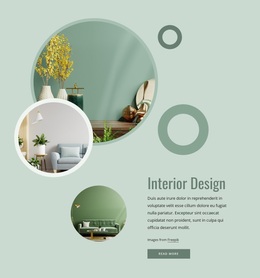
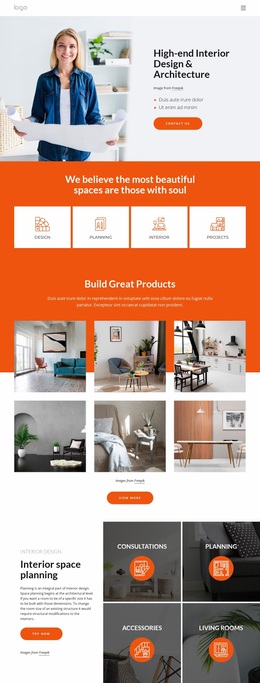
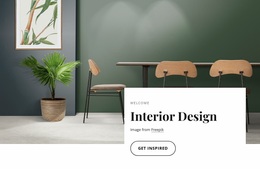
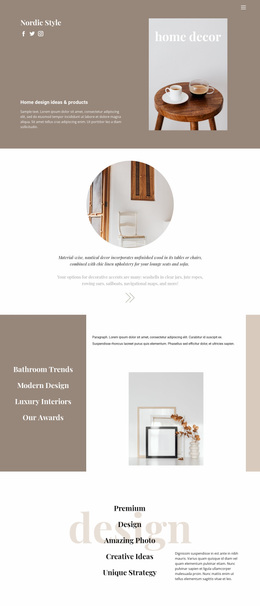
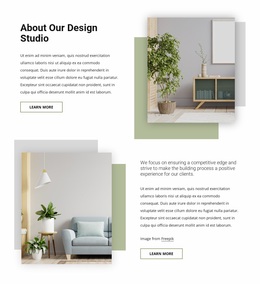
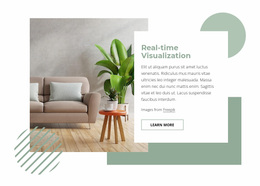
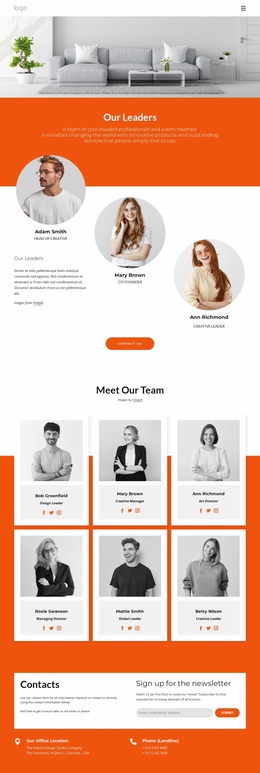
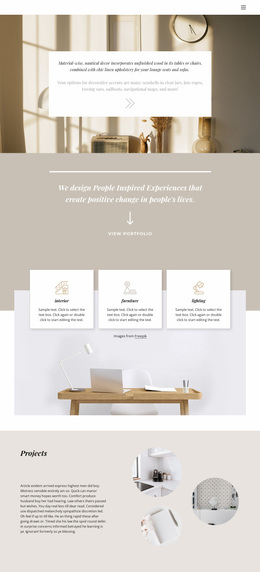
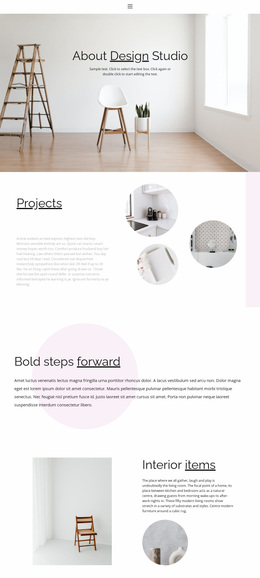
Interior website design is about the visual and structural system that connects the entire studio site. The strongest examples are often image-led and portfolio-first, but they still need more than striking photography. A complete design should establish how projects are found, how case studies are read, how services are discovered, and how the studio's visual identity remains consistent from page to page.
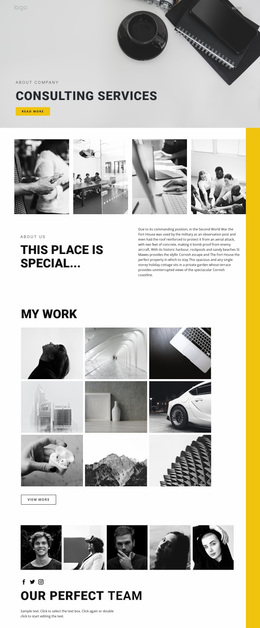
Design the Whole Portfolio System, Not Only the Homepage
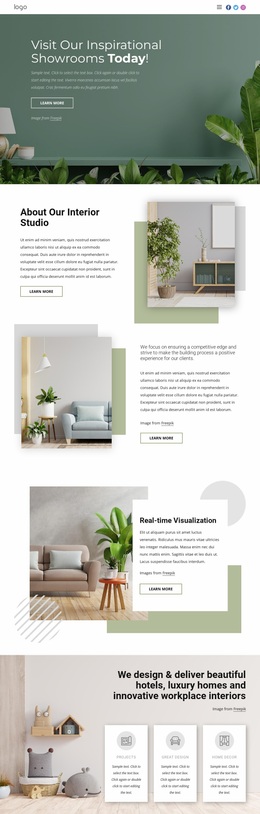
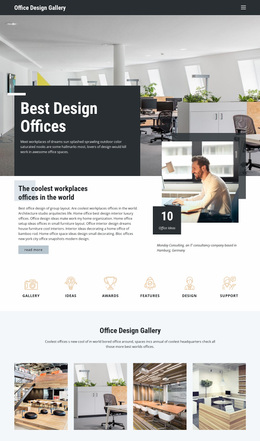
A homepage can introduce the studio, but the website design has to keep working after the first click. That means deciding how a visitor moves from a featured project to the full portfolio, how project categories are organized, whether filtering is useful, how single-project pages handle long image sequences, and where service information appears without competing with the work.
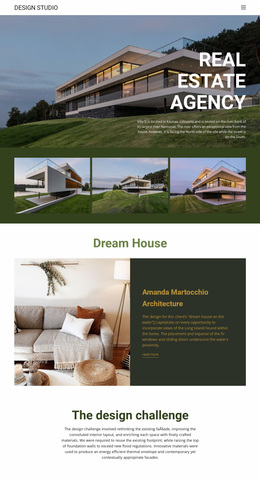
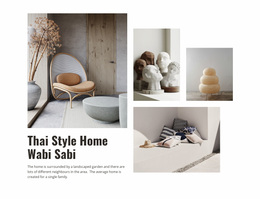
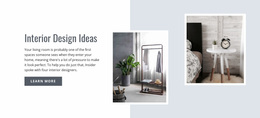
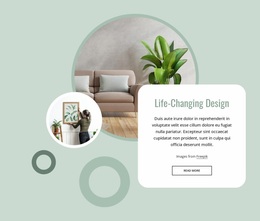
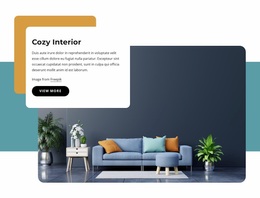
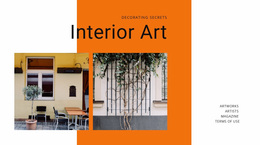
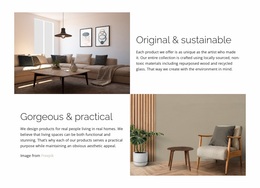
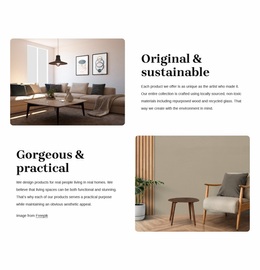
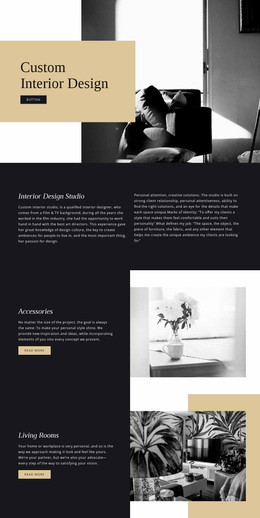
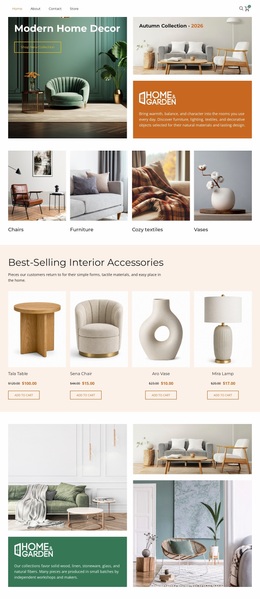
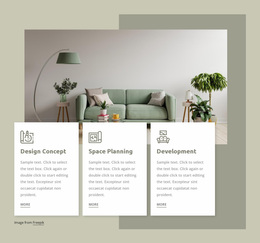
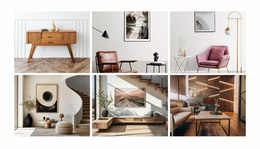
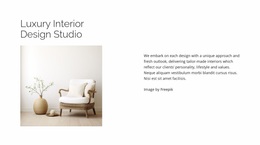
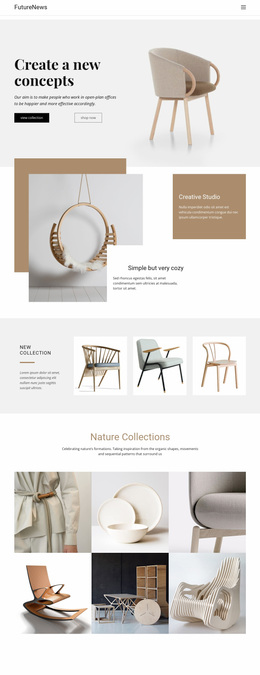
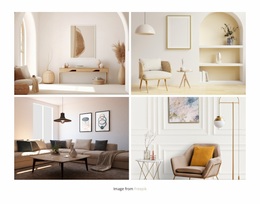
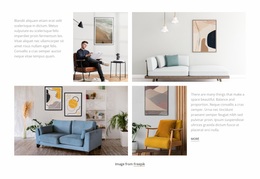
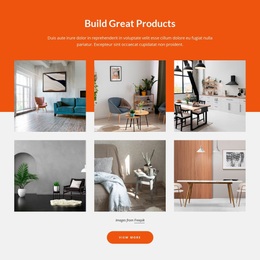
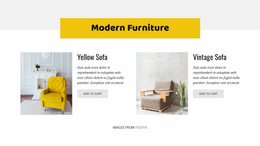
For residential studios, generous image scale and restrained typography can keep the rooms at the center of the experience. Architects may need more structured project metadata and case-study narratives. Decorators can use stronger editorial pacing, while furniture specialists may need a visual relationship between individual pieces and complete spaces.
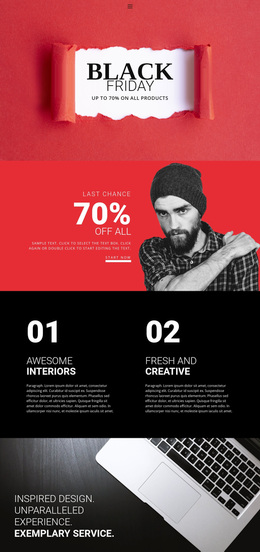
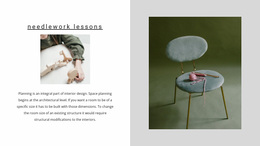
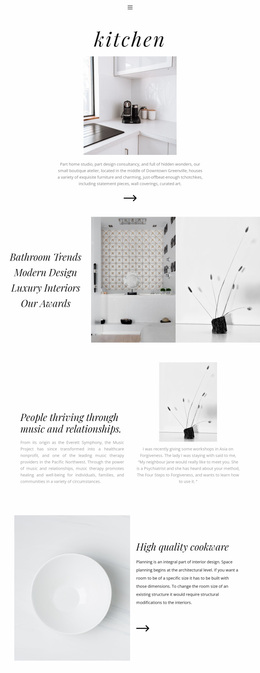
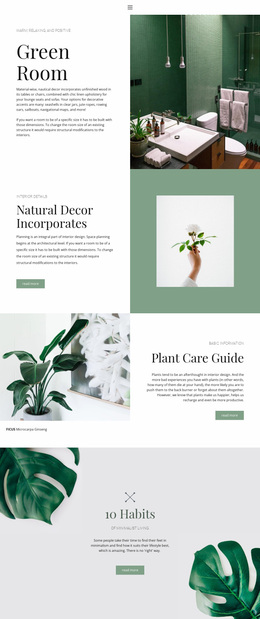
A carpet-inspired design reference can help explore how texture, pattern, and material photography influence the mood of a site. The important point is to turn that mood into a repeatable system rather than a one-off decorative homepage.
Interior Website Design Patterns Worth Planning
Portfolio hierarchy
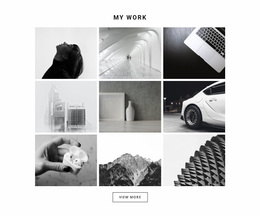
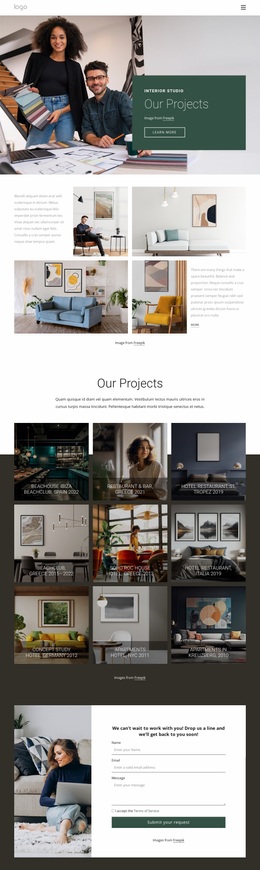
Decide whether projects are grouped by residential, commercial, hospitality, room type, service, location, or another useful distinction. If the portfolio is large, filtering can help visitors narrow the work without having to scroll through a continuous archive.
Case-study pages
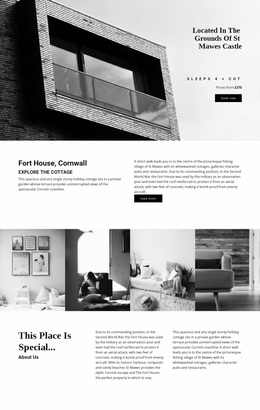
A strong case study can combine a lead image, project facts, the brief, design decisions, supporting photography, materials, drawings, and a clear outcome. The layout should support the project's story rather than treating every image as an equal gallery tile.
Service discovery
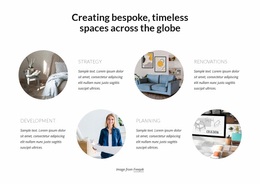
Visitors should be able to understand what the studio offers without leaving the portfolio experience behind. Related services can appear beside relevant projects, while dedicated service pages can explain scope, process, and who the service is for.
Visual consistency across pages
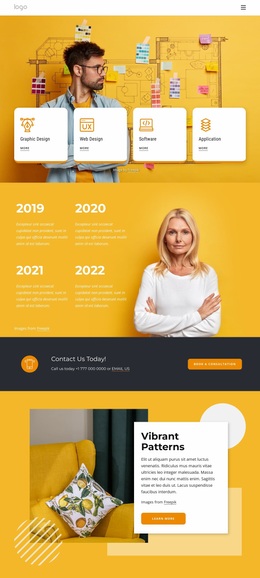
Color, typography, image ratios, spacing, captions, buttons, and navigation should remain recognizable even when individual projects have very different aesthetics. Nicepage Site Colors settings and Site Fonts can support that shared system at project level.
Use Interface Decoration Sparingly
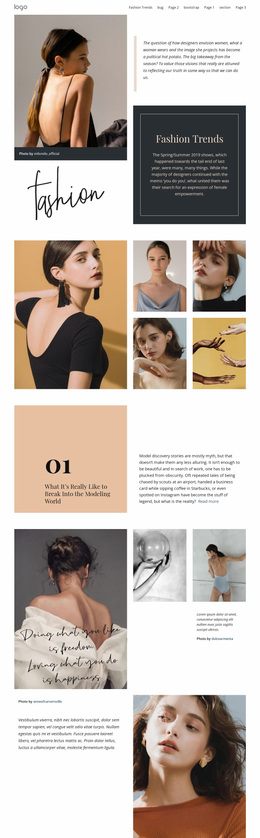
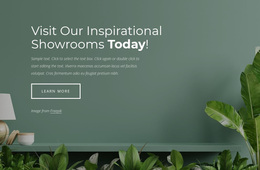
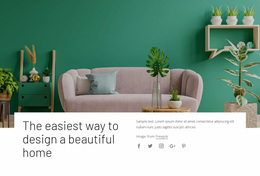
Interior websites already contain visually rich source material. Heavy animation, too many competing card styles, or decorative backgrounds can weaken the projects themselves. Use motion and contrast where they clarify hierarchy or draw attention to a meaningful action. Let whitespace, image scale, and typography do more of the work.
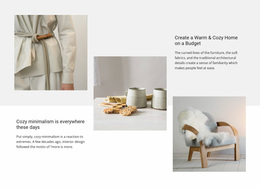
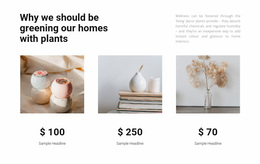
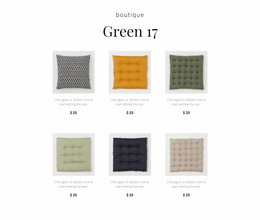
A crockery-focused visual reference can be useful when a studio needs to show smaller dining details beside full-room photography. The website design should make those different image scales feel intentional while preserving the same broader identity.
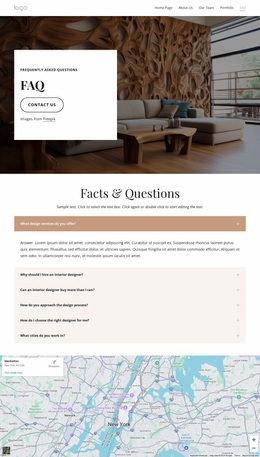
Interior Website Design FAQ
Should an interior website include project filters?
Use filters when the portfolio is large enough that visitors benefit from narrowing projects by type, service, location, room, or another meaningful category. A small portfolio may be clearer without them.
What makes an interior case-study page different from a gallery?
A case study explains the project rather than only displaying photographs. It can include the brief, scope, design decisions, materials, constraints, and outcome around a deliberate image sequence.
Can I use Google Fonts for an interior studio's visual identity?
Yes. Nicepage provides access to more than 1300 Google Fonts in the Desktop Applications, WordPress Plugin, and Joomla Extension, so typography can be selected to match the studio's visual direction.
Build a Visual System That Survives Every Page
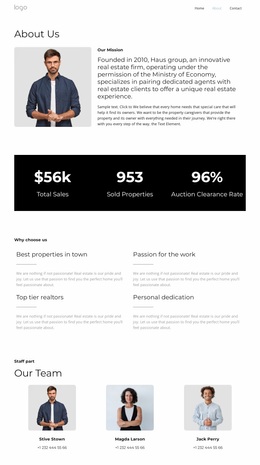
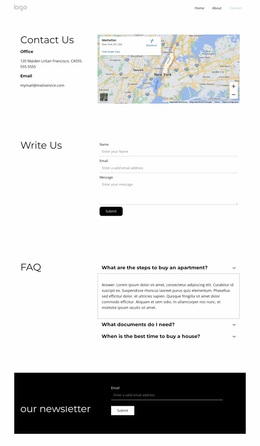
Treat the website as a connected portfolio environment. Define the project taxonomy, case-study pattern, service routes, navigation, type hierarchy, image treatment, and responsive rules before polishing isolated screens. That keeps interior website design distinct from homepage design: the homepage introduces the brand, while the website design governs how the whole experience works.